Macau: Portuguese heritage and the city of the future
Churches, temples, casinos, and contemporary architecture coexist in Macau, a city in China’s Pearl River Delta that is evolving while preserving its identity.
Some destinations begin to reveal themselves long before the first trip. Literature often opens that door: books such as Bora Bora, by journalist and writer Alberto Vázquez-Figueroa, fuel a fascination with the Pacific islands, which retain something of an imagined world even after a visit.
French Polynesia has 118 islands spread across five archipelagos: the Society Islands, the Tuamotus, the Marquesas, the Austral Islands, and the Gambier Islands. The last two are particularly appealing to travelers seeking authenticity, who appreciate charming, if somewhat rustic, accommodations and can spend a few days without Wi-Fi.
Arriving in Bora Bora is an experience in itself. The runway occupies a narrow strip of land, with water on both sides, and the lagoon’s crystal-clear waters come into view as soon as passengers step off the plane. It is a first impression that is hard to forget.
Bora Bora is an essential stop. Although it is the most iconic and frequently visited island, it retains a special charm. Many of its overwater bungalows have views of Mount Otemanu, the volcano rising at the island’s center.
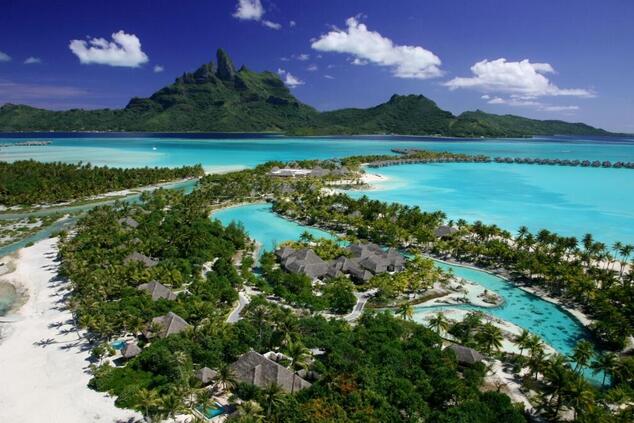
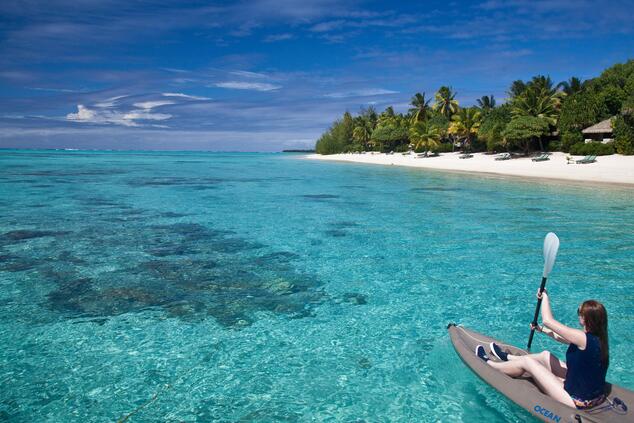
Combining Bora Bora with Taha’a, known as the vanilla island, adds a different landscape and a different rhythm to the trip.
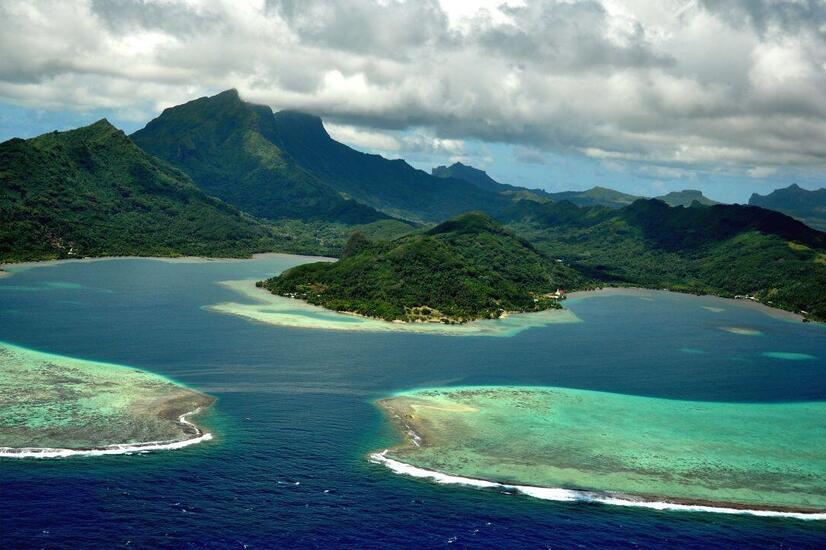
The route can also be taken in reverse, starting in Taha’a. Among the ways to reach Bora Bora, a private helicopter flight stands out: flying over the vanilla island before approaching Bora Bora’s lagoon makes the transfer a memorable part of the journey.
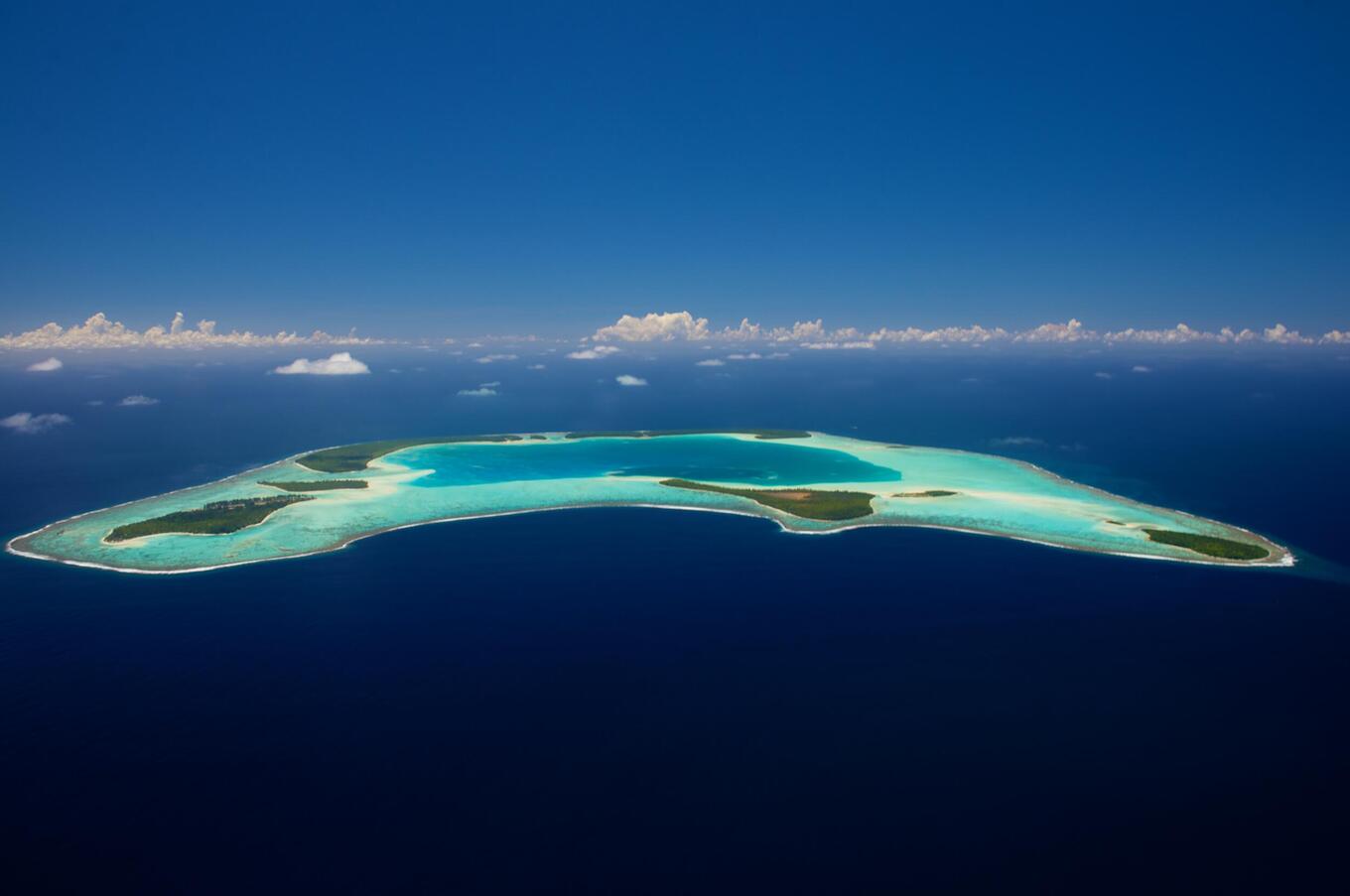
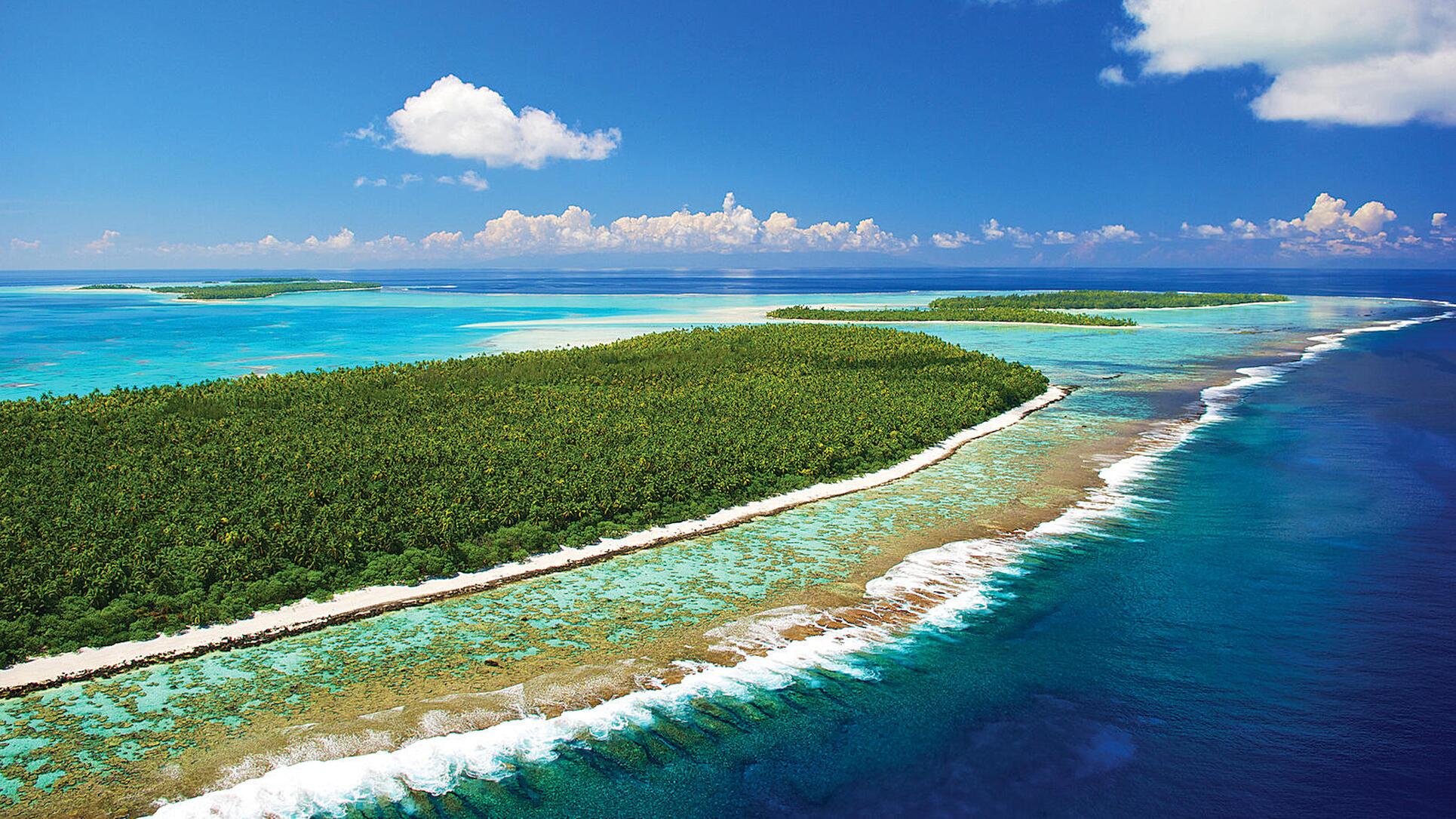
To round out the itinerary, the atolls of the Tuamotu archipelago offer a different perspective. Rangiroa, Tikehau, Manihi, and Fakarava leave the mountains and volcanoes behind, opening onto landscapes with little to interrupt the view of the horizon.
In the Society Islands, volcanoes and high mountains make it possible to combine crystal-clear waters with ATV rides, off-road excursions, hiking, or horseback riding, as on Raiatea. In the Tuamotus, by contrast, everything happens at sea level. Life and activities revolve around the ocean.
This is where the celebrated pearl farms are found, and getting around means traveling by motorcycle, bicycle, or boat.
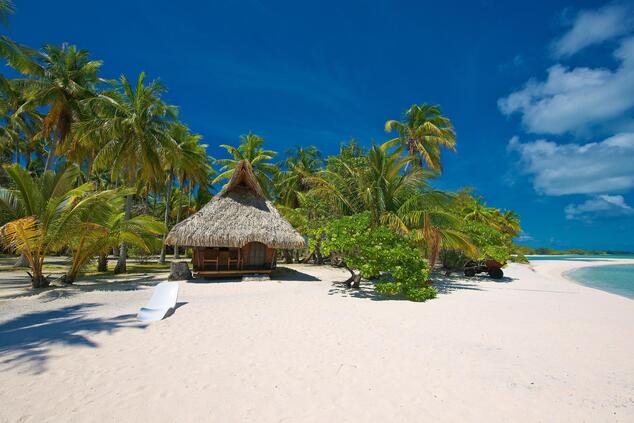
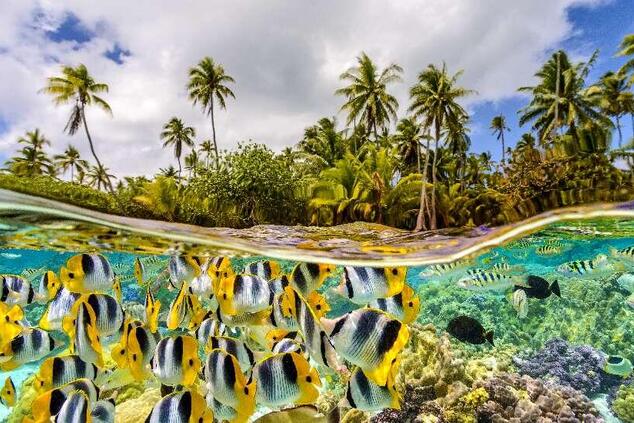
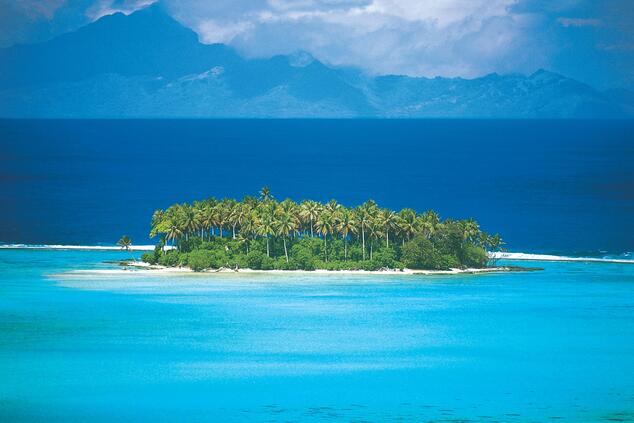
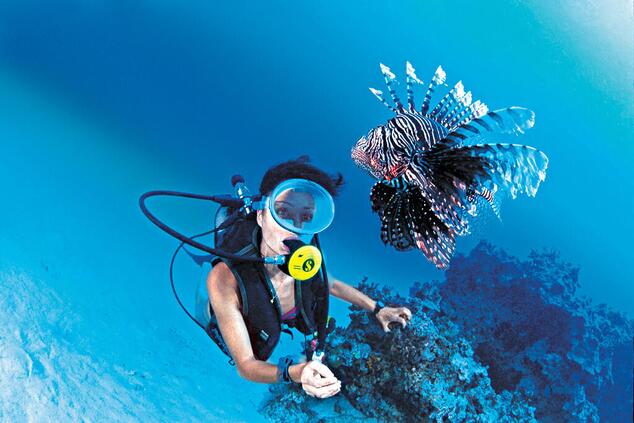
One of Rangiroa’s most distinctive experiences is watching dolphins at Tiputa Pass. At around five in the afternoon, the changing currents offer the chance to see them leap over the waves, sometimes from a bench on the beach.
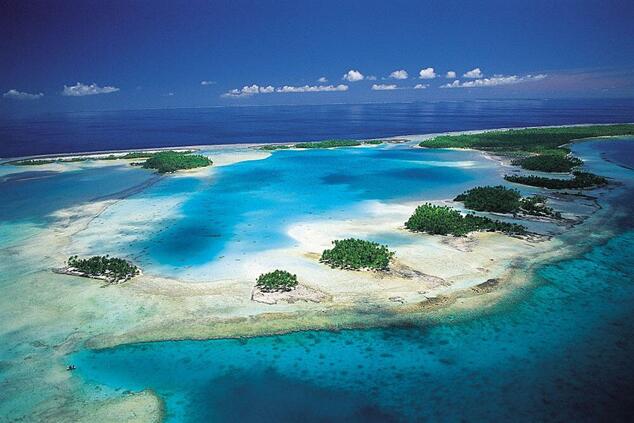
The same atoll is home to the Blue Lagoon, another of its major attractions. Its beaches, accessible only by boat, offer time for walks and for enjoying a secluded landscape. Excursions may include a day of fishing and a meal cooked by the guide on a beach barbecue.
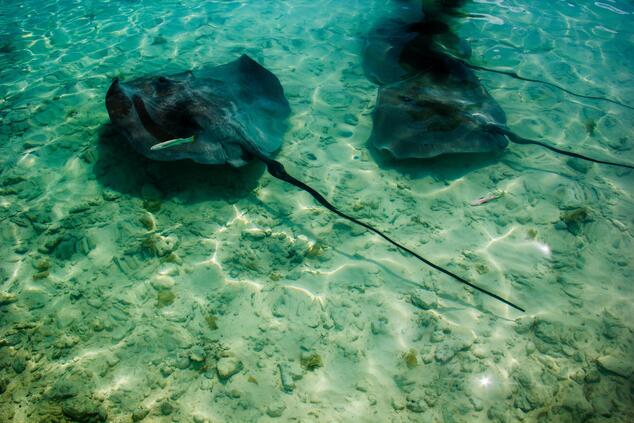
The presence of small sharks in the shallows adds intensity to the experience. On the return journey, a stop in the middle of the lagoon offers a chance to swim and snorkel, although the appearance of larger sharks can change the perspective of the encounter. With dozens of sharks around two meters long in the water, the boat’s deck offers another way to observe and photograph the scene.
For a longer trip exploring Māori culture, Paul Gauguin, or Jacques Brel, the Marquesas are an essential stop. Their cliffs and rock formations recall the Hawaiian Islands, although with less infrastructure and more untouched landscapes.
The Marquesas Islands have attracted numerous artists and intellectuals in search of exotic, authentic nature. Among them were the writers Robert Louis Stevenson and Jack London, and the painter Paul Gauguin, whose remains lie in Atuona, the capital of Hiva Oa, the archipelago’s second-largest island.
Before them, the American writer Herman Melville had brought the Marquesas into literature.
The author of Moby Dick arrived in 1842, the same year France took possession of the archipelago. He was traveling aboard a whaling ship and looking for an opportunity to escape his confinement at sea. He left the ship with a friend and ended up among the Taipi, one of the cannibal tribes of the South Seas.
He stayed with them for a month, until the Indigenous people sold him to another whaling ship. Melville thus became one of the first intellectuals drawn to the beauty and authenticity of this paradise on Earth.
The archipelago was named by the Spaniard Álvaro de Mendaña, who arrived on the islands in 1595 and called them “Islas Marquesas de Mendoza” in honor of the then viceroy of Peru, García Hurtado de Mendoza y Manríquez, marquis of Cañete.
Reducing a trip to French Polynesia to a beach vacation leaves out much of its richness. The colors of the sea and sky, the intense fragrance of flowers, and conversations with local people reveal a destination that extends far beyond its landscapes. Distance takes on a different meaning when the islands cease to be an image and become a familiar place.