The Genghis Khan Retreat: Mongolia's timeless past
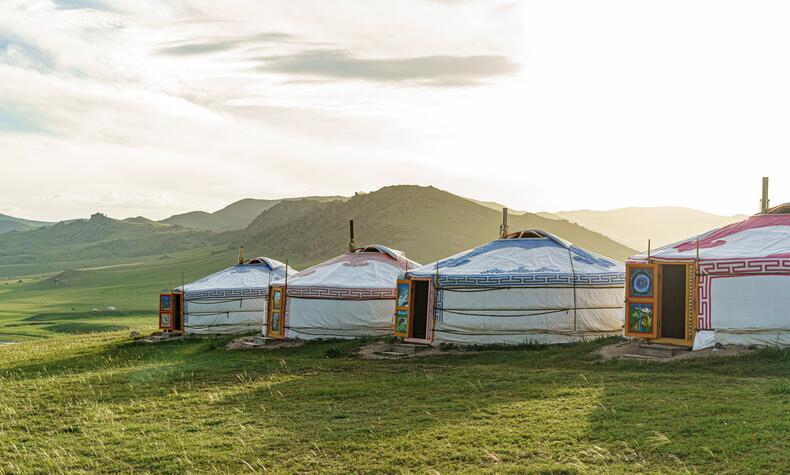
In the heart of the Asian steppe, the Genghis Khan Retreat is a timeless refuge surrounded by silence and spaces that stretch as far as the eye can see.
Before becoming one of Asia’s most recognizable cities for its casinos and monumental architecture, Macau was one of the major meeting points between China and Europe. Its modern history began in the 16th century, when the Portuguese established a trading post here at the mouth of the Pearl River.
The location was exceptional. From Macau, maritime routes connected southern China with Japan, Southeast Asia, India and, through the Portuguese network, Europe. Silk, porcelain, spices, and silver passed through its docks, but so did people, knowledge, navigation techniques, religious ideas, and architectural styles that would ultimately leave a much deeper mark than the purely commercial one.
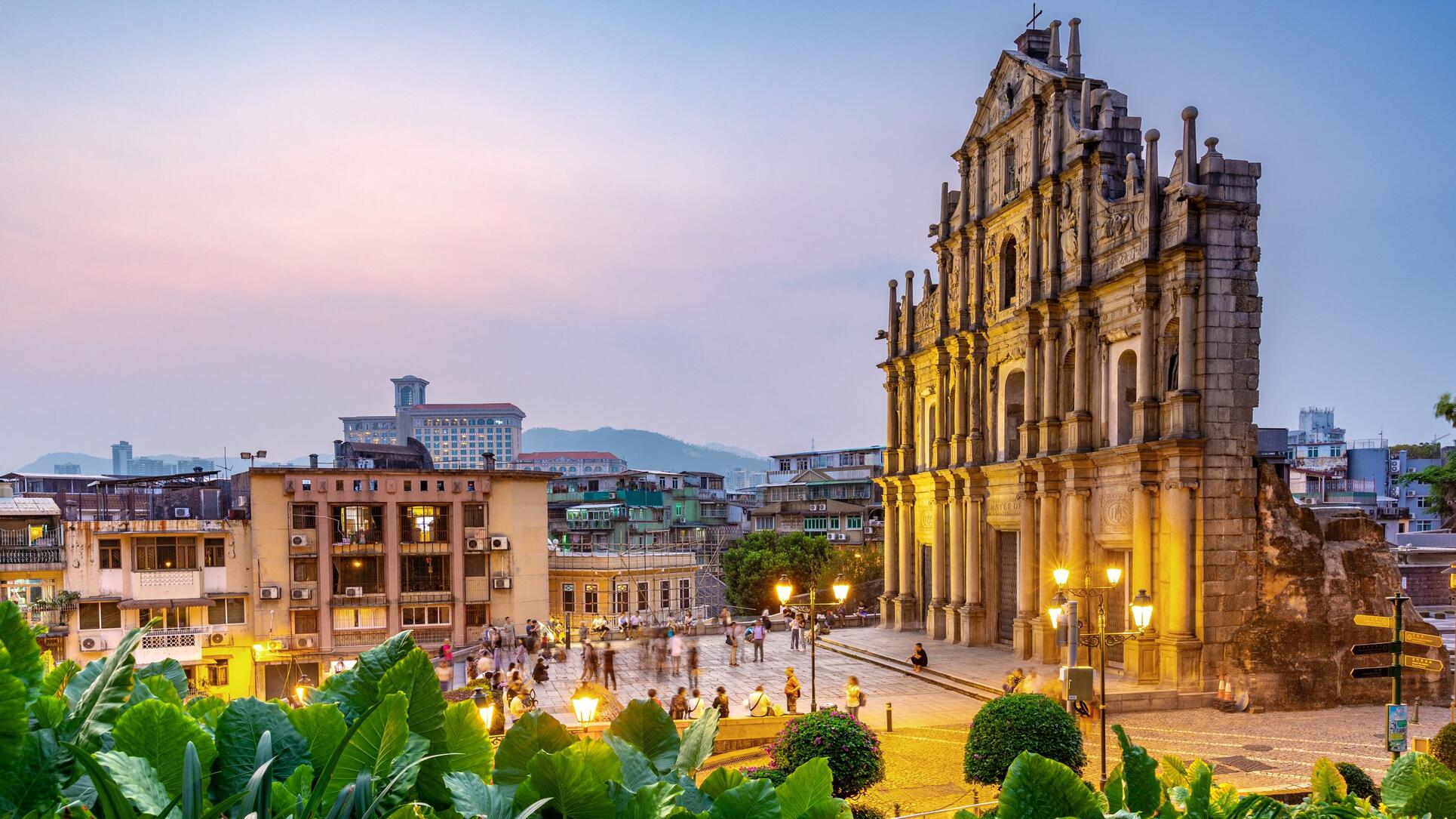
This exchange explains much of the city’s current landscape. The Ruins of St Paul’s, one of Macau’s symbols, were part of the former St Paul’s College and the Church of Our Lady of the Immaculate Conception, built by the Jesuits in the early 17th century. Of that complex, only the large stone façade survived the fire of 1835, but its ornamentation continues to reflect the cultural blend that characterized the city: Christian iconography interpreted by Asian artisans and decorative elements that would hardly have appeared in the same way in a European church.
Nearby, squares paved with Portuguese stone, administrative buildings, Catholic churches, and light-colored houses coexist with Chinese temples and neighborhoods that reflect a different urban tradition. The different layers of Macau’s history overlapped within an extremely small territory.
Macau’s distinctive character stems from its Portuguese buildings within China and the culture that developed over centuries of coexistence. The historic center comprises 22 buildings and eight urban spaces that reveal this interplay of religious, architectural, and social influences. UNESCO added it to the World Heritage List in 2005 as a testament to one of the longest-standing encounters between China and the West.
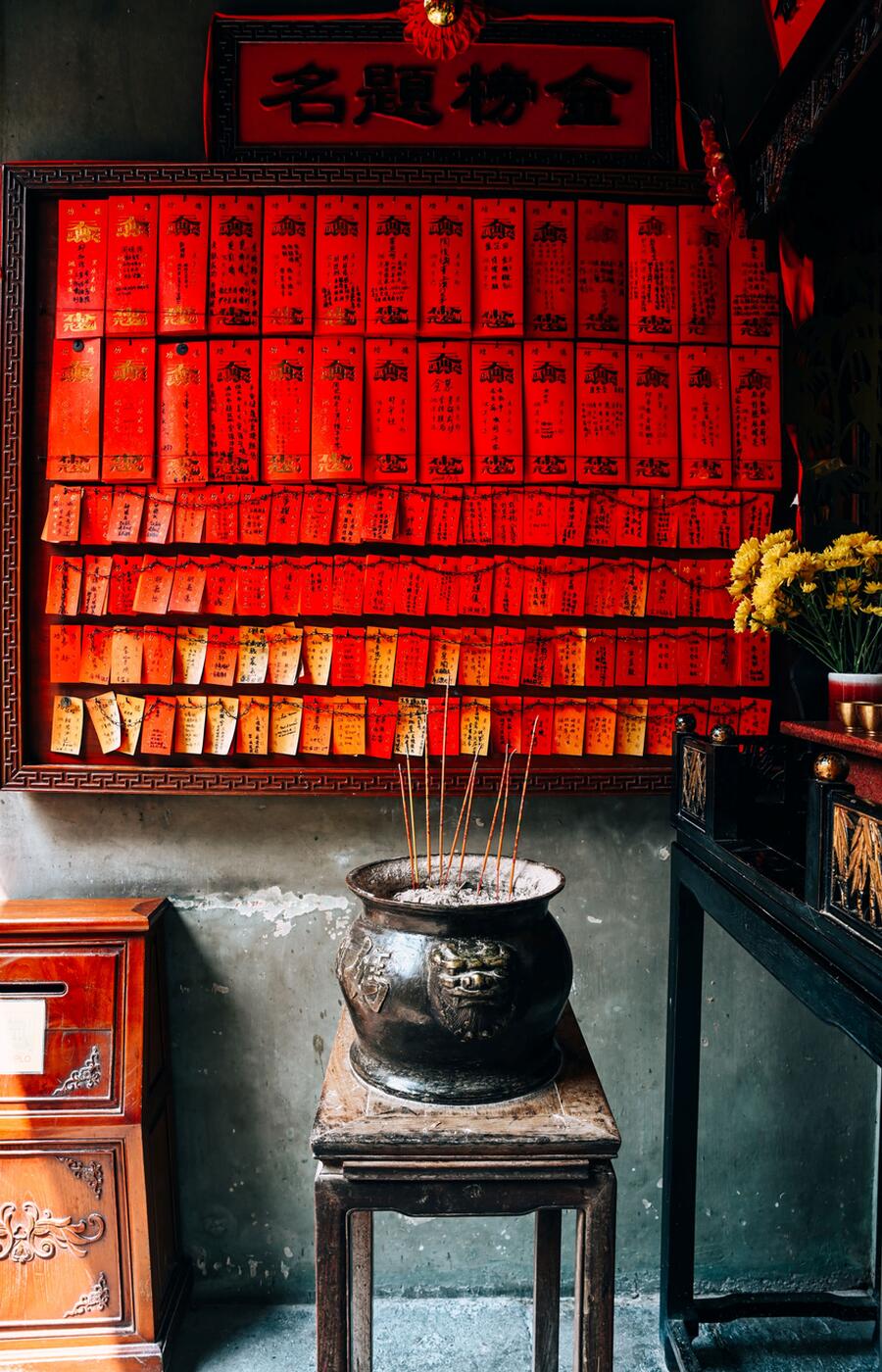
One of the best examples is the A-Ma Temple, which predates the Portuguese settlement itself. The complex features pavilions dedicated to various deities and traditions linked to Confucianism, Taoism, Buddhism, and Chinese folk beliefs. The traditional explanation even links the name “Macau” to this shrine and to the expression “A-Ma-Gau,” meaning A-Ma Bay.
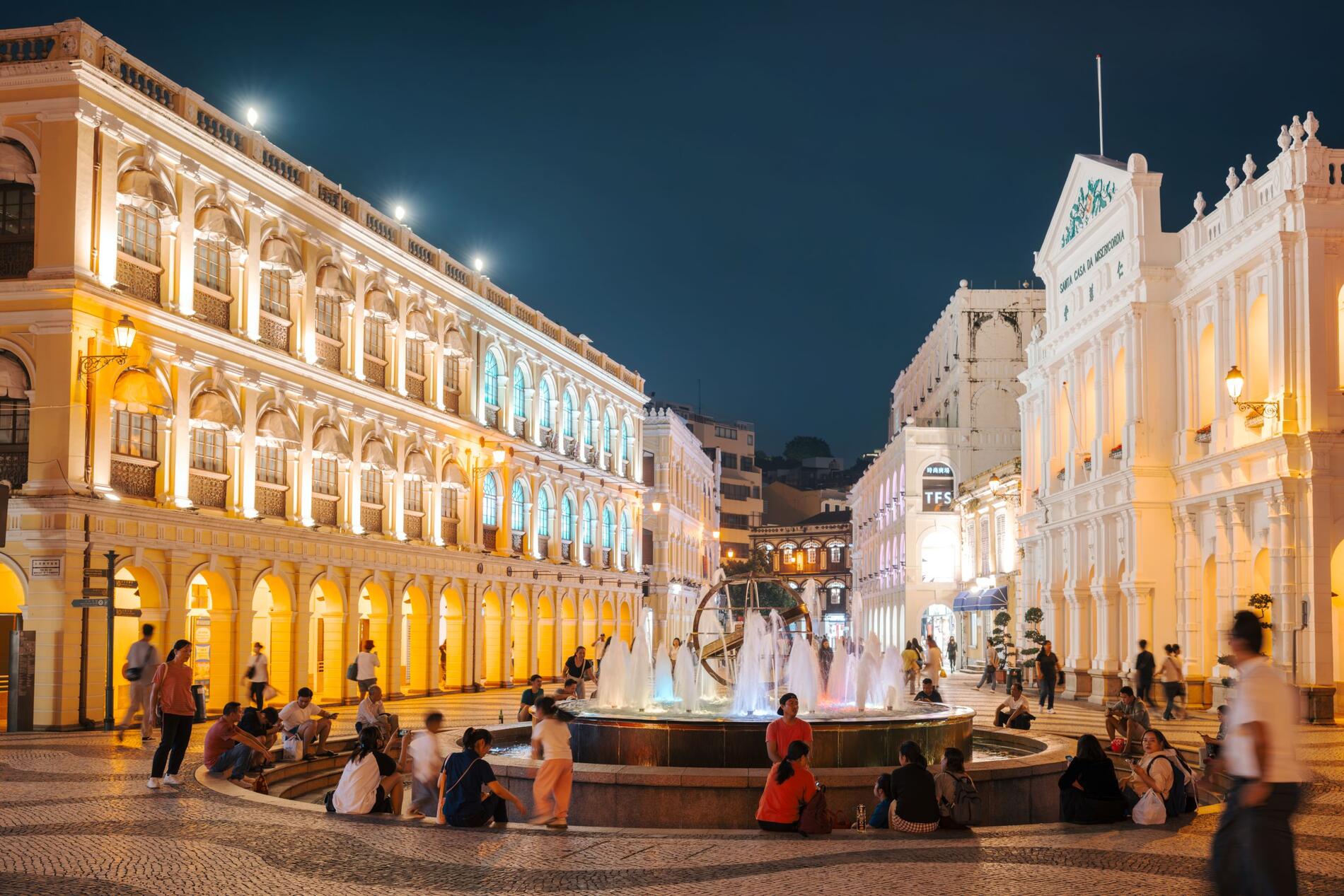
A few kilometers away, Largo do Senado represents another layer of that history. For centuries, it was the city’s main civic space and continues to serve as a venue for public celebrations. Its undulating Portuguese stone pavement, neoclassical buildings, and the Santa Casa da Misericórdia coexist with shopping streets, temples, and Chinese neighborhoods that have always been part of the same urban fabric.
This blend is also evident in less obvious elements. Some Western buildings incorporated Chinese characters and motifs, while certain Asian structures adopted European architectural forms. Macau’s identity took shape through mutual adaptation between cultures, visible in its architecture, religion, cuisine, language, and customs.
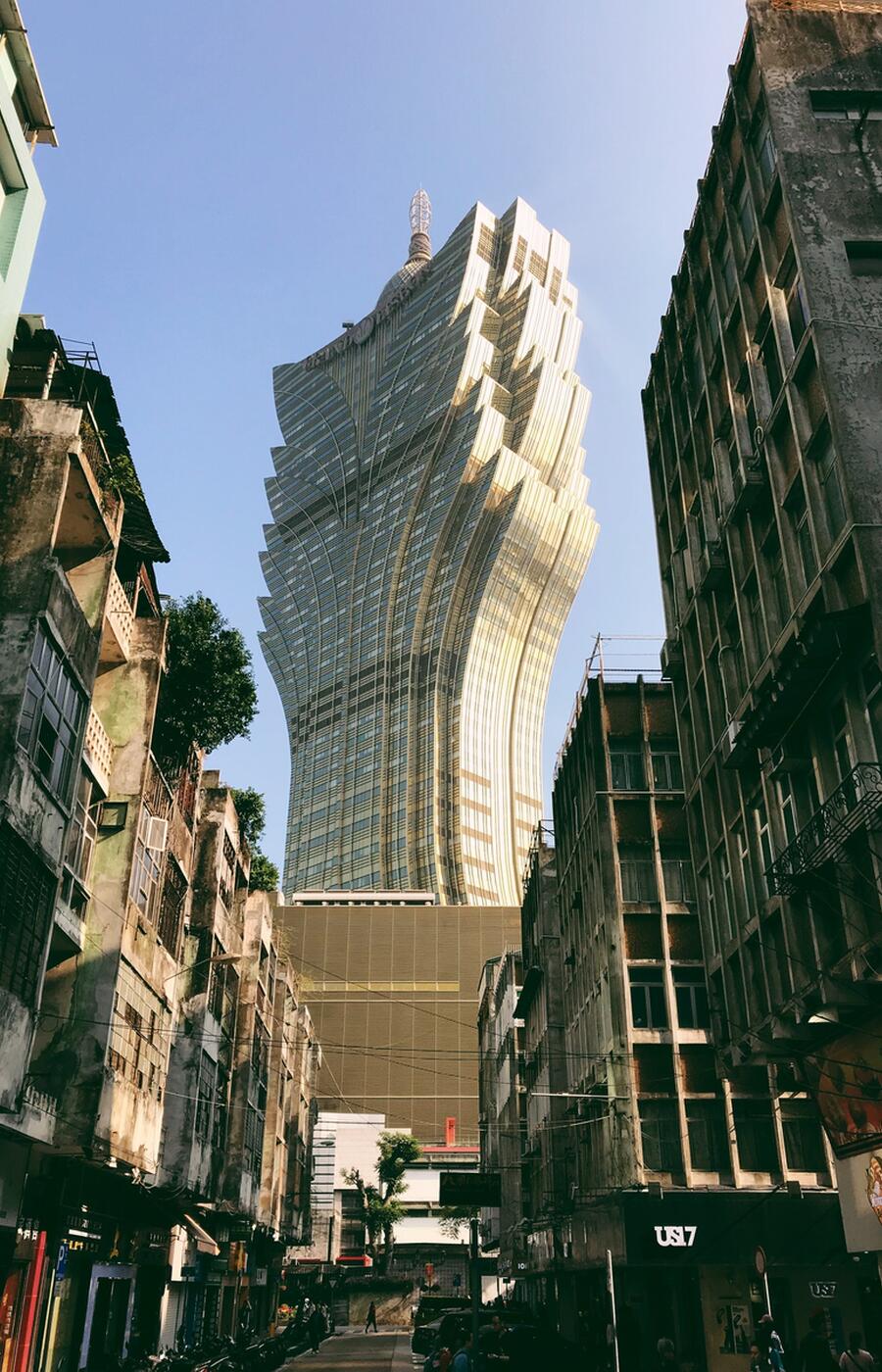
For centuries, Macau thrived on trade and its strategic location in the Pearl River Delta. In the 20th century, gambling came to play a central role in its economy and completely transformed the city’s scale.
Large hotel complexes changed Macau’s urban landscape and, with it, the way people travel to the territory. Today, gastronomy, art, entertainment, and conferences are helping to broaden the city’s appeal beyond its casinos.
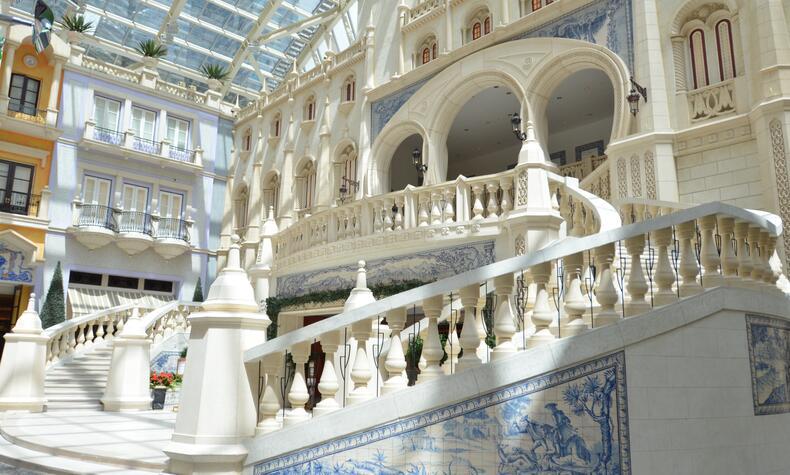
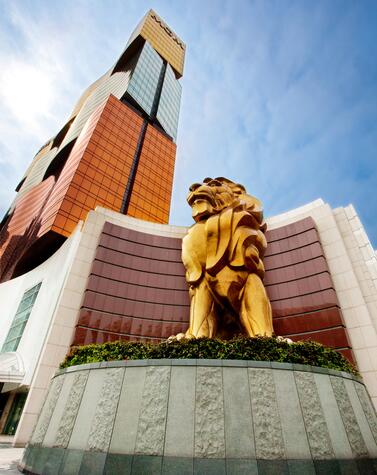
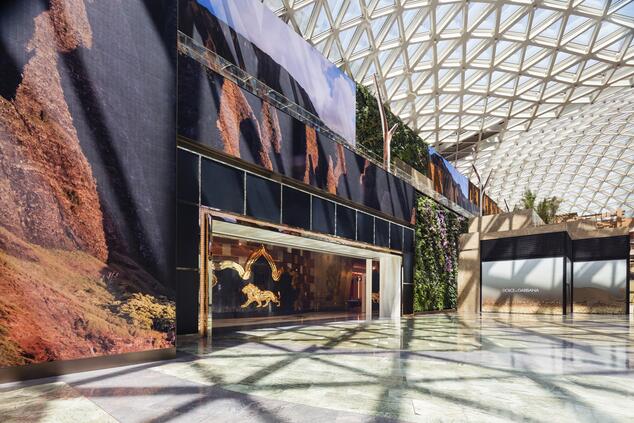
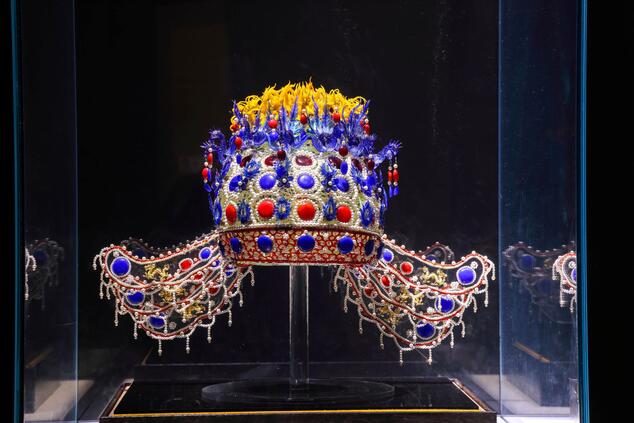
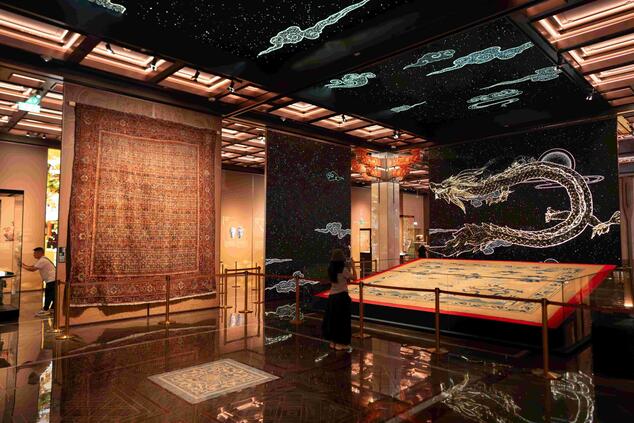
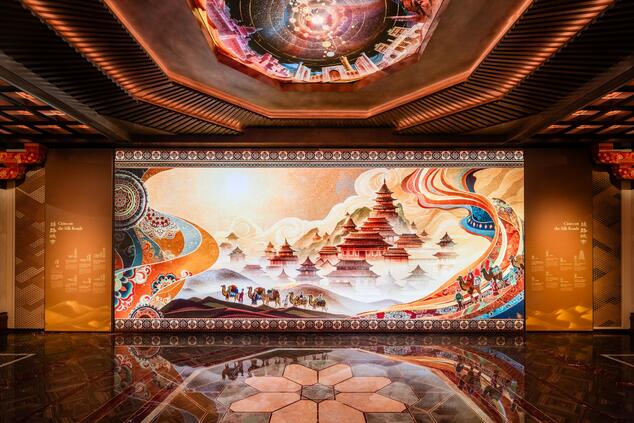
Much of contemporary Macau stands on land reclaimed from the sea. Cotai was created to connect Taipa and Coloane and has become the main focus of the city’s recent growth, with hotel and entertainment complexes designed on a scale completely different from the historic city center.
This new landscape cannot be explained by casinos alone. Art, architecture, gastronomy, entertainment, and technology are all part of a strategy aimed at broadening Macau’s identity and reducing its dependence on gambling. MGM Cotai is a prime example of this evolution, featuring Chinese-inspired artwork, contemporary sculpture, and new technologies integrated into the building’s very layout.
The result is a city that continues to build upon itself layer by layer. Just a few kilometers from churches, temples, and squares inherited from centuries of exchange between China and Portugal, towers, artificial lakes, cable cars, and vast interiors designed as stages have sprung up. Macau thus preserves one of its most enduring characteristics: the ability to absorb influences and transform them into something of its own.
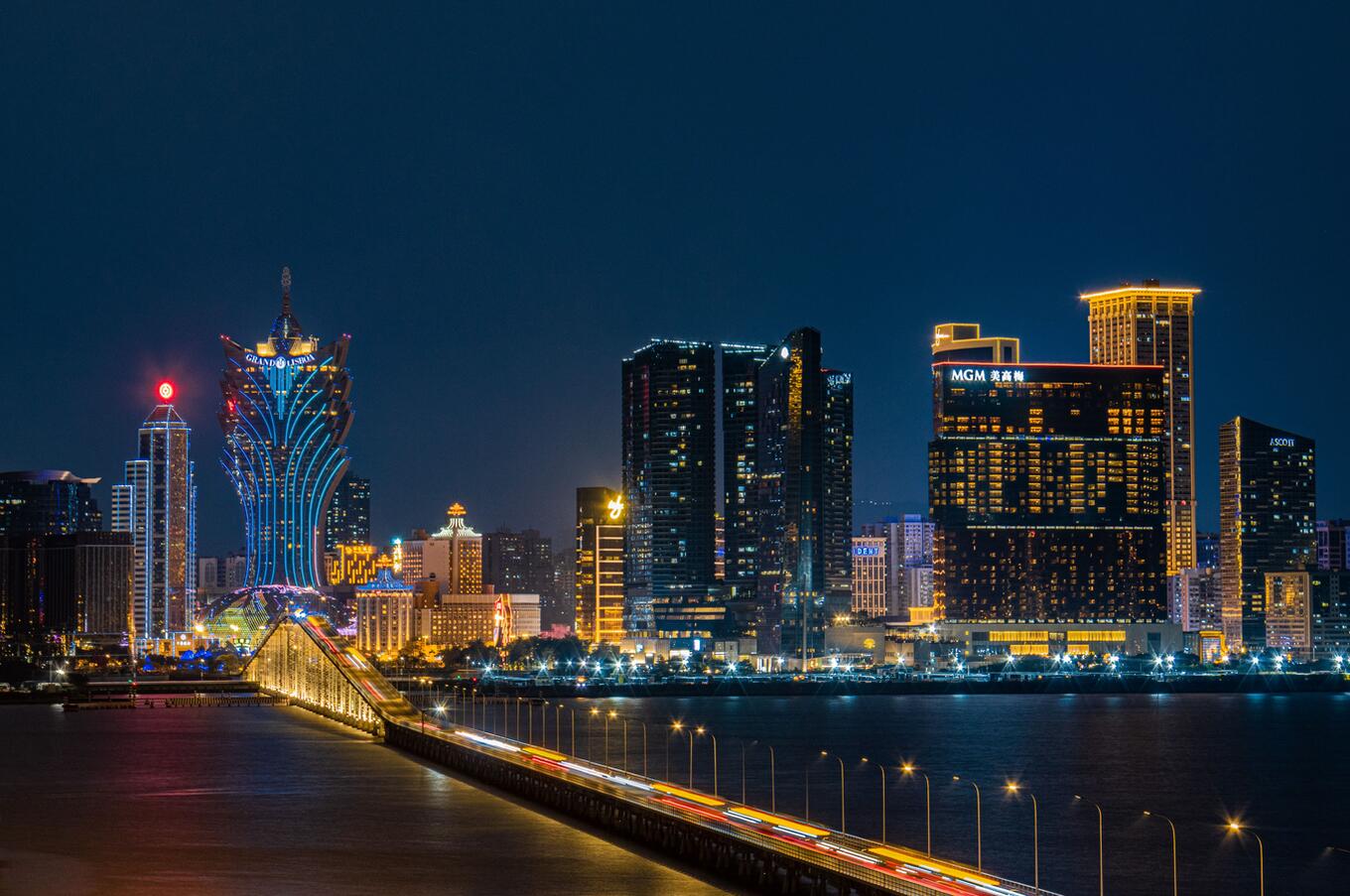
Macau remains difficult to reduce to a single image. Its Portuguese history, Chinese culture, the prevalence of gambling, and contemporary architecture coexist in a small territory where each era has left a visible layer.
Its uniqueness lies precisely in this layering: temples that predate the arrival of Europeans, Portuguese-style squares, hotels that function like cities, and new cultural spaces that seek to expand the narrative. Macau continues to transform while still revealing, at every turn, traces of what it once was.