The Genghis Khan Retreat: Mongolia's Timeless Past
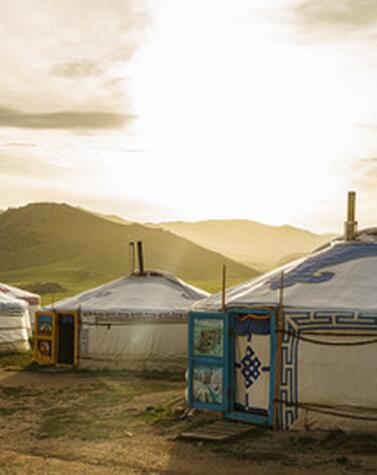
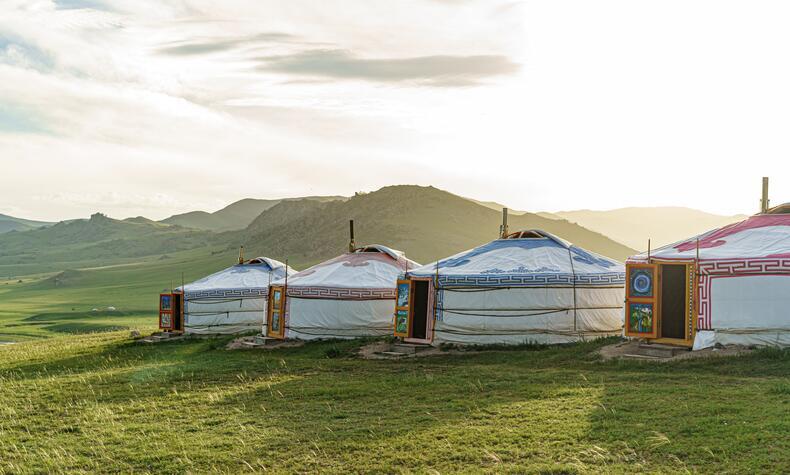
Deep in the Mongolian steppe, the Genghis Khan Retreat offers a timeless refuge of silence, wide-open space, and some of the world’s finest horsemen.
In the far north of the planet, where the coordinates are diluted and the very idea of civilization seems to vanish, lies Greenland. An immense, almost mythological island, which carries a name that does not correspond to it. Erik the Red called it Grœnland, or Green Land, to tempt others to colonize these icy shores. Today, that irony persists as a gateway to the impossible.
Greenland is not green. Or rather, it is, but only briefly along its fringes, when the coastal summer thaws the ice and the tundra bursts into tiny botanical miracles. Deeper inland, a colossal ice sheet blankets more than 80% of the land. A white continent hidden within an island. A mirror of our past, and a warning of what we stand to lose.
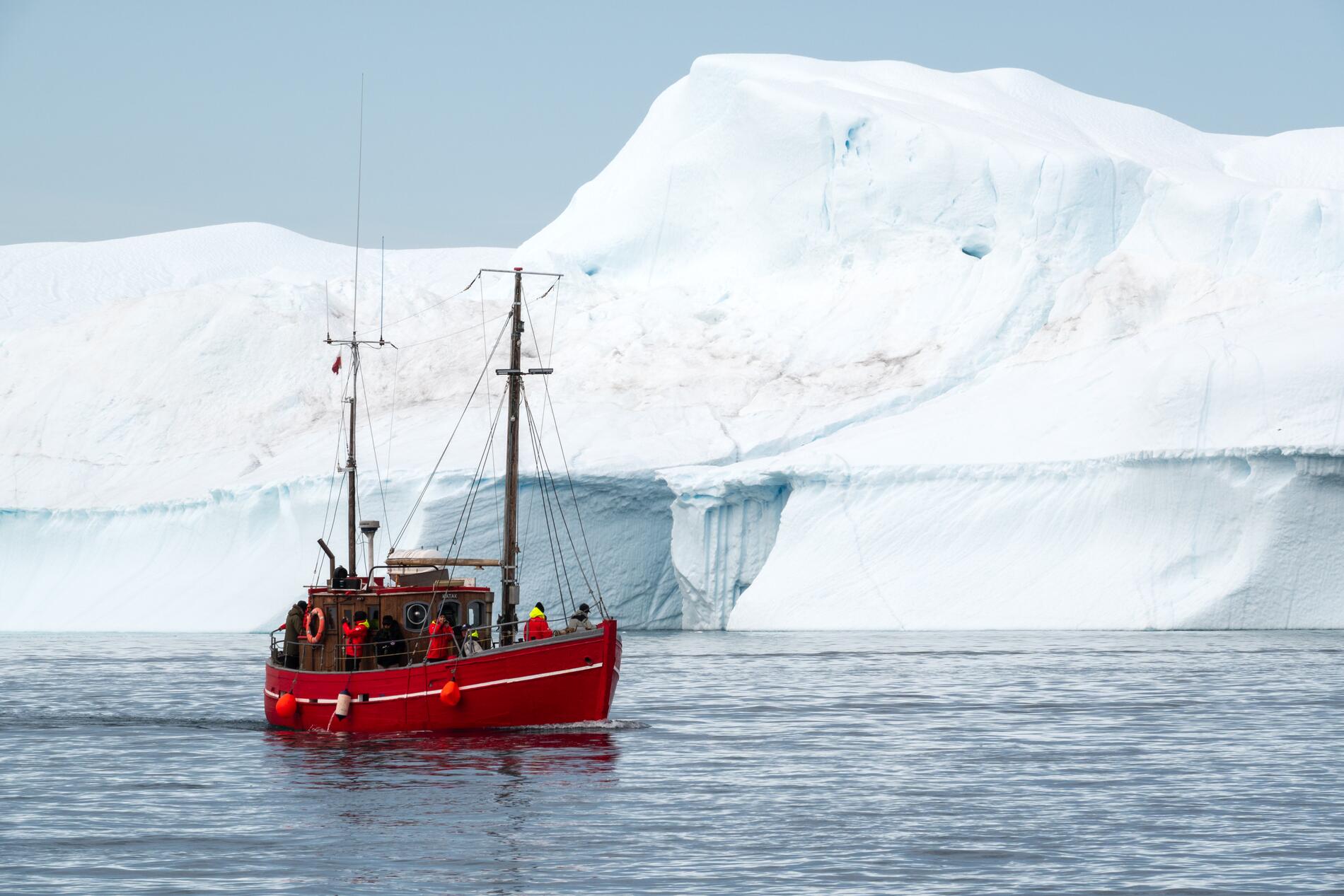
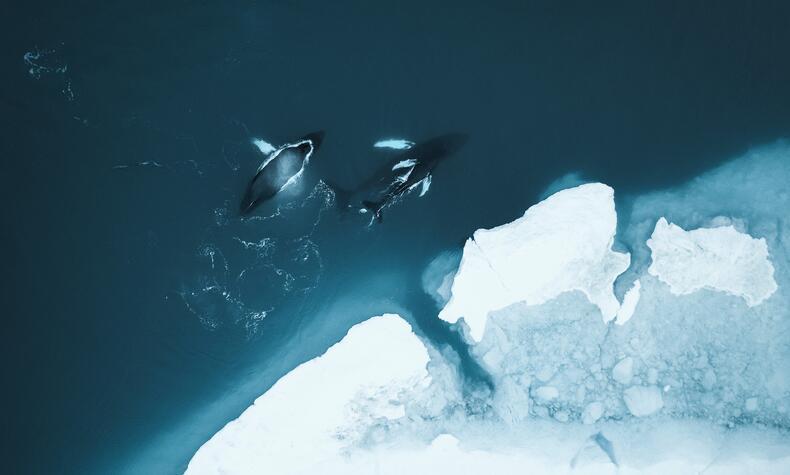
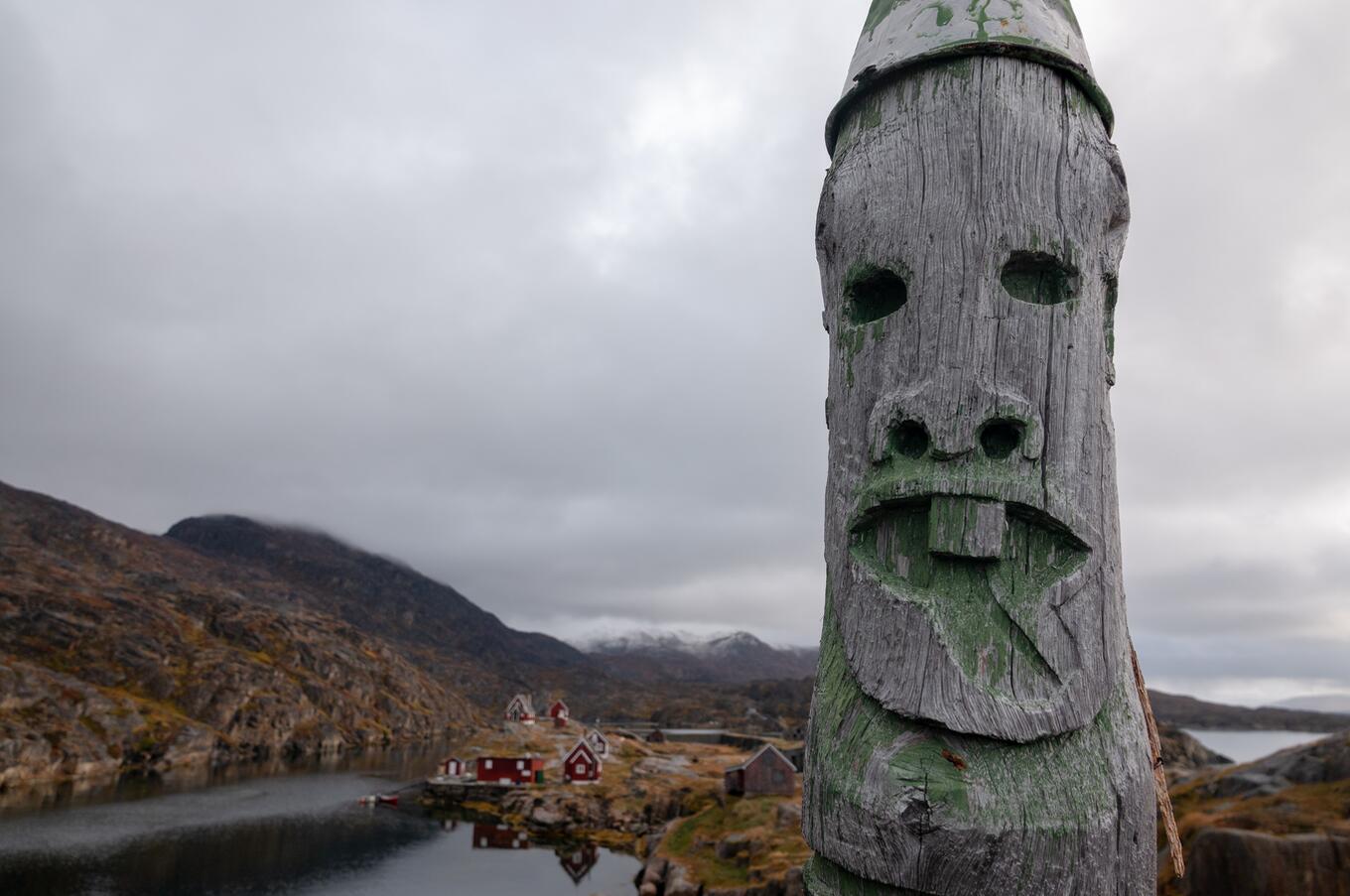
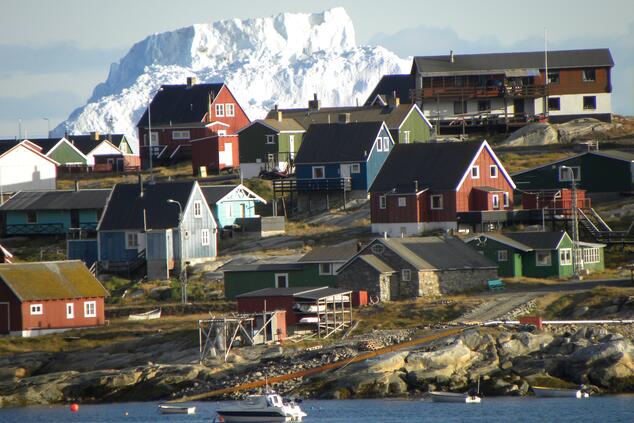
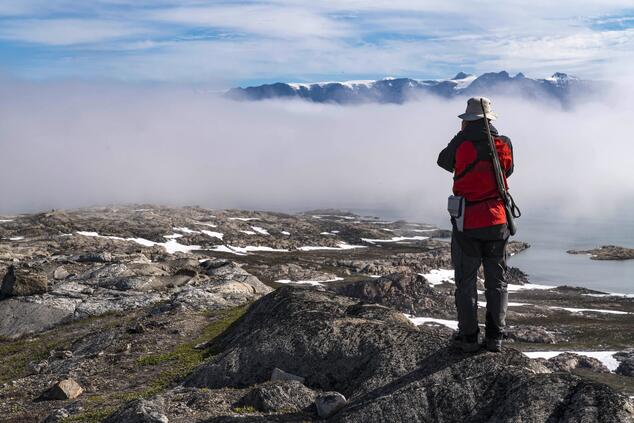
There are no roads connecting Greenland’s cities. You can’t arrive by land. This is a place reached only by sea or by air. But the true arrival, the one that transforms you, happens from the deck of a ship. To sail along Greenland’s shores is to witness a living geography lesson: endless fjords, glaciers calving with ancient thunder, icebergs adrift like wandering sculptures, and whales surfacing like ghosts from the deep.
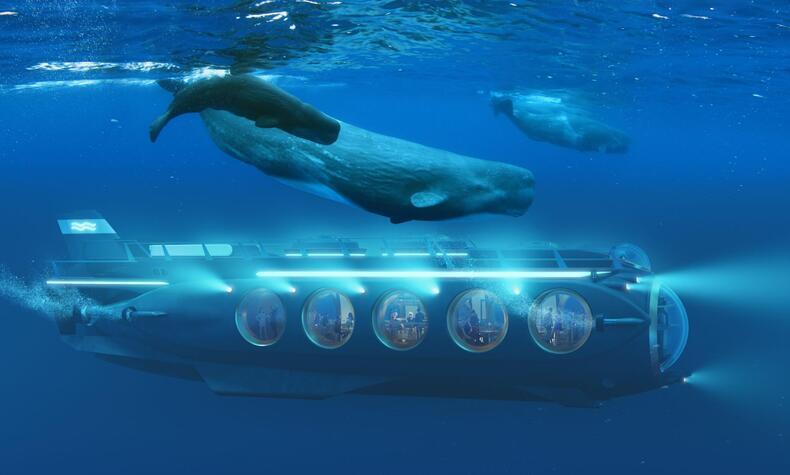
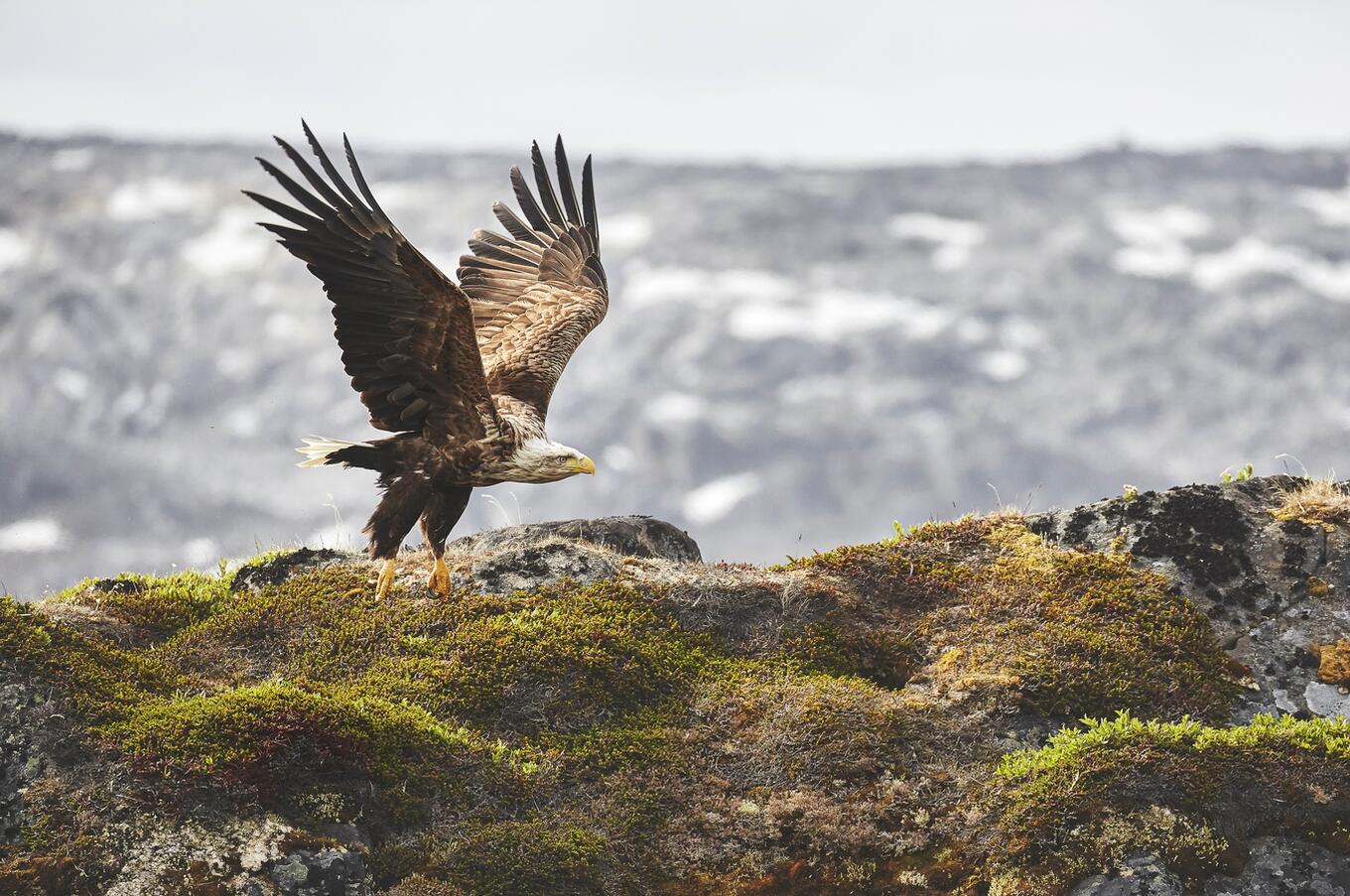
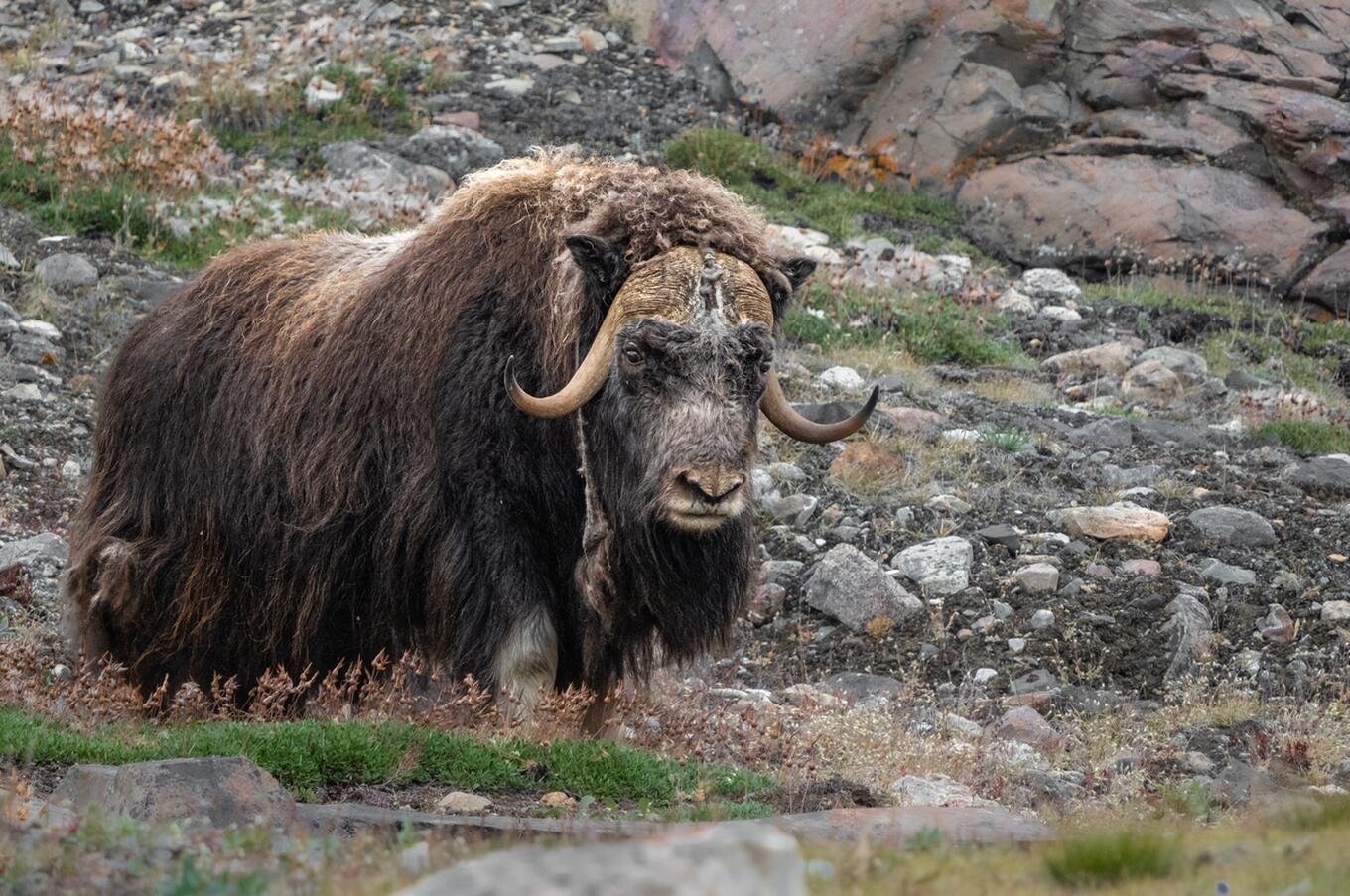
It’s also a journey through ecology in motion. Greenland is home to the largest national park on Earth—and one of the planet’s most fragile ecosystems. Northeast Greenland National Park spans an astonishing 972,000 km², larger than Spain and France combined, and a hundred times the size of Yellowstone. On land, musk oxen, Arctic foxes, reindeer, and snow hares endure the harsh conditions. Overhead, puffins glide in quiet flocks while gyrfalcons patrol the sky in solitude. Beneath the waves, narwhals, fin whales, humpbacks, belugas, and seals navigate a world where sea and ice are one.
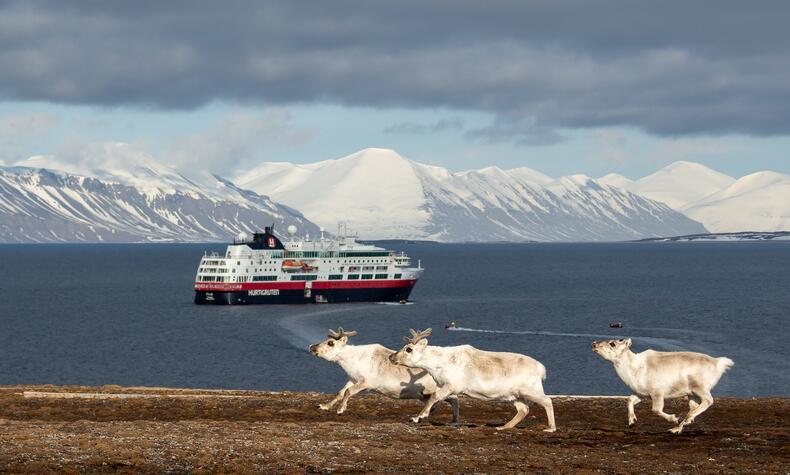
The best way to discover Greenland is aboard an expedition ship. This isn’t about massive cruise liners or commercial sea routes, but about vessels designed for true exploration, capable of navigating hidden fjords where there are no ports, no roads. Just ice, silence, and the rare privilege of stepping ashore in places few humans have ever reached.
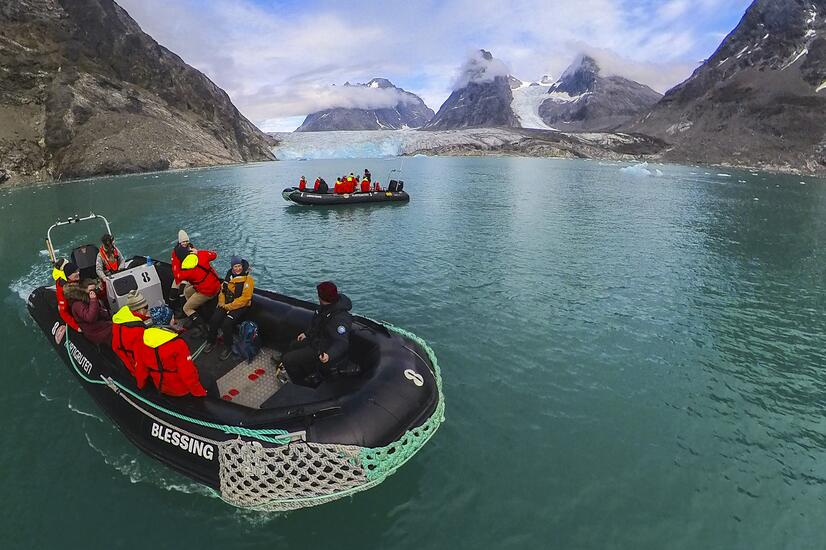
These ships are small and agile, carrying only a handful of passengers at a time. You sleep on board and venture out in Zodiac boats to walk across glaciers, observe Arctic wildlife, or visit remote Inuit communities. Life on board is unhurried and immersive, with naturalists to guide your understanding, space to reflect, and all the comforts needed to feel part of the environment, not just a spectator drifting through it.

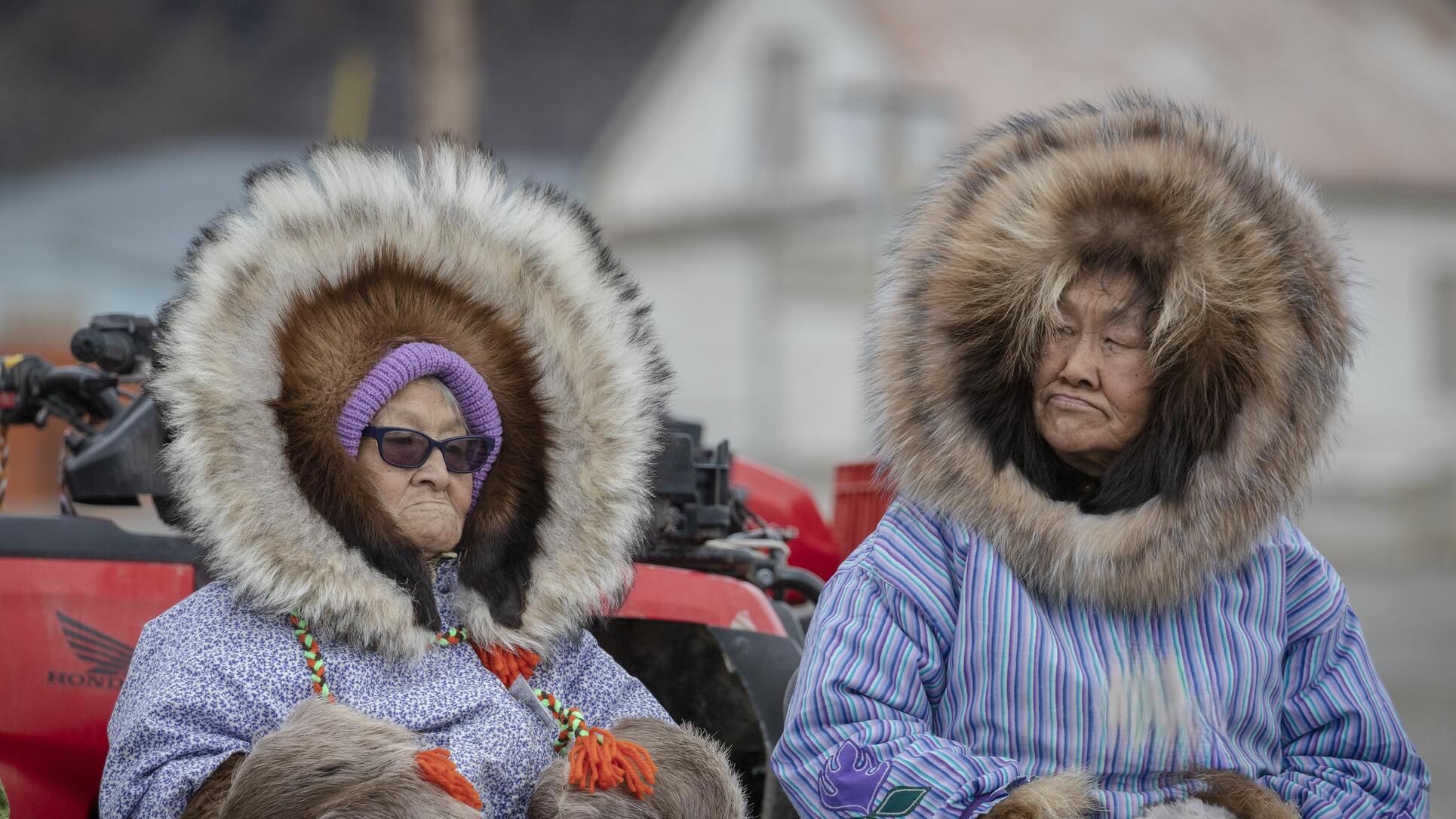
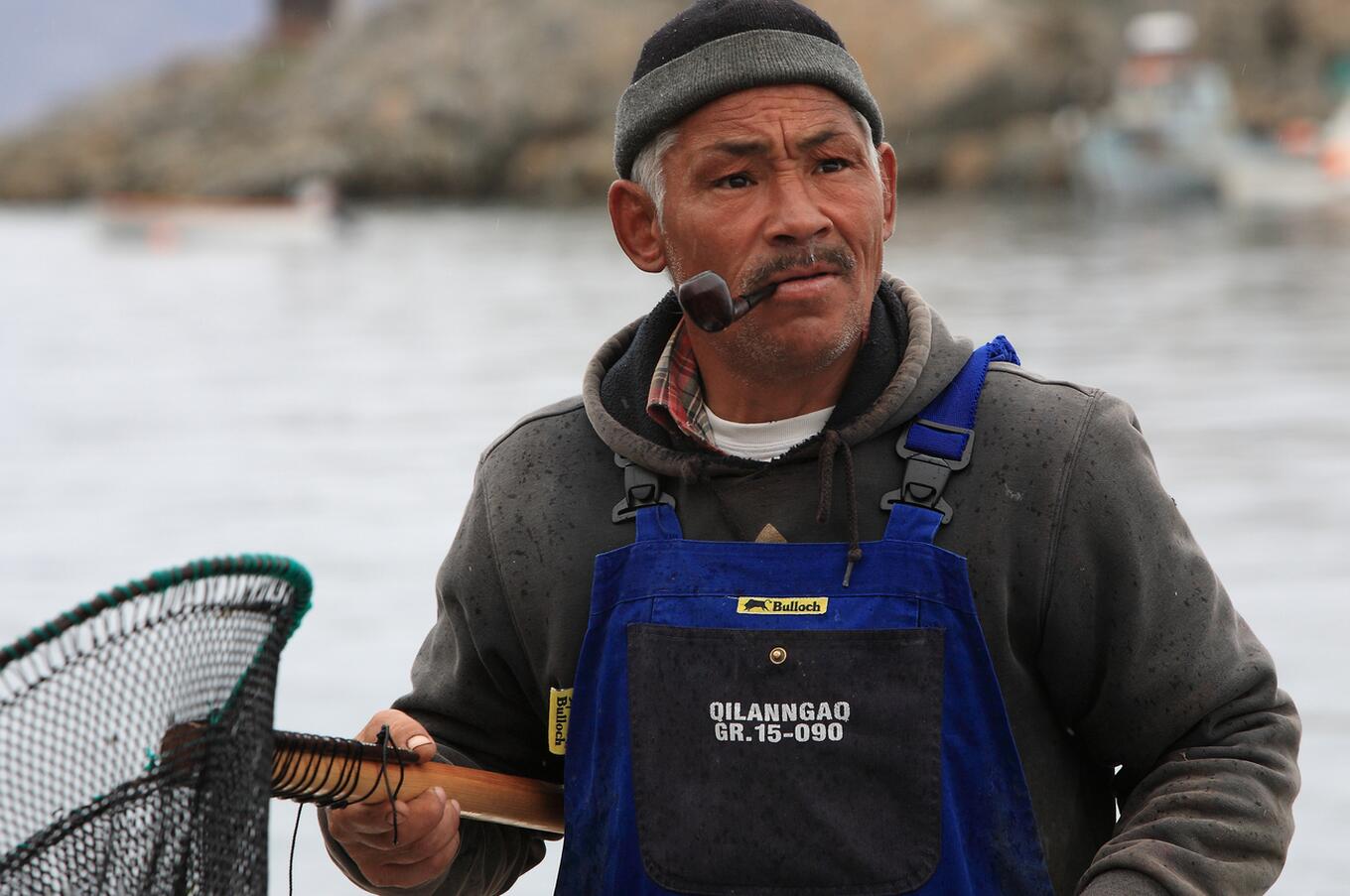
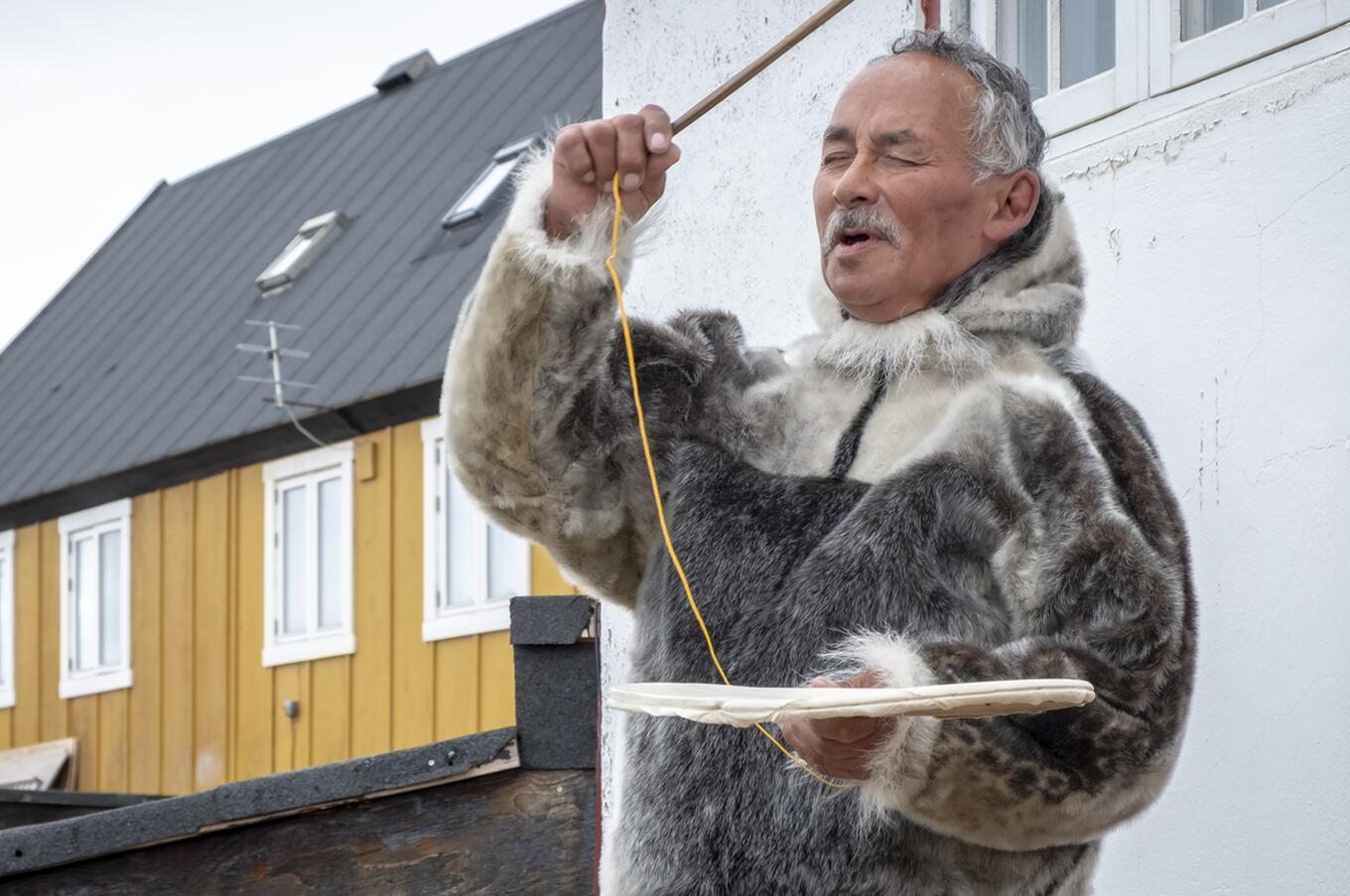
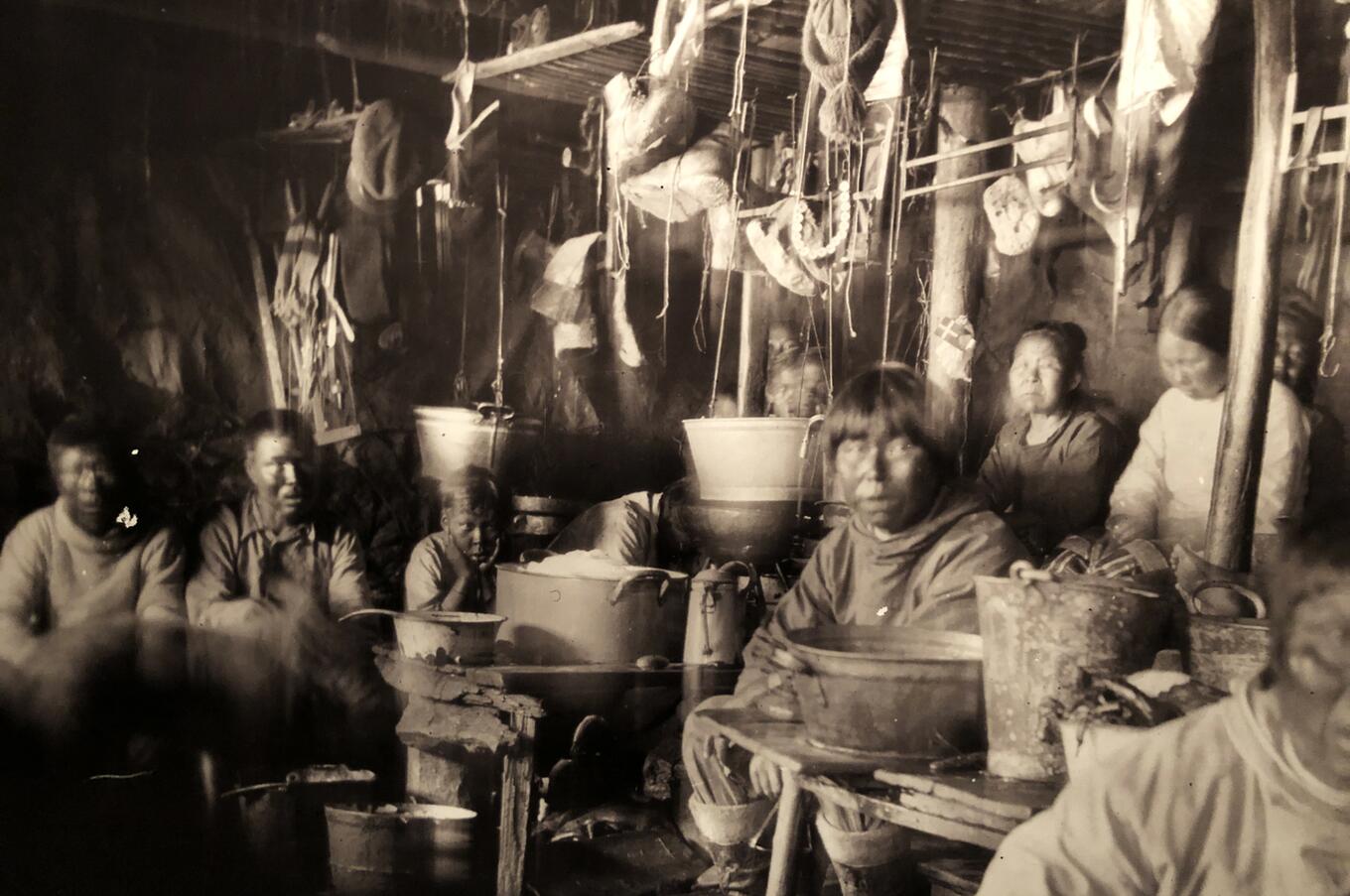
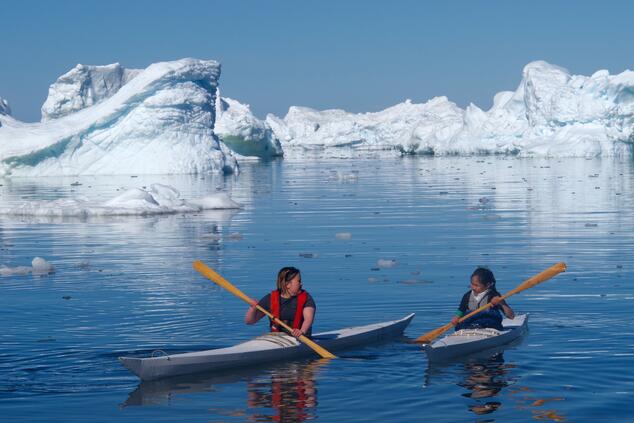
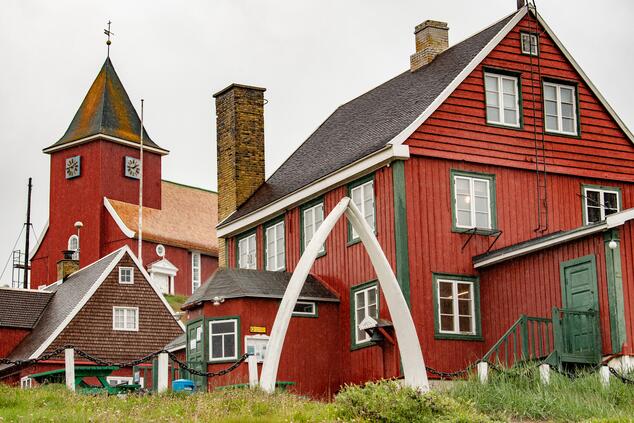
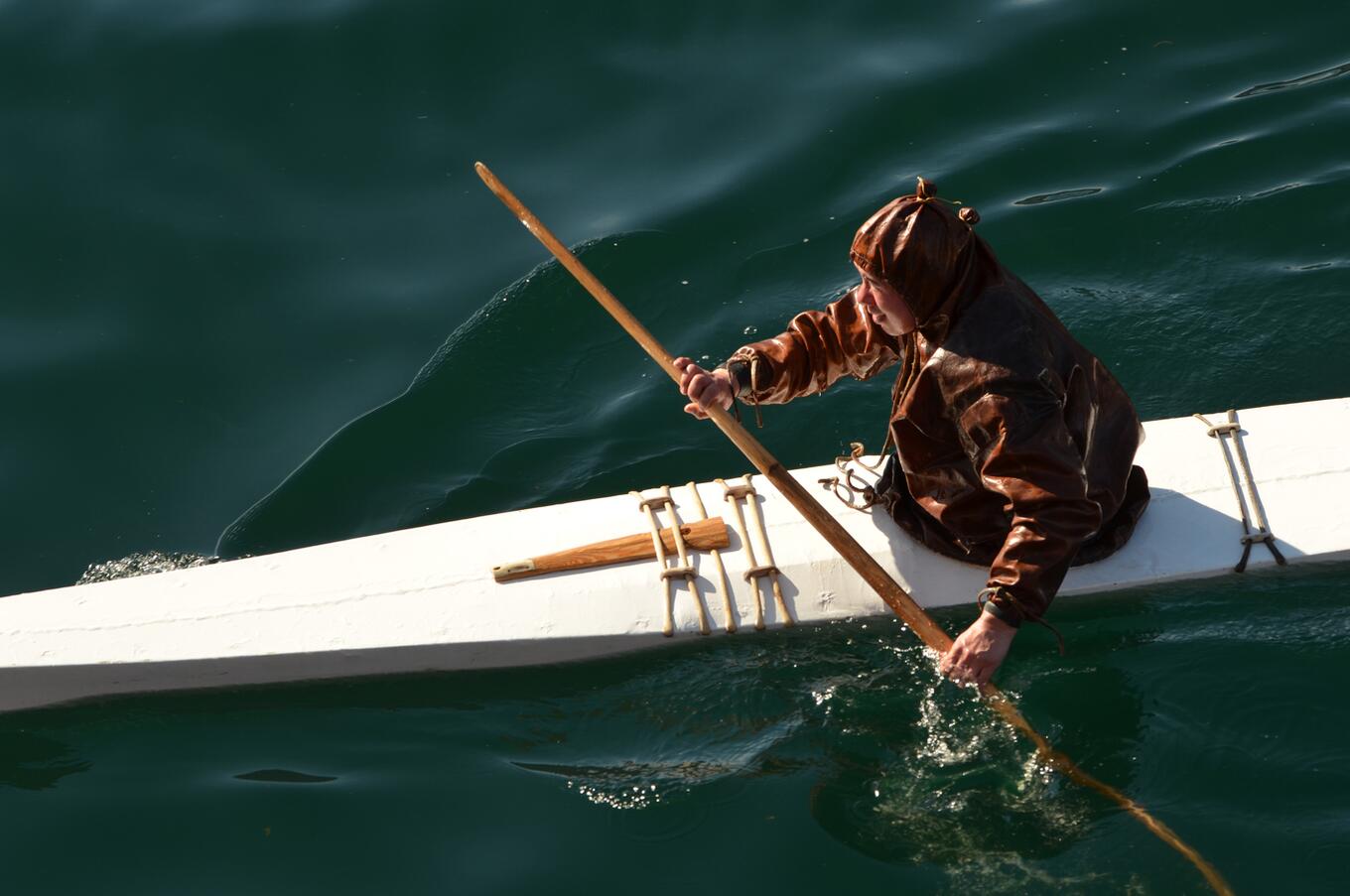
Greenland is also culture. And resistance. On this remote island live around 56,000 people, most of them Inuit. In towns like Nuuk and Ilulissat, life still follows the rhythms of the ice. Kayaking, hunting, and deep knowledge of the land and its animals remain vital parts of a lifestyle shaped by isolation and adaptation.
To travel here is to encounter a culture that has withstood the Arctic climate for millennia. A culture that, even in the face of climate change and modern influences, maintains a distinct perspective on nature and its own language: Kalaallisut, declared an official language in 2009.
For decades, Greenland has existed as an autonomous territory within the Kingdom of Denmark, with its own government and control over most of its natural resources. But this icy land is also coveted because of what lies beneath its frozen surface, its strategic geopolitical location, and the role it may play in a rapidly warming world.
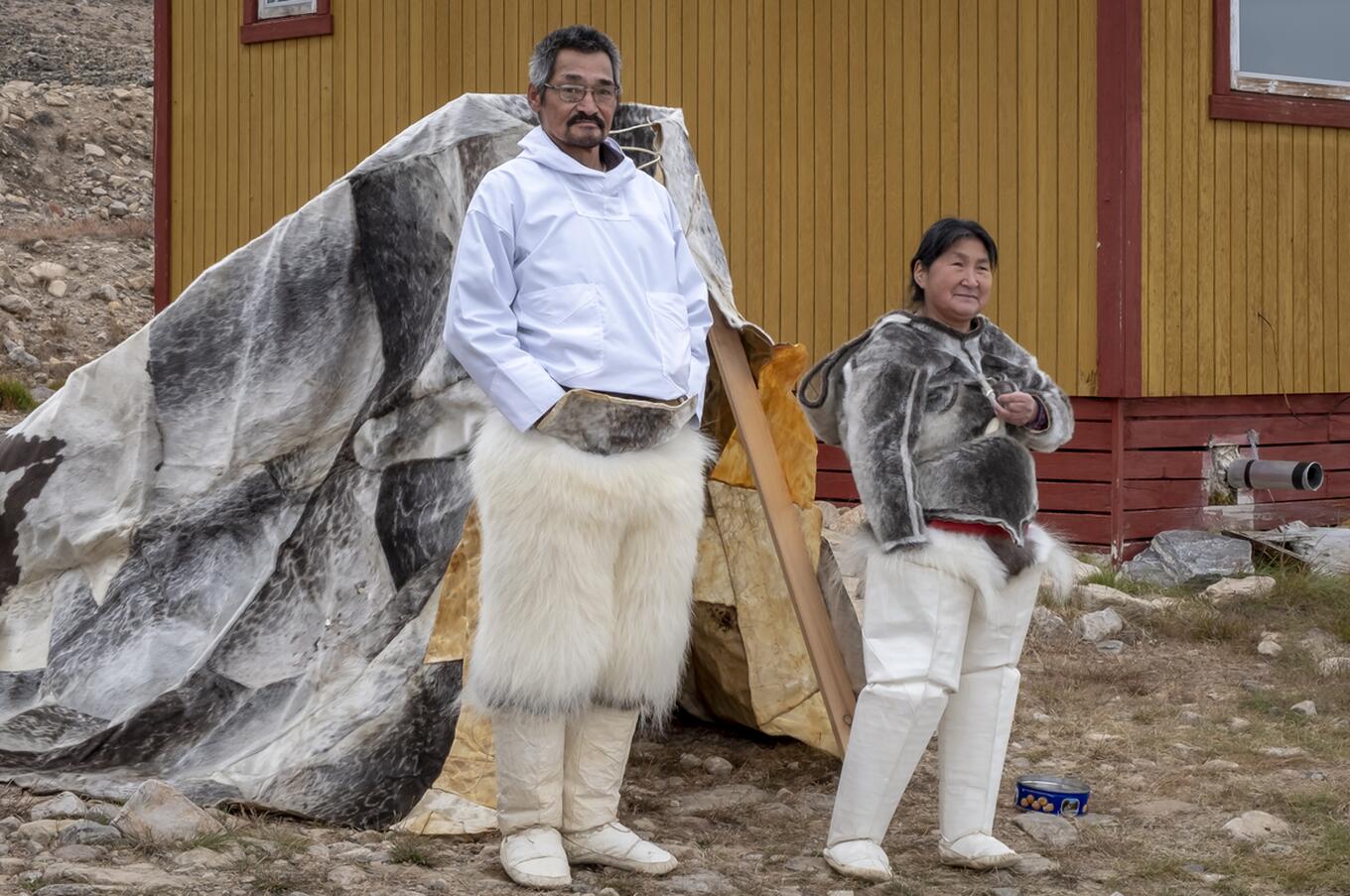
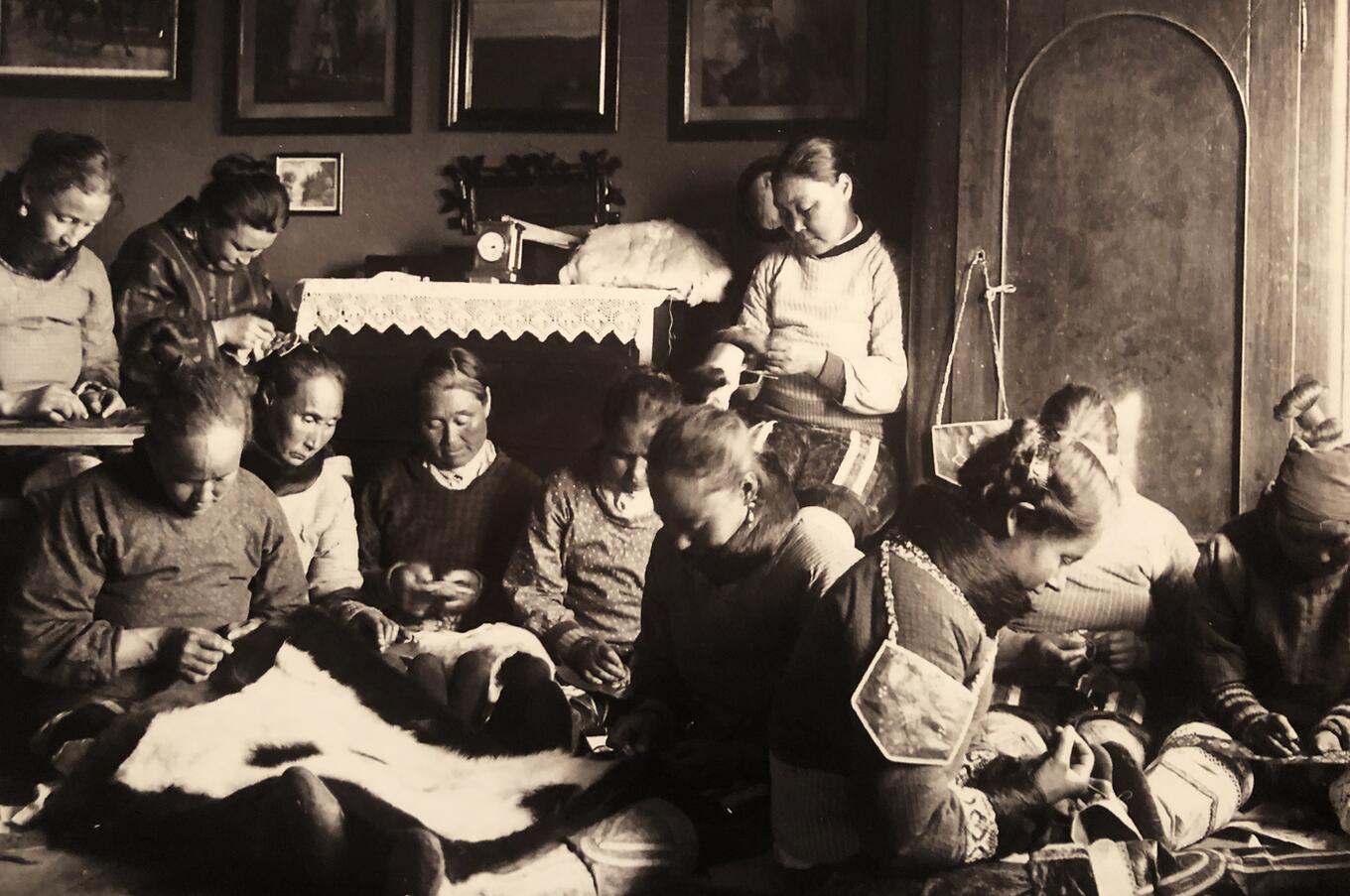
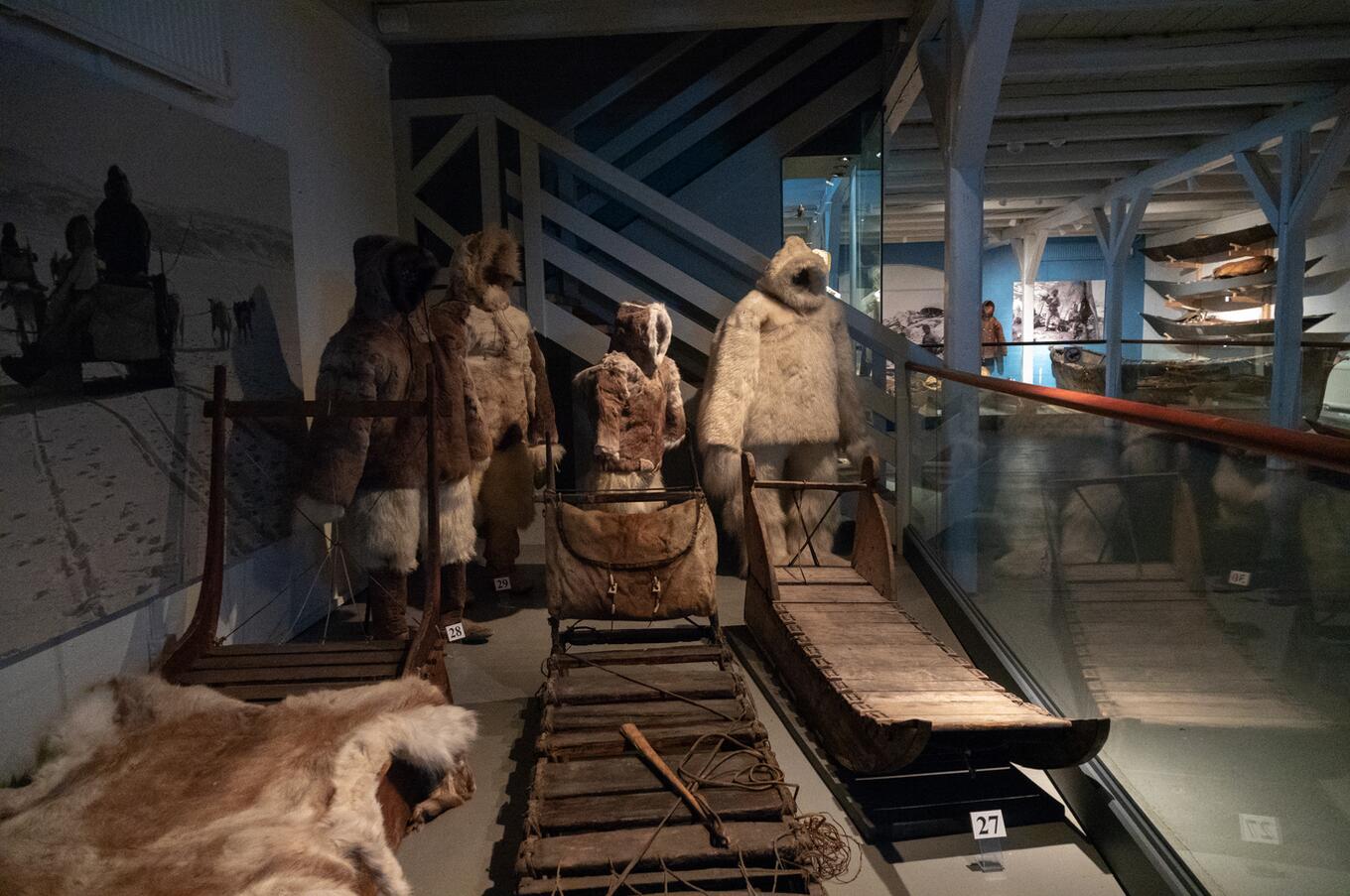

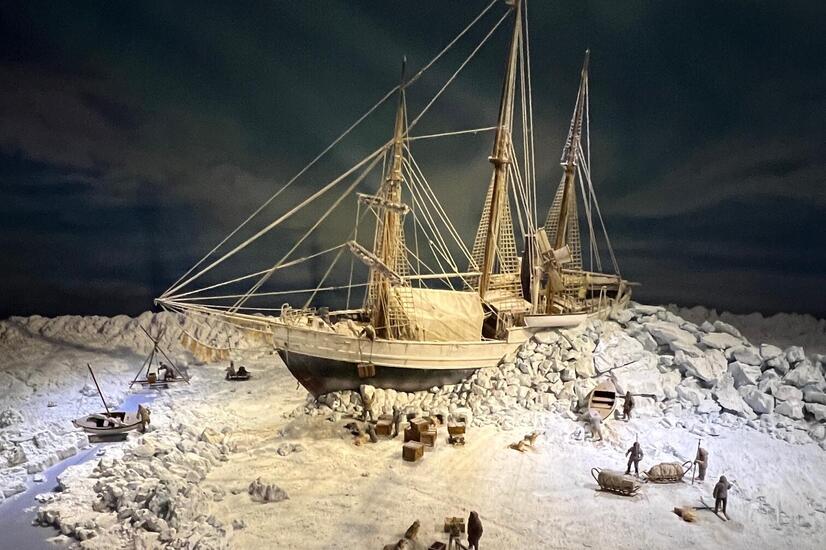
Before venturing deep into the Arctic ice, polar explorer Fridtjof Nansen and his crew passed through Greenland. There, they learned vital survival skills from the Inuit: how to handle dog sleds, move safely across the ice, and read the subtle signs of a shifting landscape. Those lessons would prove essential for what lay ahead.
Their ship, The Fram, was a feat of engineering. Its rounded hull was specially designed to withstand the pressure of the polar ice, allowing it to be encased without being crushed. For nearly three years, the Fram remained deliberately trapped in the ice, transformed into a floating observatory, a refuge, and a bold scientific experiment. The crew even generated electricity using a windmill connected to a dynamo.
They didn’t set out to conquer the Arctic, but instead live with it. And that philosophy, that profound respect for the ice and its rhythms, began in Greenland.

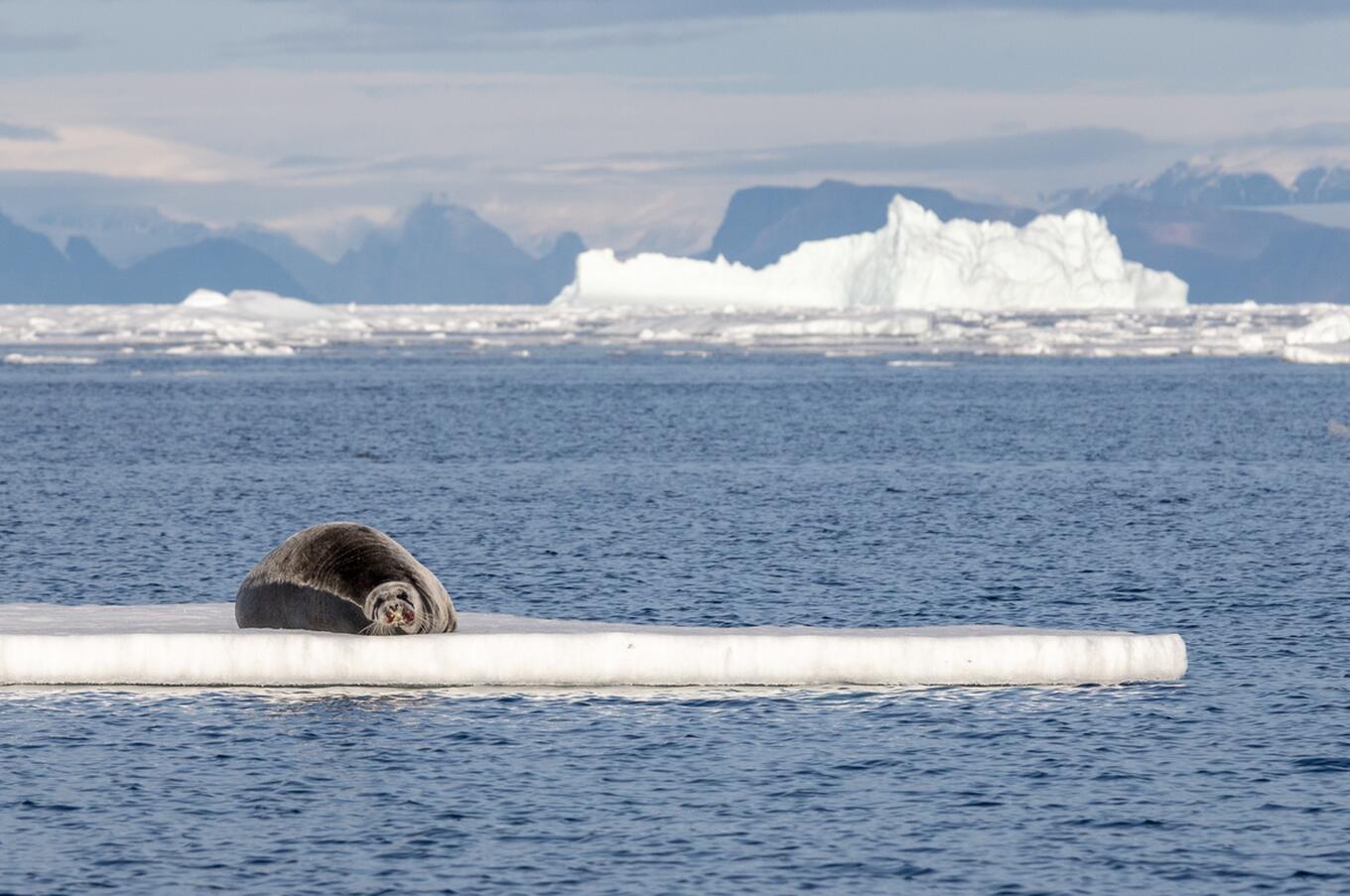
And yet, Greenland is so much more than its landscapes. It is absolute silence. It is living proof that humans can exist at the very edge of the world. It is the last frontier and the enduring desire to reach it, witness it, and understand it.
That is why you go. Not for what you can bring, but for what it can teach you. Because in Greenland, between the ice and the wind, there are still truths that reveal themselves only to those who arrive with humility and wonder. And because some places, once seen, stay with you forever.