Fram: the polar ship that floated on ice
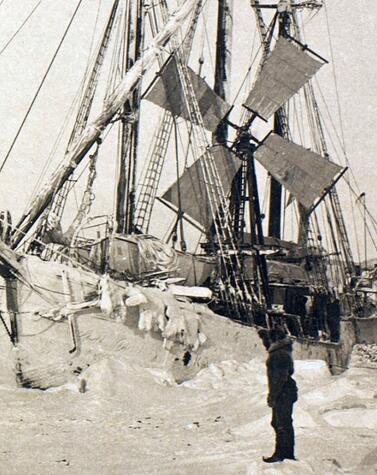
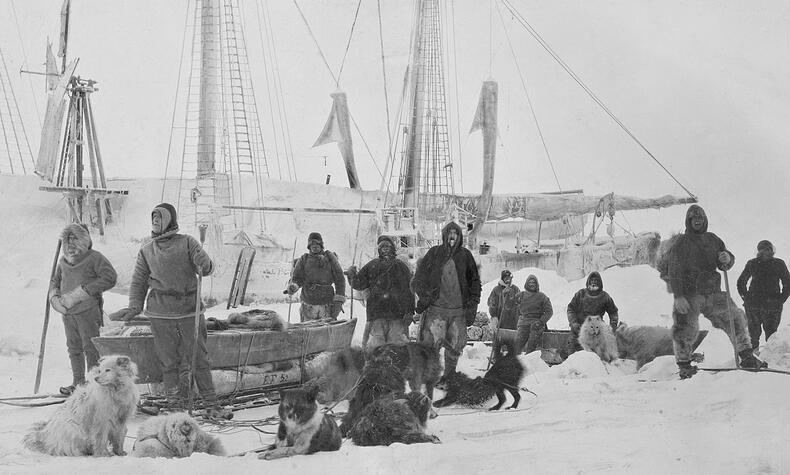
Built in 1892, the Fram was the first ship deliberately designed to become trapped in ice, a remarkable blend of engineering, science, and invaluable Inuit knowledge gained in Greenland.
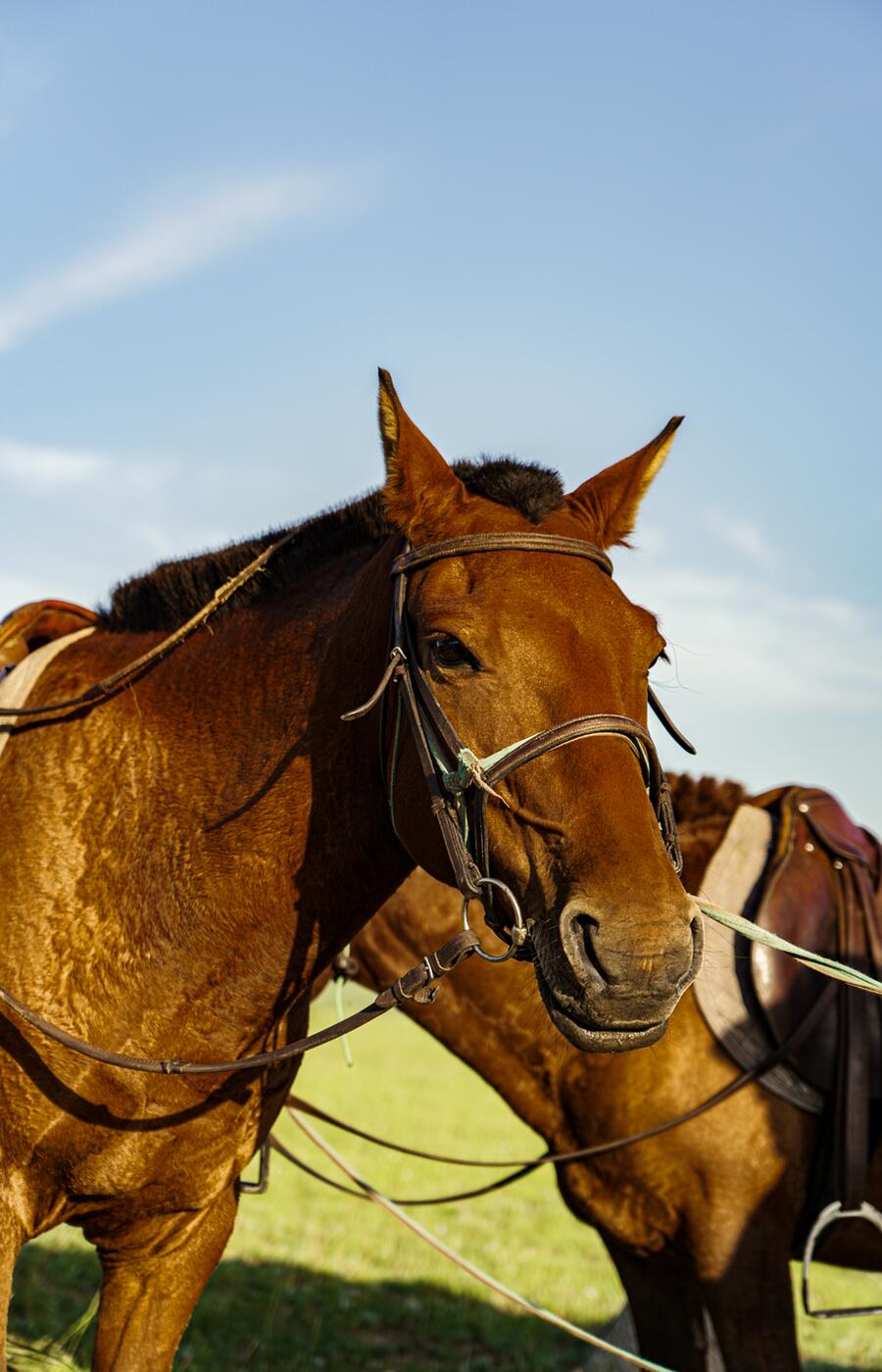
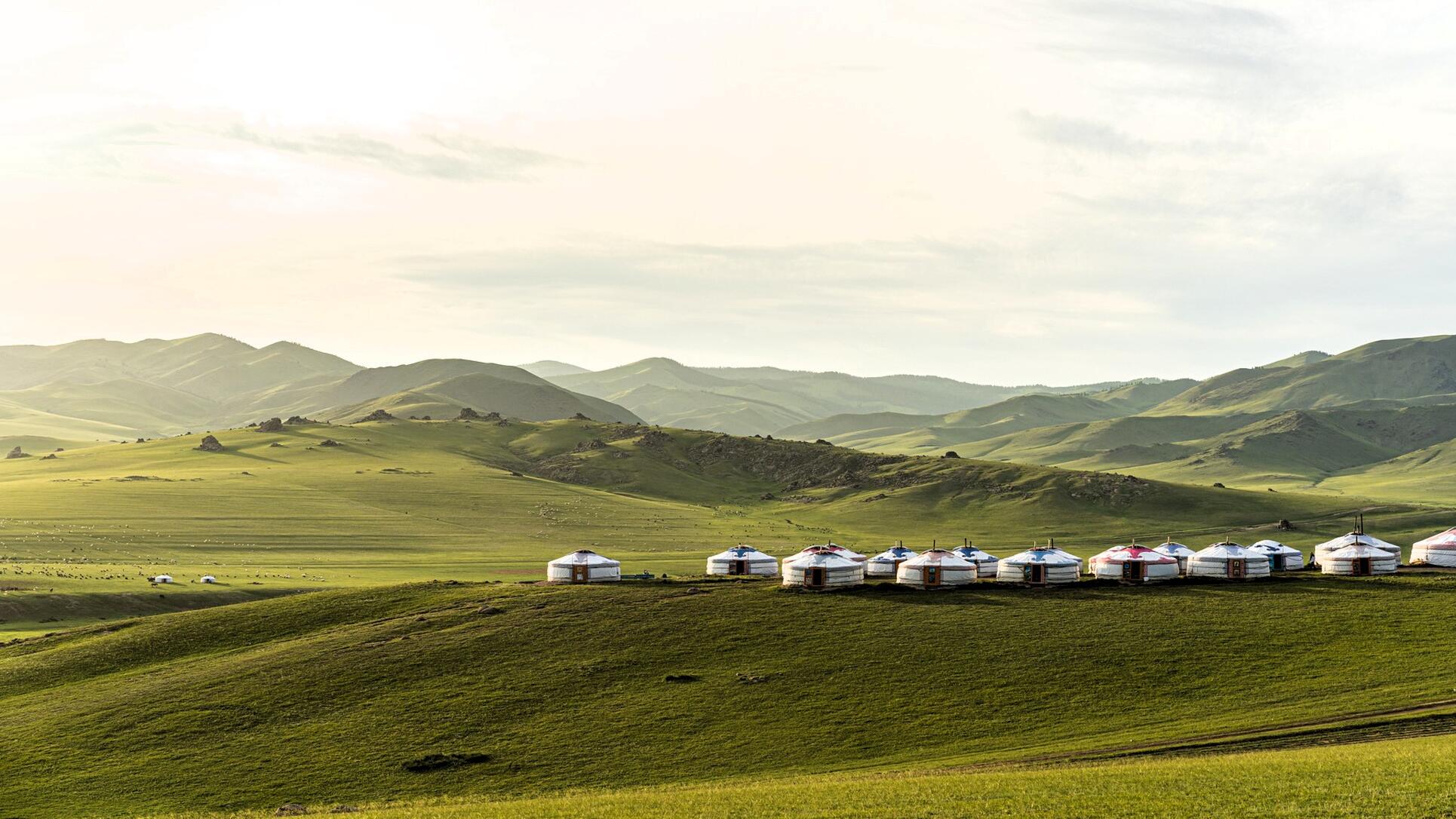
The river wound through the valley in lazy curves. Here and there, herds of yaks and horses dotted the rolling plain like scattered confetti in black, white, and tawny. The only sign of human life across this vast expanse was the occasional ger, the traditional round tent built from wool felt and wood.
Had I arrived here centuries ago, the landscape would look much the same. Leave Ulaanbaatar and its smog behind, and Mongolia opens onto the past: home to one of the world’s last nomadic societies, where nearly a quarter of the country’s 3.5 million people still move with the seasons, following the pastures and packing up their homes as generations have before them.
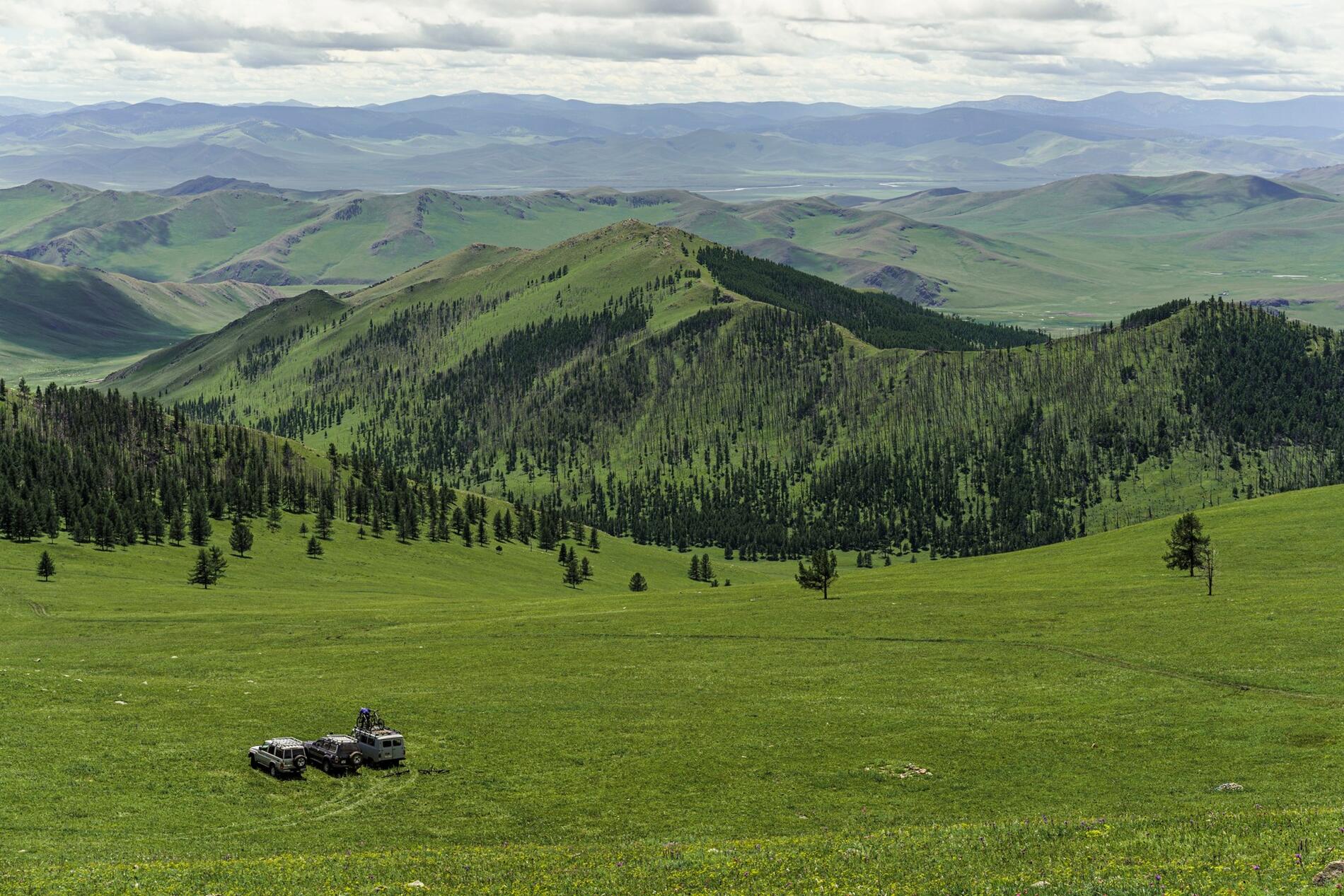
The ger, an ingenious piece of mobile architecture
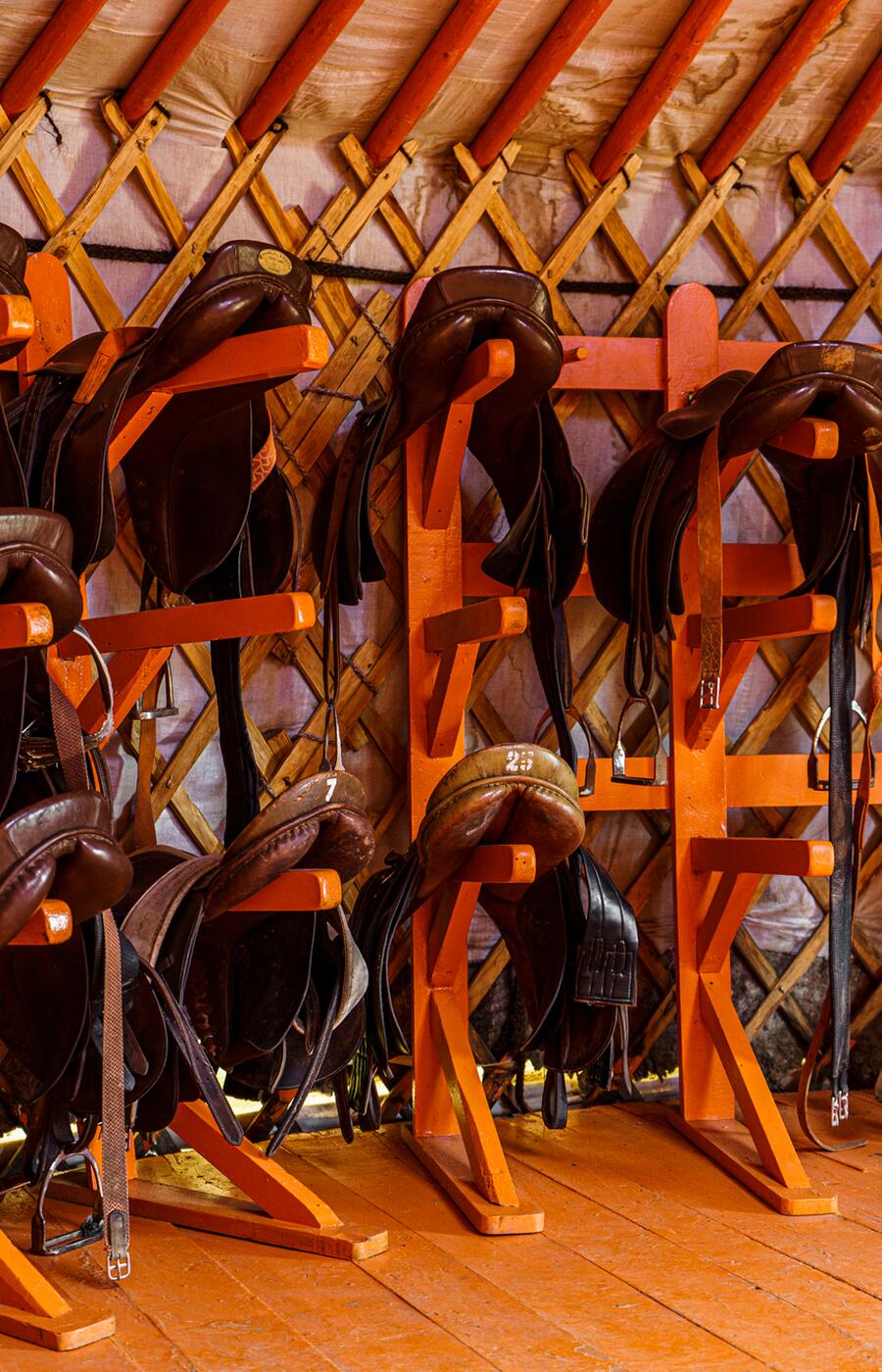
The structure of a typical Mongolian tent follows a simple principle: collapsible lattice walls, radial wooden poles, and a central ring called the toono, which supports the roof and allows for ventilation. There isn’t a single nail in the whole structure; its balance depends entirely on the tension of the ropes and the weight of the cladding. Sheep’s wool felt is the key material, insulating against the cold, blocking the wind, and, thanks to its many layers, helping the ger adapt to the seasons. More layers go on in winter, while the lower panels are raised in summer to let air circulate. A well-built ger can withstand extreme temperature swings and fierce winds without losing its stability.
Today’s design descends from a pastoral tradition documented across the Eurasian steppes for more than two thousand years. Its circular shape cuts wind resistance and helps retain heat inside. Even its dimensions follow a precise logic: a typical family ger measures five or six meters across, though larger versions exist for celebrations, receptions, or community gatherings. Every detail serves a purpose, from quick assembly and lightweight transport to insulation and durability. The ger has remained largely unchanged for centuries, not out of resistance to change, but because it already answers, with remarkable precision, the essential needs of nomadic life.
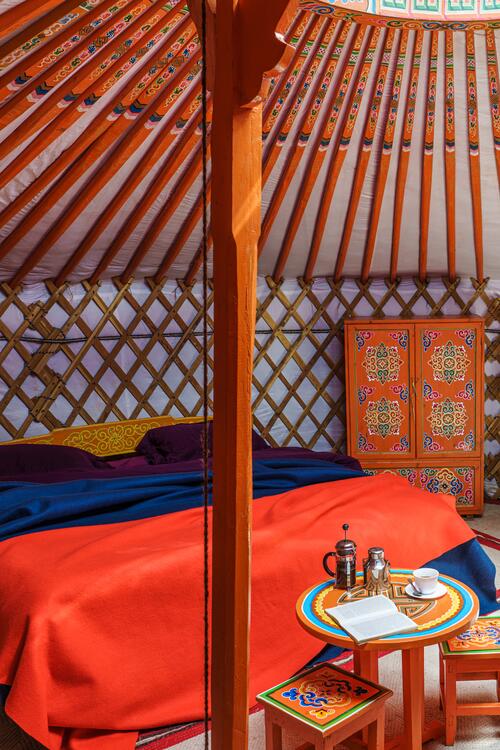
Each spring, as winter fades and the valley fills with new scents and sounds, the Genghis Khan Retreat picks up its pace too. Opened in the late 1990s as the Giercke family’s polo field, it’s rebuilt every season with some thirty ger set along a grassy ridge beside the Orkhon River. Inside, wood stoves and cashmere blankets keep you warm, and candles provide the only light, since there’s no electricity out here.
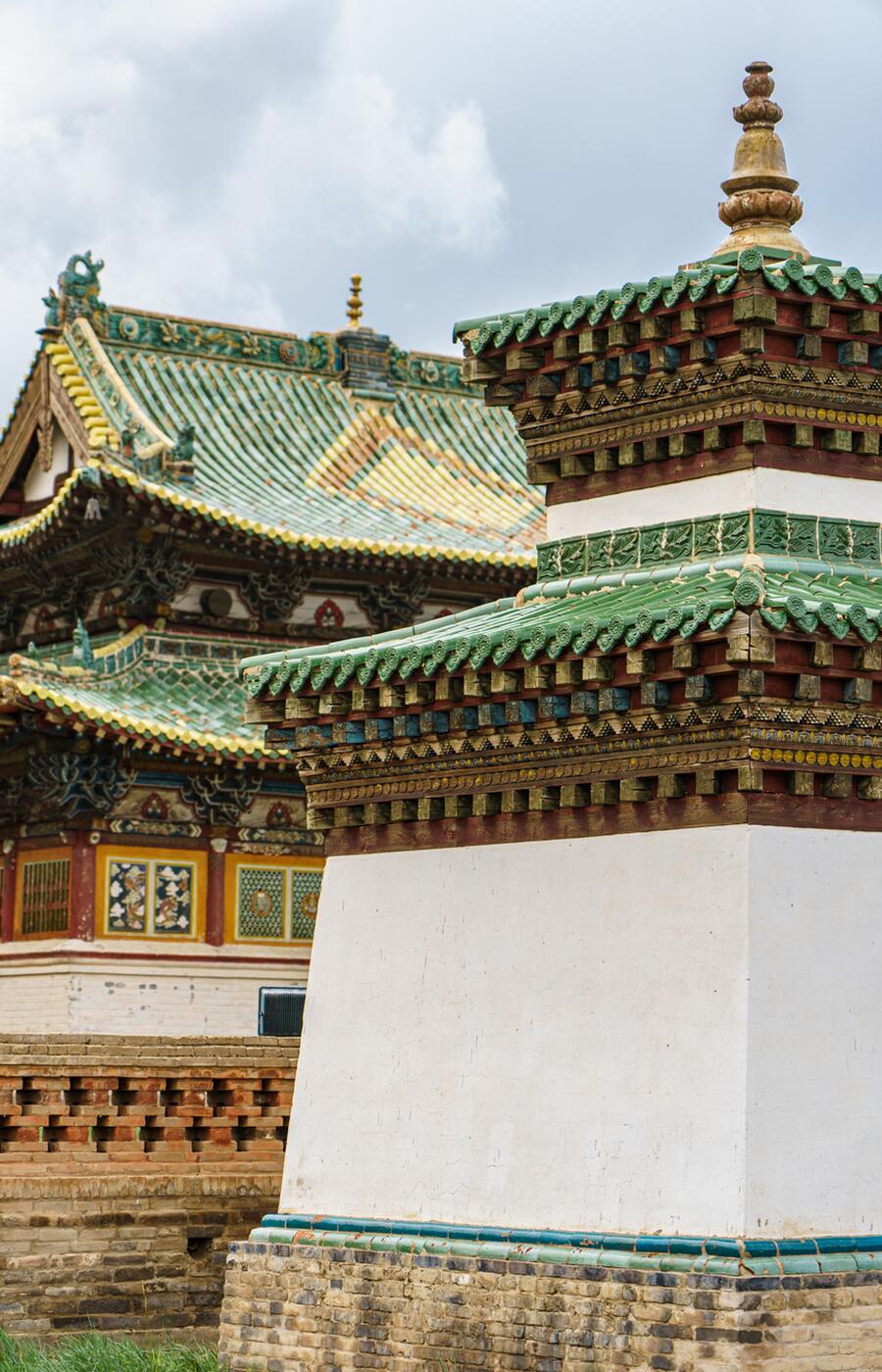
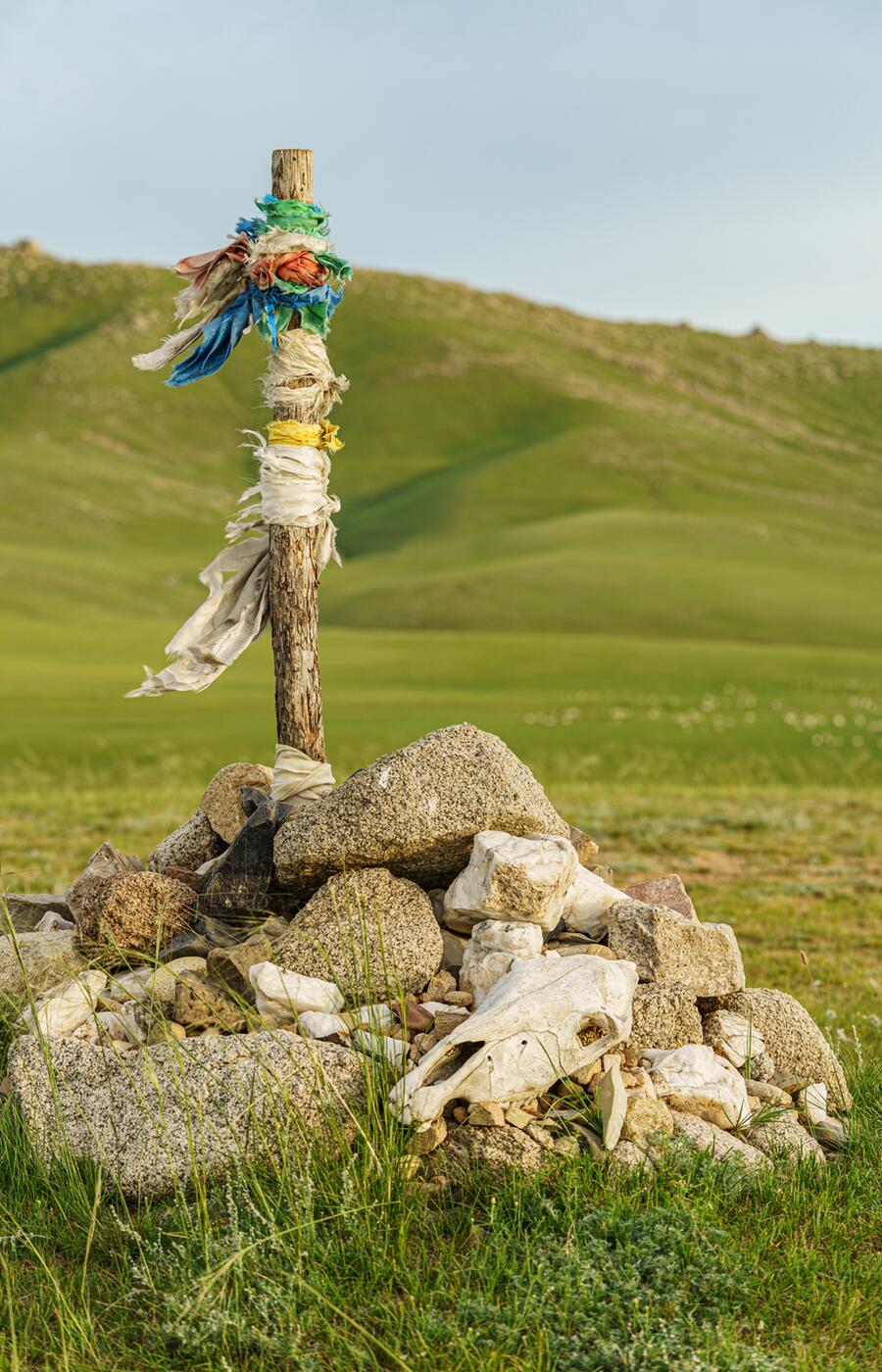
One morning, with a cold wind blowing and the sun high overhead, we rode across the valley to a mist-shrouded larch forest, passing spring flowers and edelweiss, vultures’ nests, and weather-worn wooden stupas along the way. On another day, we visited the Buddhist monastery of Erdene Zuu and paddled downriver by kayak.
Back at camp, the staff, almost all of them nomads themselves, welcomed us with hot drinks, yak stew, and mushroom rice. Between soaks in a wood-heated bathtub and dips in the icy river, time seemed to slow down. There was even a shaman, Shiva, on hand to work out our tired muscles.
At a time when hospitality increasingly means excess, places like the Genghis Khan Retreat leave a different kind of impression: stepping out of your ger to an untouched valley, sitting by the fire, and listening to the night. Come autumn, everything is taken down, leaving only faint circles of flattened grass that will fade until spring, when it all begins again.