Sápmi, the land of the Sámi beyond the borders of Lapland
Discover Sápmi, the ancestral homeland of the Sámi people in Lapland: their traditions, reindeer herding, the eight seasons, the gákti, and the joik.
There's something about French Polynesia that invites you to slow down. Perhaps it’s the rhythm of the ocean, the scent of sea salt mingling with tiare flowers, or that unmistakable fragrance of monoi that seems to follow us everywhere. We stroll through the streets of Papeete, stop at a small restaurant in Moorea, or arrive at one of those hotels where Polynesian hospitality comes across with a naturalness hard to find elsewhere in the world.
And then someone approaches to welcome us. They greet us with a broad smile—the kind that lights up their eyes as well. There’s something about the way they move, the gentleness of their gestures, their voice, or their appearance that catches our attention. We might not be able to put our finger on it right away. Perhaps our gaze, accustomed to categorizing everything it sees, takes a few seconds to comprehend what’s in front of us. We might be standing before a māhū. And what initially piques our curiosity may turn out to be one of the most beautiful lessons this trip has to offer.
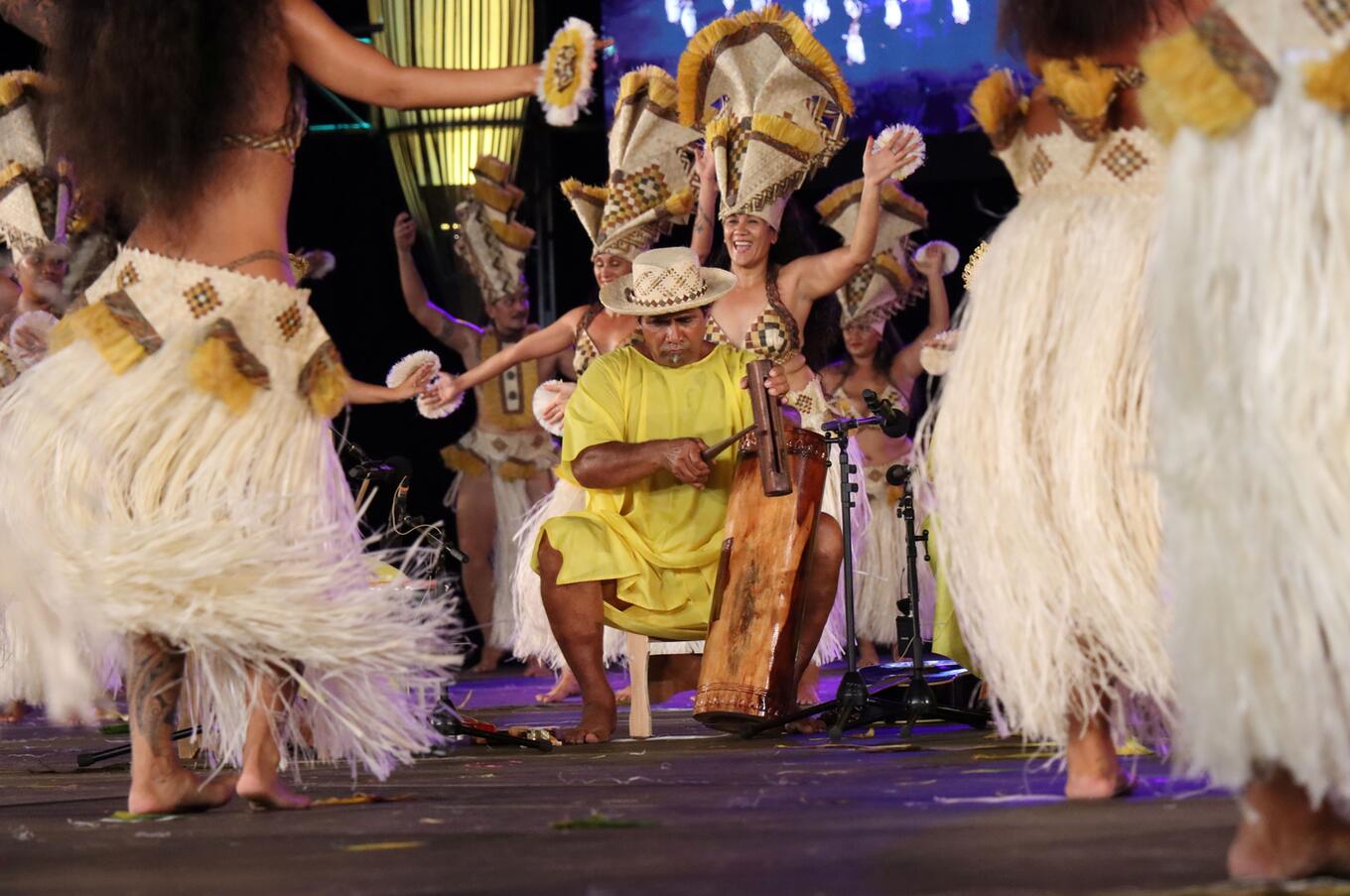
In Tahitian culture, the māhū have held a distinct place for generations. The term is often interpreted as “in the middle,” an expression that brings us closer to its meaning, though it hardly captures its full complexity.
Traditionally, it has been used to describe people born male who express an identity or perform roles culturally associated with the feminine. However, attempting to translate their reality into our Western categories of homosexuality, transsexuality, or non-binary identity would be to oversimplify a tradition that originated long before those words even existed. In some cultural interpretations, the māhū represents the coexistence of the masculine and the feminine—two dimensions that can complement one another and find their own balance.
The history of the māhū reveals that ways of understanding identity have been far more diverse than we usually imagine. In Polynesian societies, this diversity has found its own cultural expressions dating back centuries.
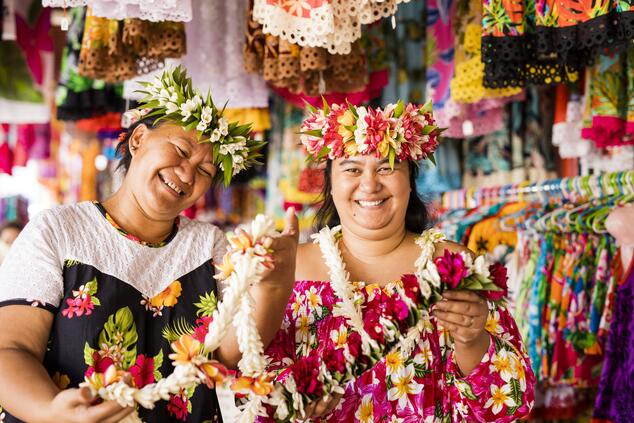
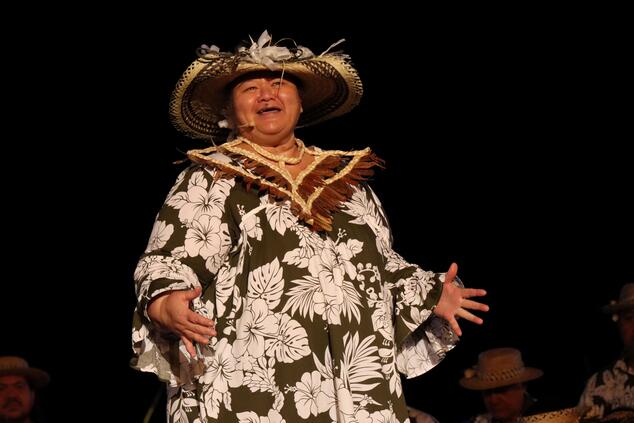
What is truly interesting about the māhū is discovering their presence in everyday life, far from the traditional ceremonies or folkloric displays that usually attract visitors’ attention. We can find them at a hotel front desk, working in a restaurant, or chatting in the shade of a breadfruit tree.
Historically, many have played roles related to caregiving, education, the transmission of knowledge, and certain artistic expressions. Some have played a prominent role in preserving dance, music, and oral traditions. However, there is no single way to be a māhū, just as there is no single way to be a man or a woman.
What catches the traveler’s eye is that their presence is part of the human landscape of the islands. They constitute a well-known reality deeply intertwined with the history of their communities. That does not mean acceptance is universal or that they are free from prejudice. Contemporary Polynesia, like any other society, lives with its own contradictions.
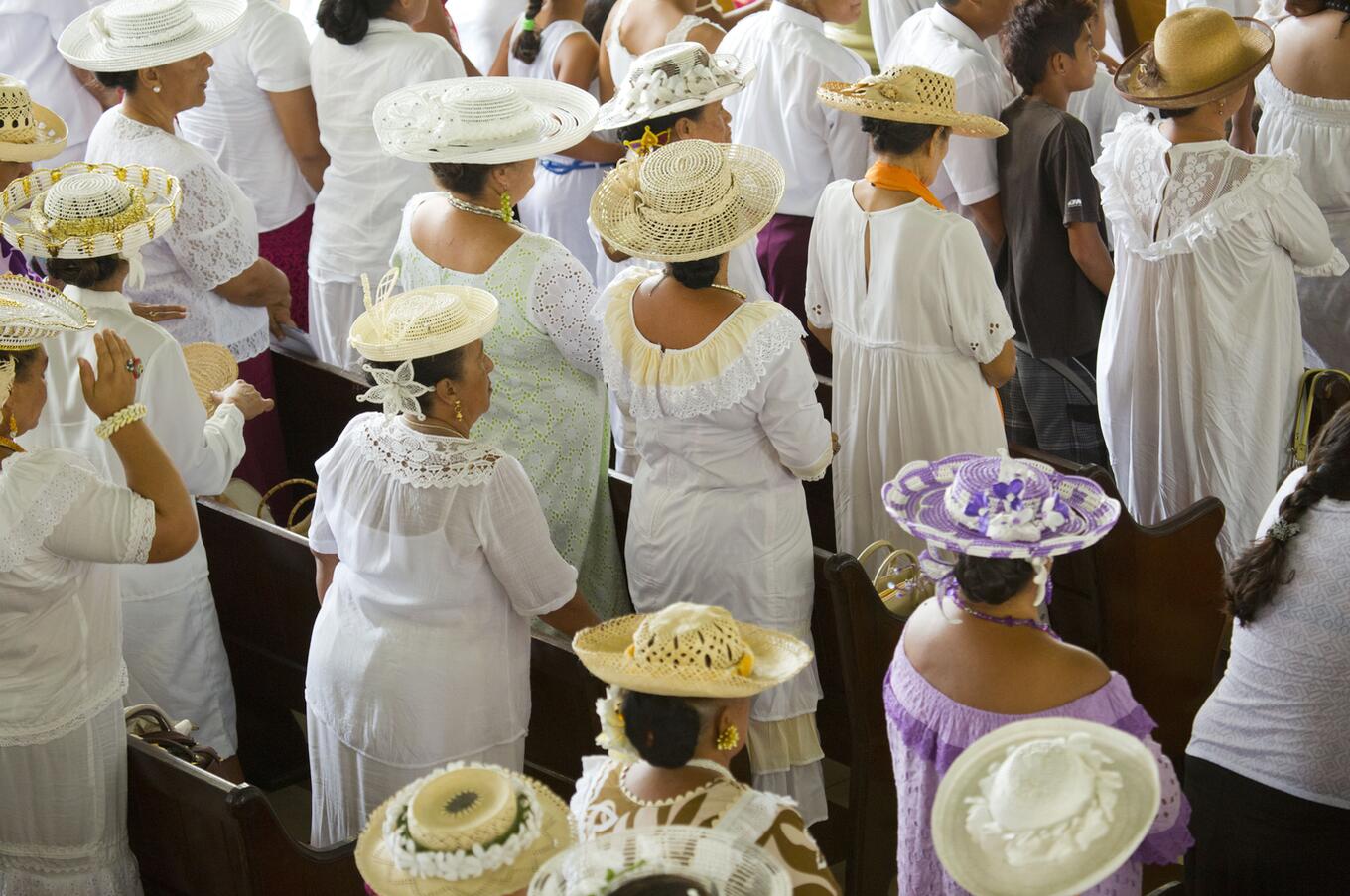
With the arrival of European explorers and, especially, Christian missionaries in the late 18th century and throughout the 19th century, many Polynesian customs began to be judged according to a moral code foreign to the islands. Dances, sexuality, family relationships, and expressions of gender became subject to new restrictions and condemnation. What had been part of the traditional social order came, in certain contexts, to be considered inappropriate or shameful.
The māhū remained in their communities, although their social standing changed under the influence of new religious and cultural values. Over time, the French presence, urbanization, and social changes gave rise to new realities. Among these was the raerae identity, which began to gain visibility during the 20th century and is often associated with more contemporary expressions of trans femininity. Although they may be confused from the outside, māhū and raerae are terms with different meanings, histories, and social experiences. Furthermore, the boundaries between them are not always rigid.
When Paul Gauguin arrived in Tahiti in 1891, he was seeking a world far removed from European conventions. The French painter was fascinated by a society whose customs challenged many of his own certainties.
During his years in Polynesia, which would end on the remote island of Hiva Oa in the Marquesas, he depicted figures of remarkable ambiguity—figures in which the masculine and the feminine seem to coexist without needing to be defined.
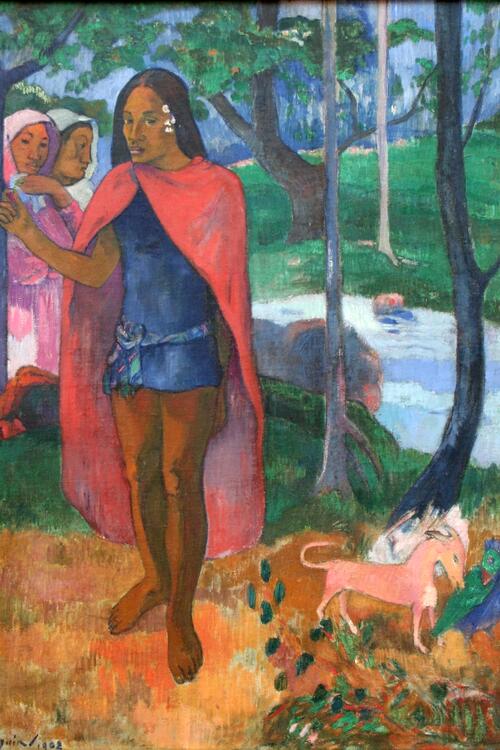
One of his most enigmatic paintings, The Sorcerer of Hiva Oa (1902), depicts a figure with long black hair, a flower, and a red cloak. Some interpretations of the work suggest that it might depict a māhū, perhaps a person connected to the islands’ ancient spiritual practices.
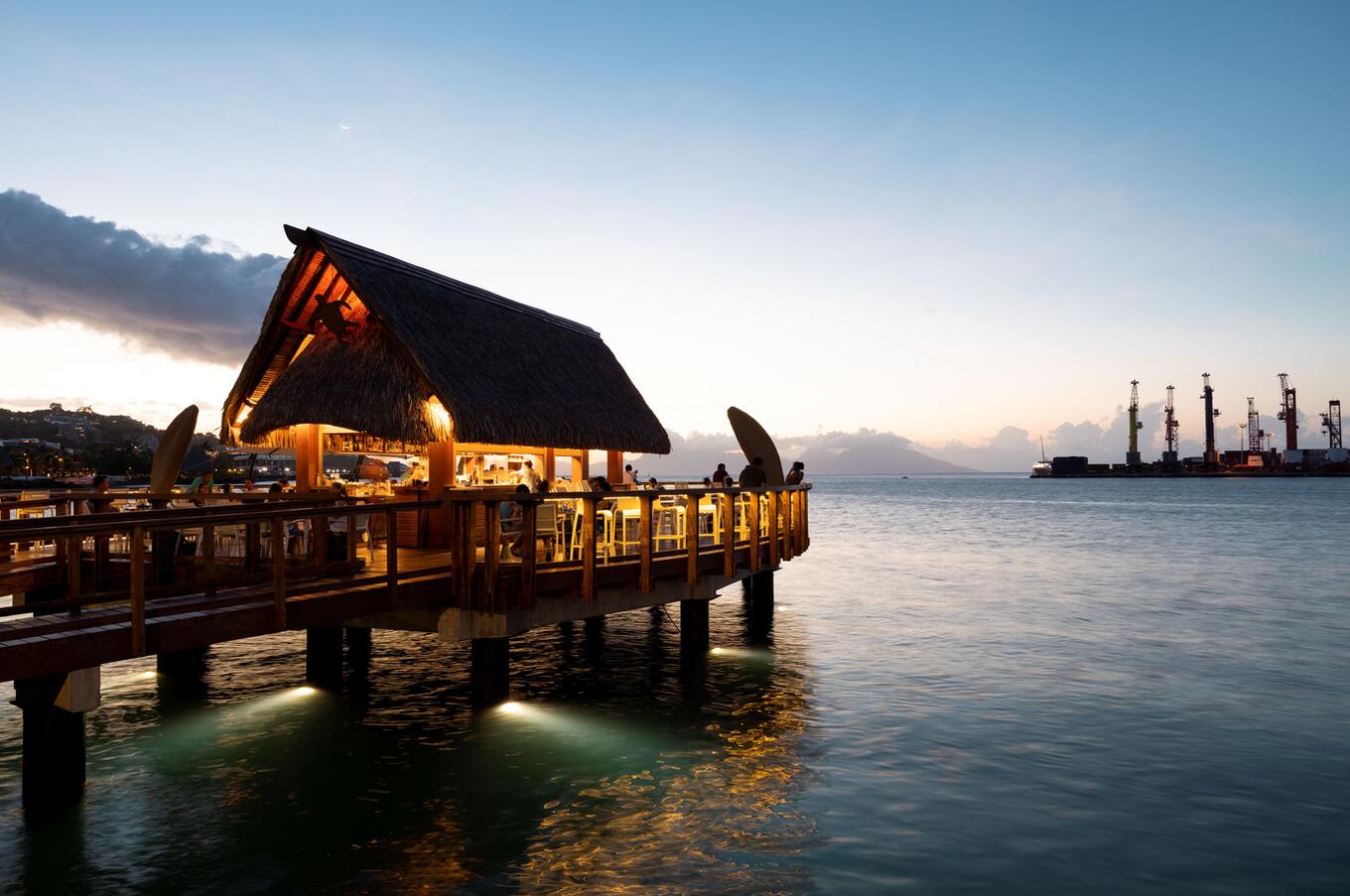
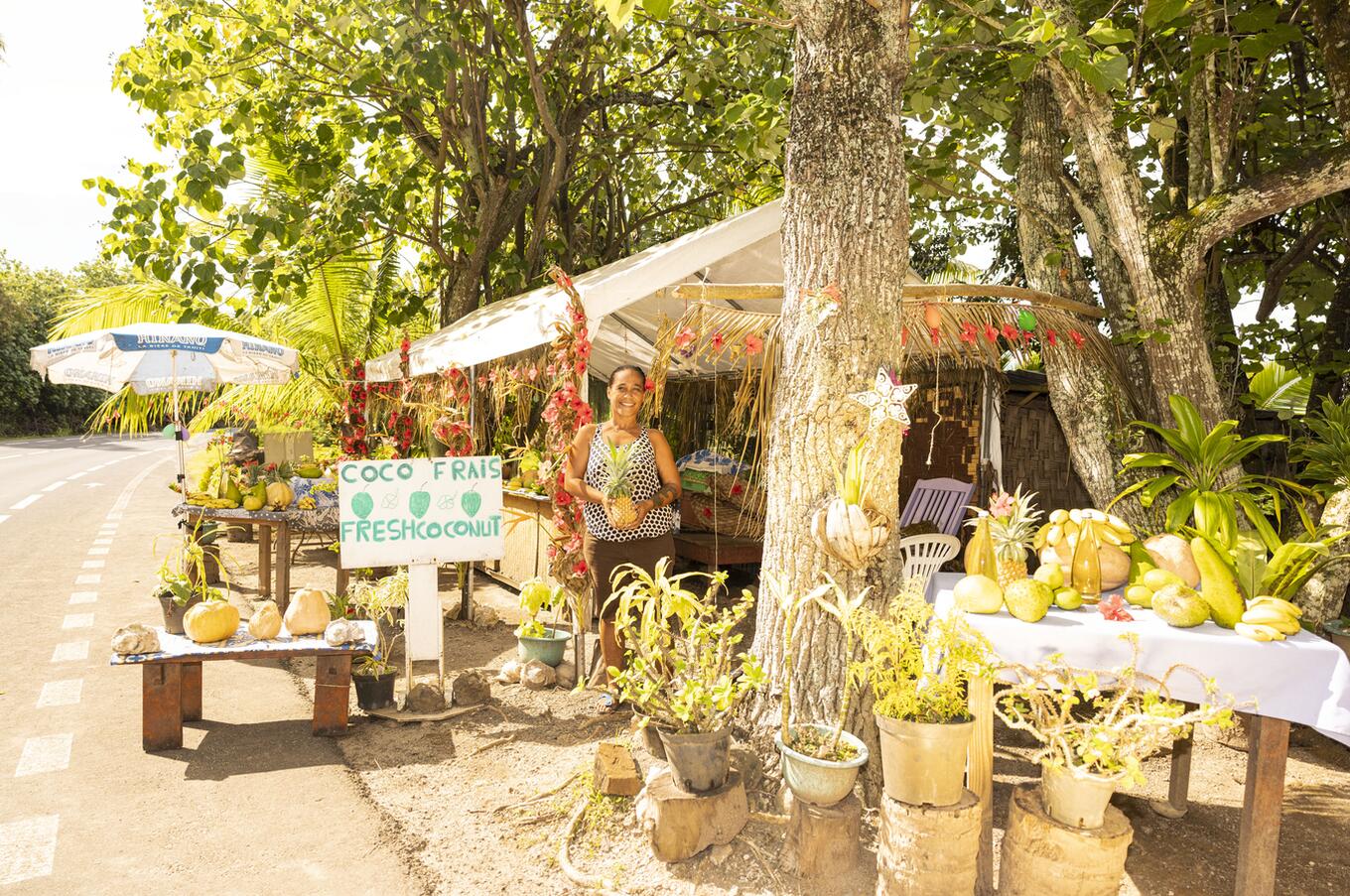
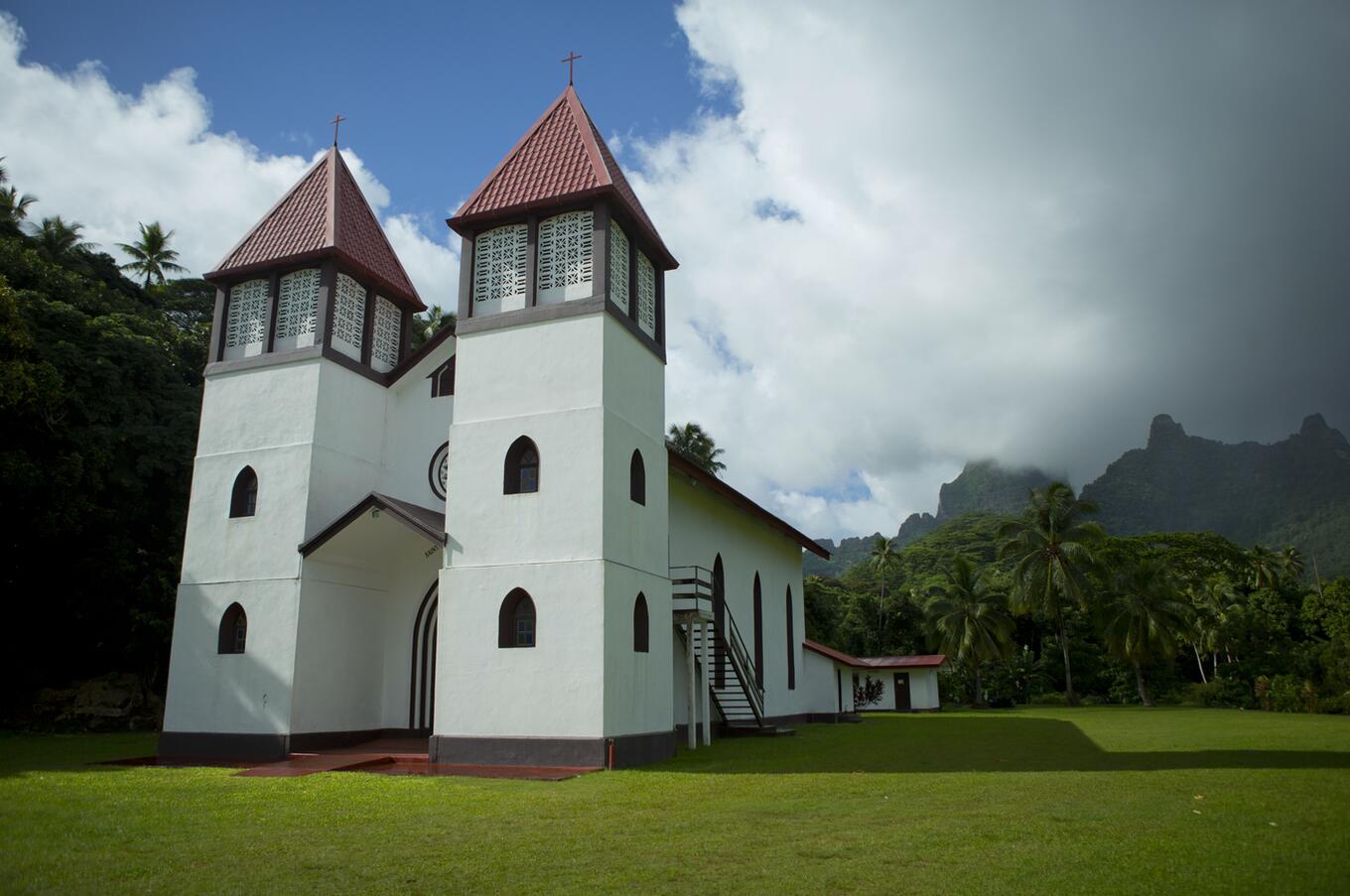
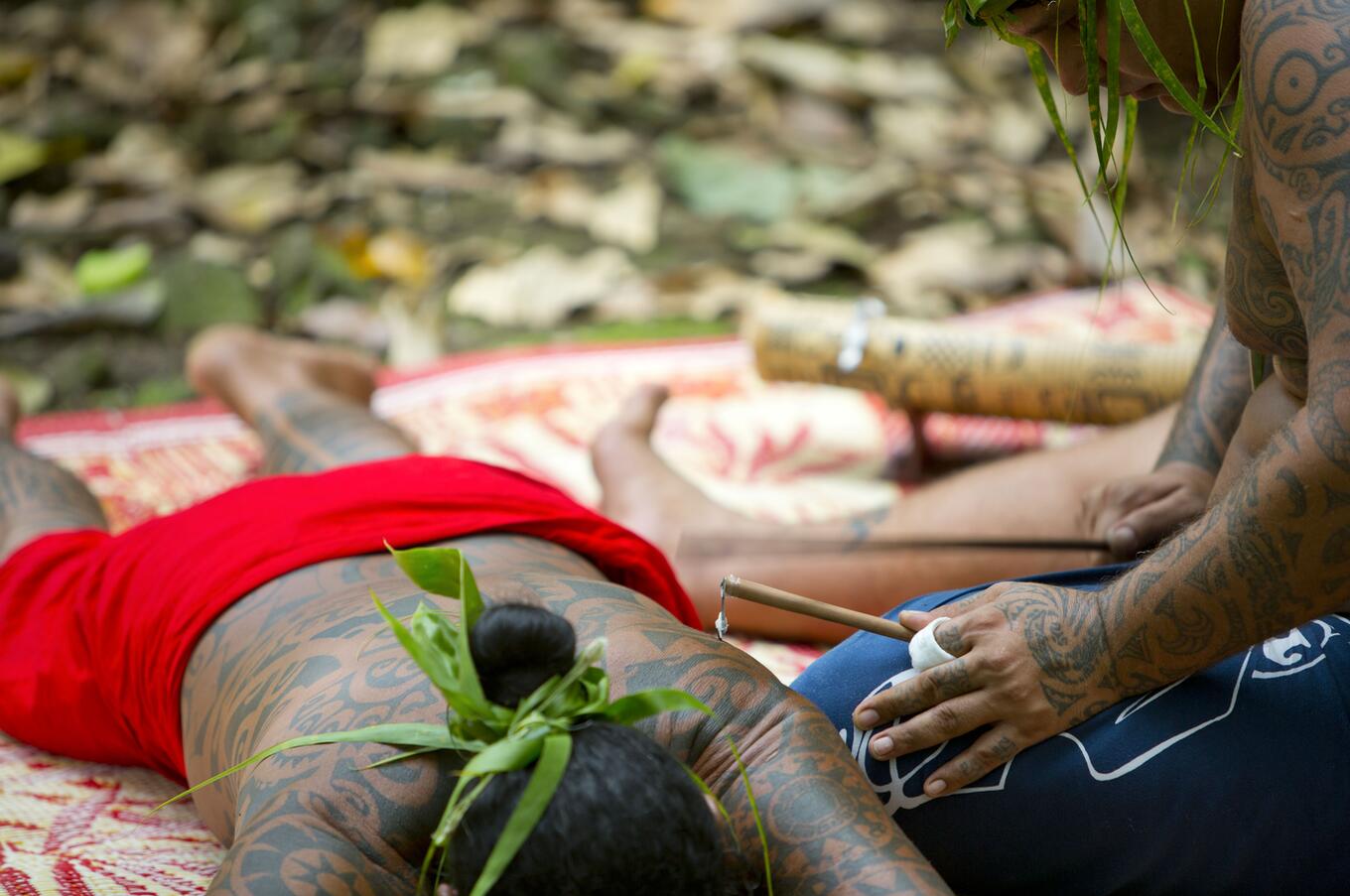
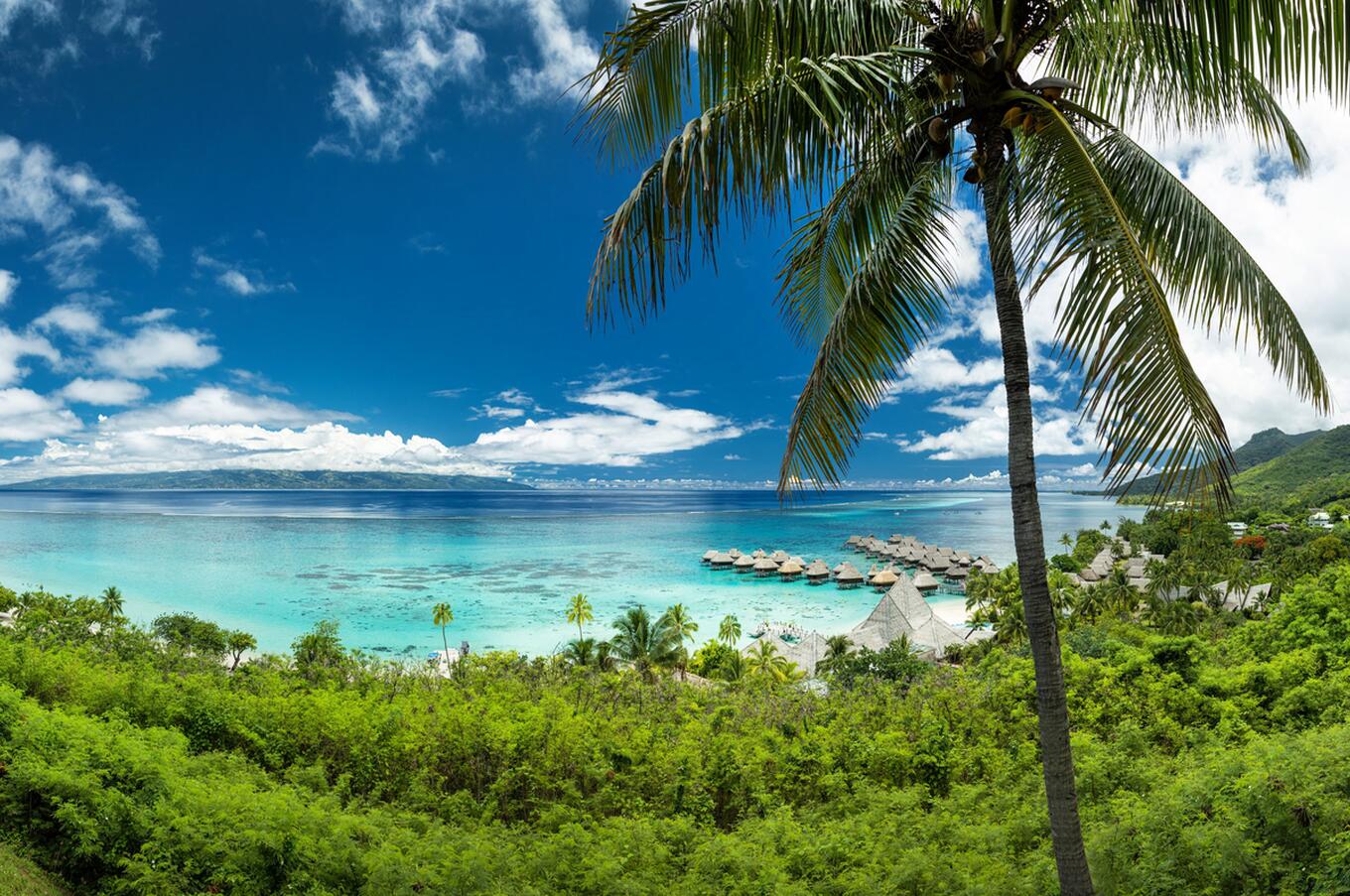
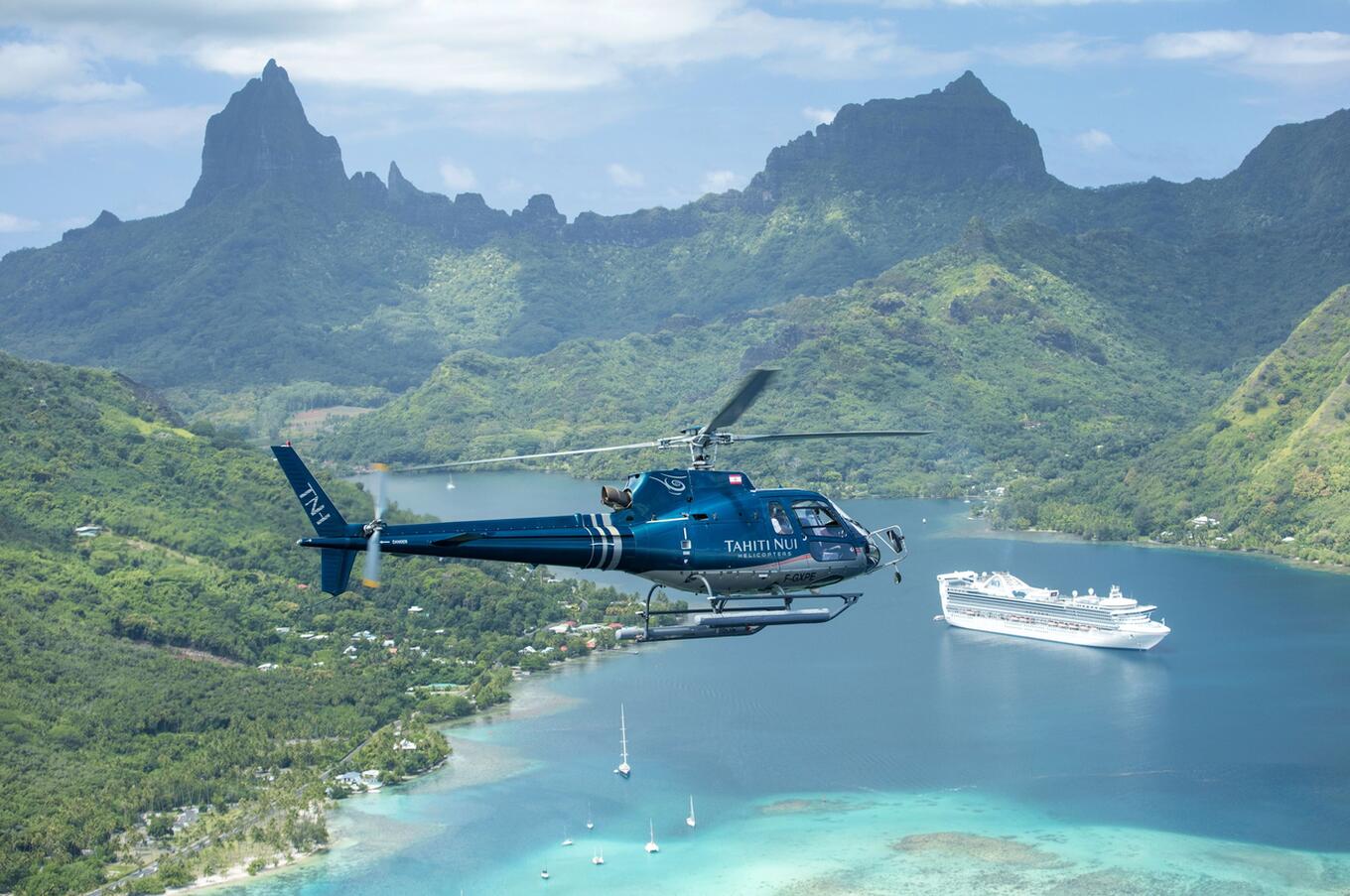
There’s a common temptation when traveling to places as extraordinary as French Polynesia: to believe that its beauty lies solely in what we can photograph.
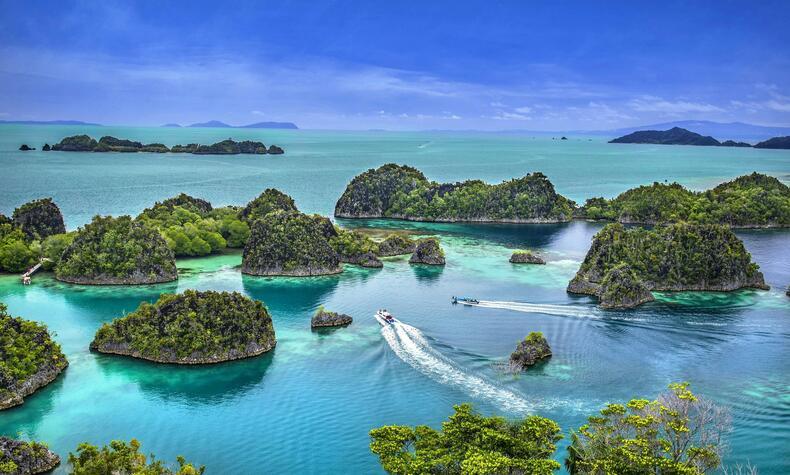
The impossibly blue lagoons of Bora Bora. The green mountains of Moorea. The atolls of the Tuamotu. The volcanic silhouettes of the Marquesas cutting against the horizon. But there is another Polynesia, much less obvious, that rarely appears in tourist brochures and is hardly ever discovered from the terrace of an overwater villa. It is the Polynesia of conversations, of families, of inherited customs, and of the little stories that explain how a community has learned to live.
The story of the māhū is one of them. Their existence reminds us that concepts we consider universal may, in reality, be cultural constructs. That there are many ways to understand identity, family, and the place each person occupies in society. Perhaps the person who greeted us with a smile when we arrived at the hotel didn’t intend to teach us anything at all. They were probably just doing their job. But we, without realizing it, had just discovered a small door leading to a different way of looking at the world.