
The great Indian Ocean, a civilization born of the ocean
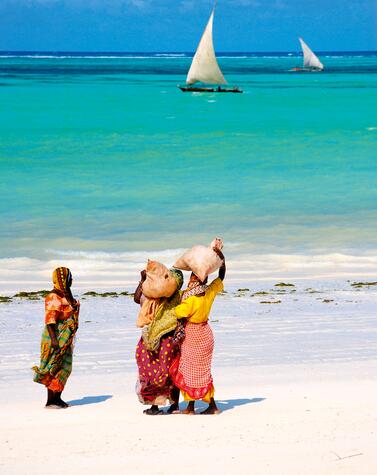
Long before the Age of Discovery, the Indian Ocean already connected Africa and Asia through a network of trade routes that gave rise to one of the great maritime civilizations in history.
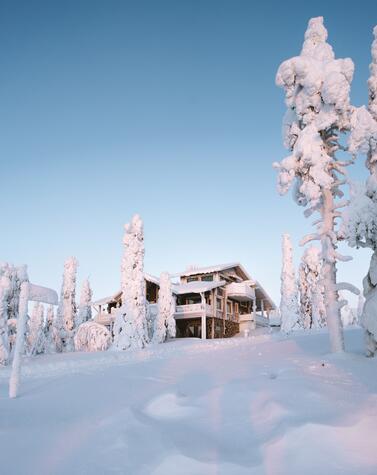
In the far north of Europe, between Norway, Sweden, Finland, and Russia, the Sámi people preserve a millennia-old culture and a way of understanding the land, identity, and the passage of time that predates today’s borders. A trip to Sápmi offers a chance to discover the history and traditions of the indigenous people of Lapland. In northern Scandinavia, winter transforms the landscape until it is almost unrecognizable. The birch forests are buried under the snow, the lakes become expanses of ice, and during the polar night, the sun remains hidden below the horizon. The silence, occasionally interrupted by the crunch of snow or the movement of an animal, seems to be part of the landscape itself.
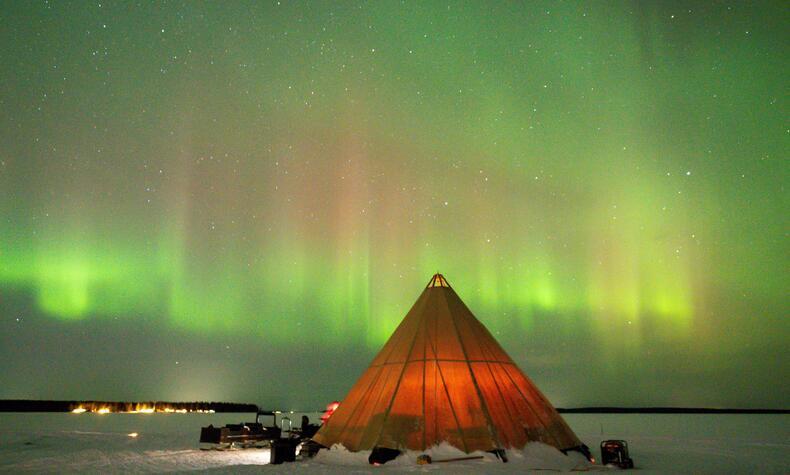
Every winter, thousands of travelers come to these latitudes, drawn by the Northern Lights, the snow-covered forests, and the chance to discover one of Europe’s last great wilderness areas. Few know, however, that these lands have a name that predates Lapland and a history far older than the borders that divide them today. They are called Sápmi. And they are the ancestral home of the Sámi.
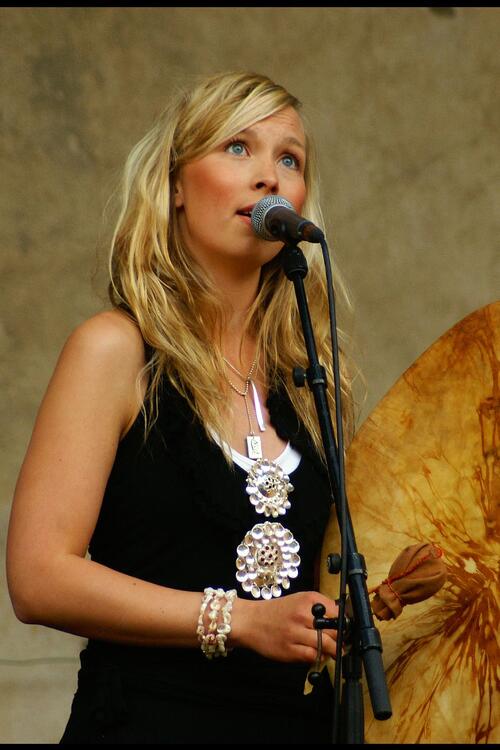
Among the most unique cultural expressions of the Sámi people is the joik, a traditional form of singing that has accompanied their communities for generations. What makes it unique is that it does not always aim to tell a story. A joik can evoke a person, an animal, or a place, conveying through the voice something of its character, presence, or memory. The melodies may be brief, repetitive, and seemingly simple, but they contain an emotional dimension that is difficult to convey in other musical forms. Some are passed down within families; others arise from personal experiences or a connection to specific landscapes.
During the processes of Christianization and cultural assimilation, the joik was persecuted or discouraged in various regions. However, it managed to survive and today forms part of a contemporary music scene in which Sámi artists combine their roots with new forms of musical expression. Its endurance serves as a reminder that traditions can transform and find new ways to be heard without losing their meaning.
The Sámi are the only recognized indigenous people in the European Union. Their traditional territory, known as Sápmi, stretches across northern Norway, Sweden and Finland, reaching as far as the Kola Peninsula in Russia. A vast region of the European Arctic that brings together diverse landscapes, languages, and traditions under a shared cultural identity. For generations, their communities have inhabited these regions, developing a relationship with the environment based on a precise understanding of its resources, seasons, and unique characteristics. Fishing, hunting, gathering, handicrafts, and reindeer herding have been part of different ways of life, adapted to territories that could be hundreds of kilometers apart.
For many of these communities, the territory was never merely an expanse of land delineated on a map. It was also a network of trails, fishing grounds, seasonal pastures, and places steeped in family history. National borders came much later, and with them, new laws and restrictions that transformed the mobility and organization of these communities. The territories used for generations were divided among states, disrupting traditional routes and ways of utilizing resources. Today, Sápmi remains the name of a shared cultural territory that transcends administrative divisions. It is a geography understood by observing its mountains and rivers, but also by listening to the stories of those who have traveled them for generations.
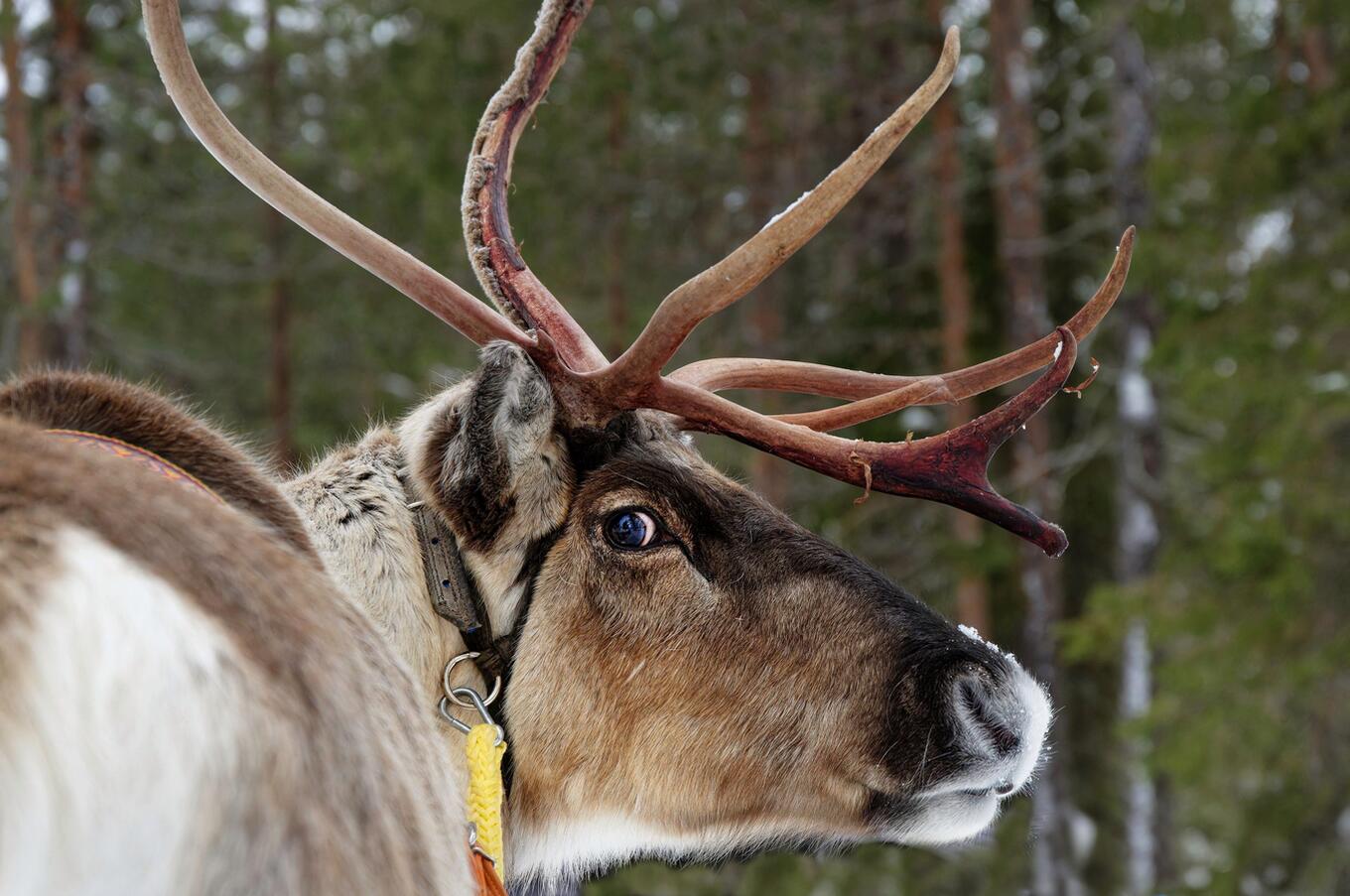
The reindeer holds a unique place in Sámi history and culture. For centuries, its presence has been linked to food, transportation, the making of clothing and tools, as well as the livelihoods of many families. Reindeer herding, still practiced in various regions of Sápmi, requires much more than simply driving a herd from one place to another. It requires knowing the migration routes, interpreting snow conditions, and recognizing the changes that determine when the animals can find food.
In some Sámi traditions related to this activity, the year is divided into eight seasons, rather than the four customary in much of Europe. This way of organizing the calendar reflects the cycles of nature and allows for a more precise distinction between the periods that mark the life of reindeer and the work of those who care for them. The arrival of spring, the birth of calves, the summer migrations, changes in grazing grounds, and the first snows thus take on their own significance. Each transition heralds new tasks and requires decisions based on knowledge accumulated over centuries. This knowledge has traditionally been passed down from generation to generation, often within community structures such as the siida, which organizes specific forms of cooperation among families and herders.
It is worth remembering, however, that Sámi society is far more diverse than the common images of Lapland suggest. Not all Sámi are herders, nor do they all share the same customs. There are coastal communities, city dwellers, and professionals in all fields.
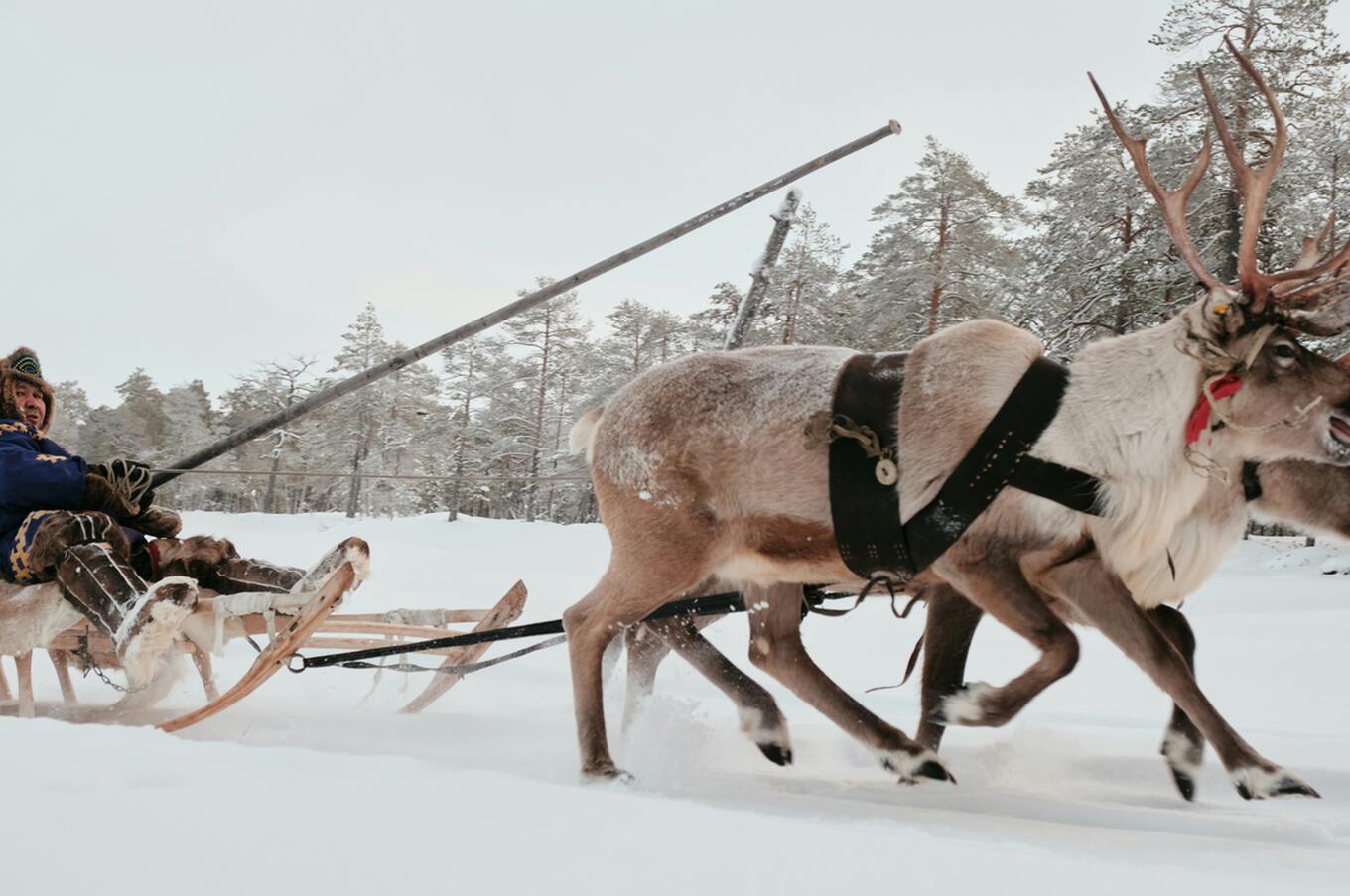
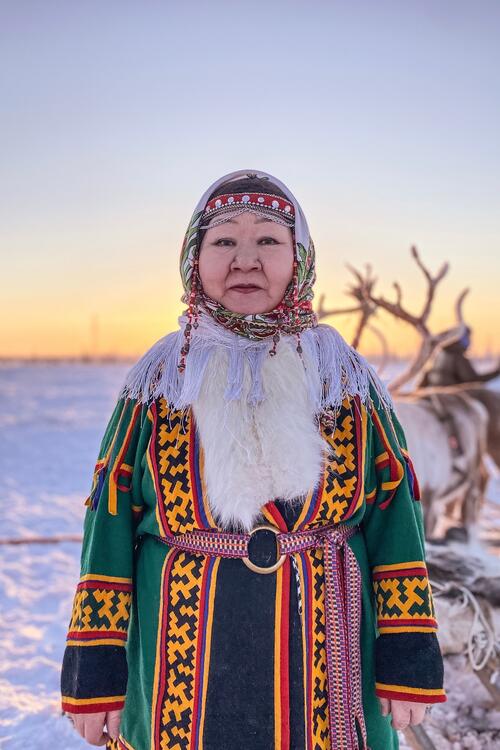
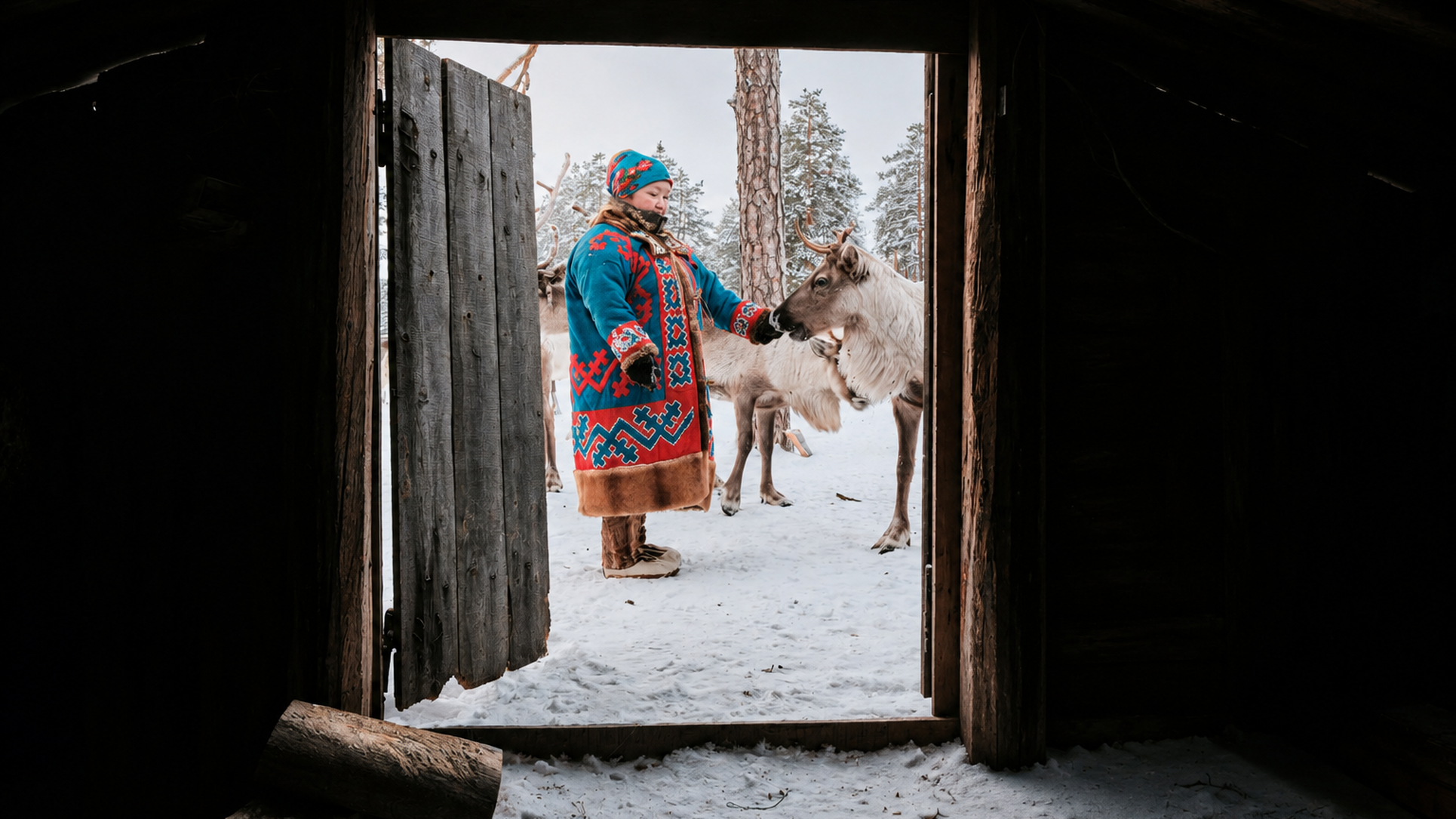
Amid the starkness of the winter landscape, traditional Sámi clothing introduces an unexpected burst of color. Deep blue, red, yellow, and green appear in various combinations on tunics, hats, and accessories. It is the gákti, a garment whose cuts, fabrics, and details can identify the region of origin and specific family traditions of the wearer. Although its forms vary considerably among communities, the gákti is one of the most visible expressions of Sámi identity and continues to be worn at celebrations, family events, and special occasions.
There is something curiously familiar about its colors and some of its silhouettes. So much so that it has been suggested that Sámi clothing may have inspired certain modern depictions of Santa’s little helpers. The resemblance is striking, although there is no sufficiently proven direct historical connection. The association, however, invites reflection: millions of people immediately recognize the Christmas imagery of Lapland, yet are almost completely unaware of the culture of those who inhabited these lands long before they became one of Europe’s most popular winter destinations.
During the 19th and 20th centuries, assimilation policies promoted by various governments restricted the use of the Sámi languages and encouraged the replacement of numerous traditional customs. At certain times, many children attended schools that discouraged or prohibited the use of their native language. Those measures had consequences that are still felt in some families, where the transmission of the language was interrupted for generations.
Cultural revival has taken on growing importance in recent decades. The Sámi parliaments of Norway, Sweden, and Finland, along with educational institutions and community initiatives, are helping to preserve their languages, knowledge, and artistic expressions. Contemporary Sámi identity is also expressed through literature, film, design, music, and the daily life of a diverse society, whose members participate fully in today’s world without necessarily renouncing their roots.
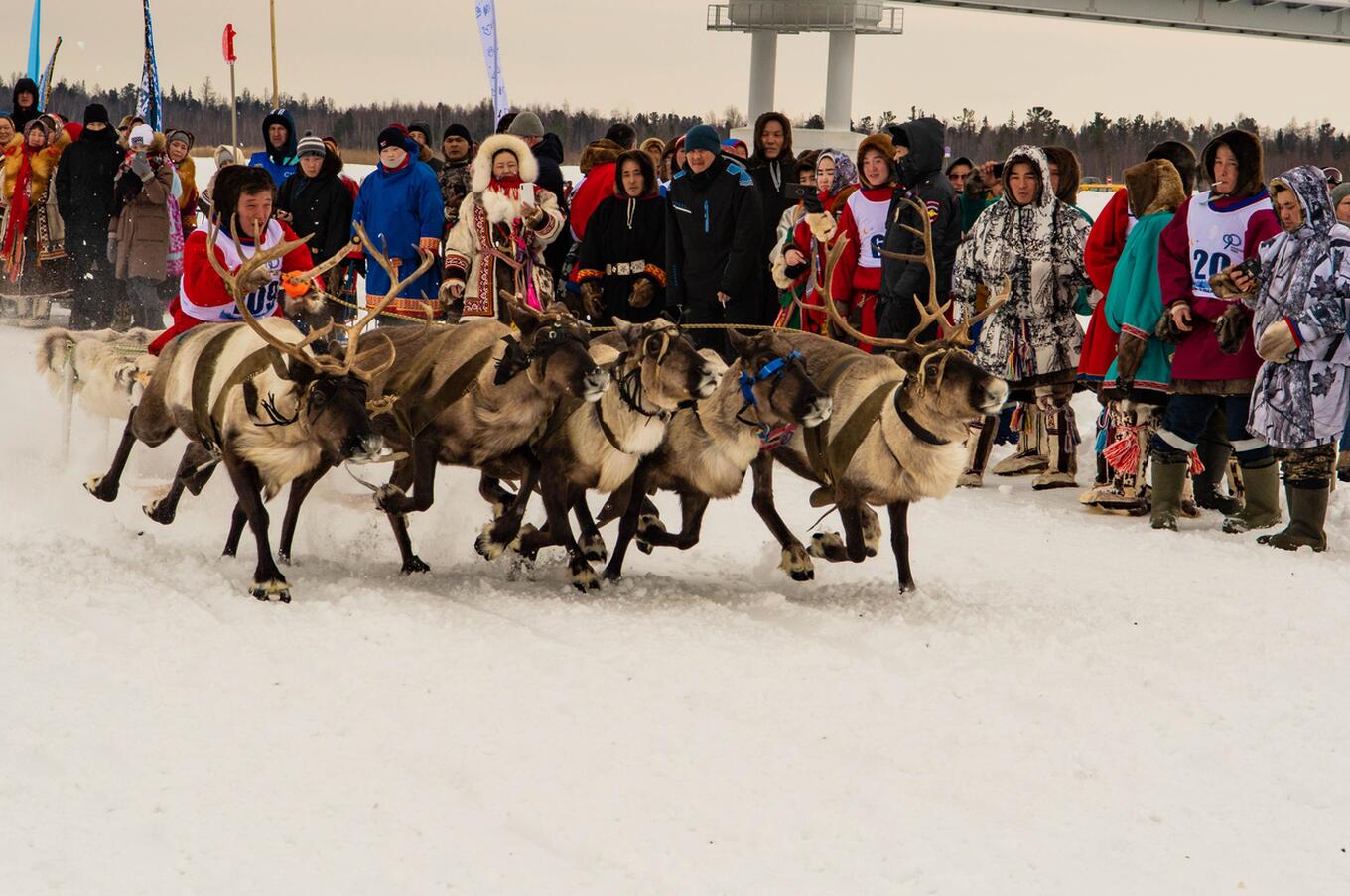
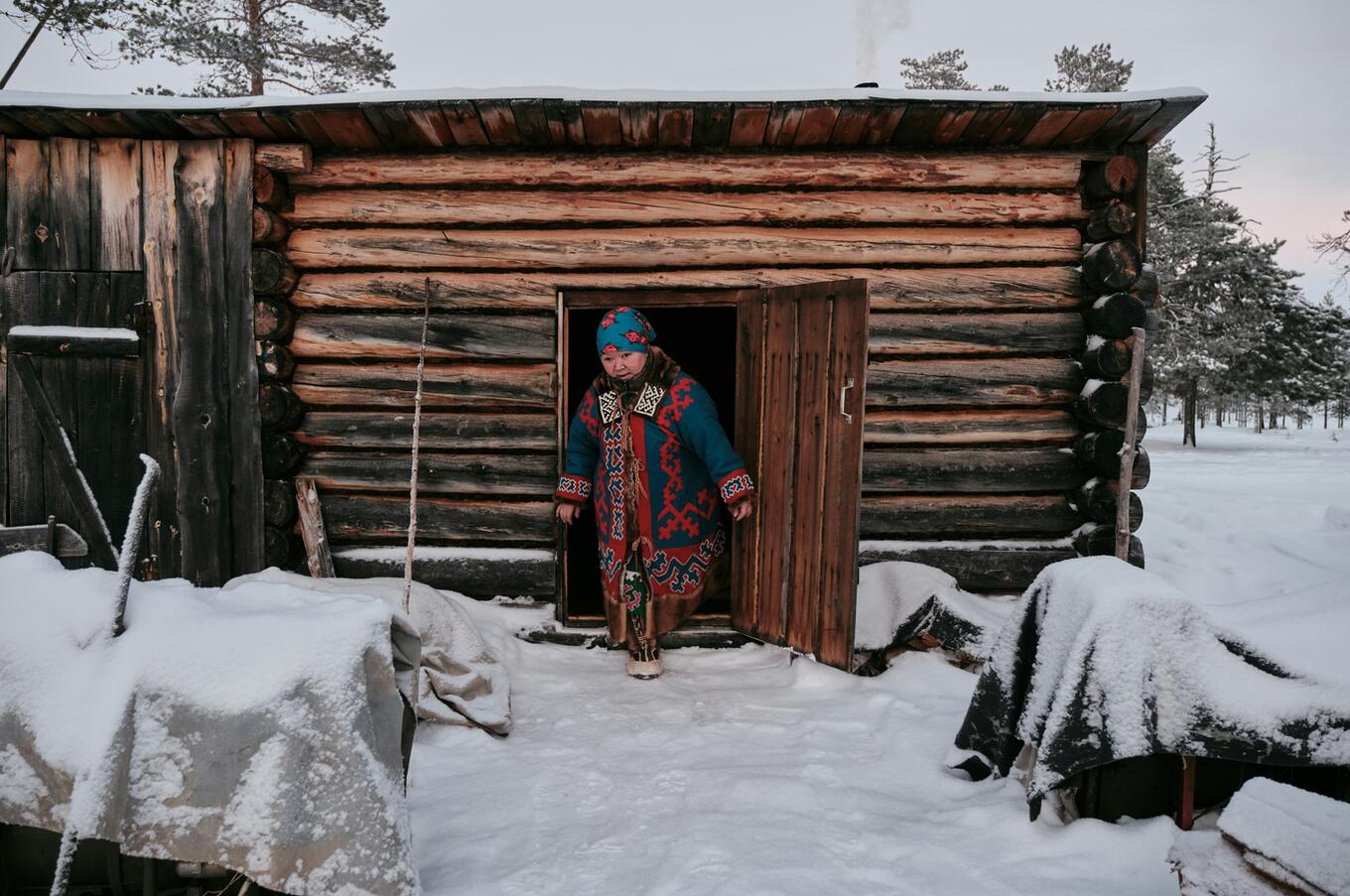
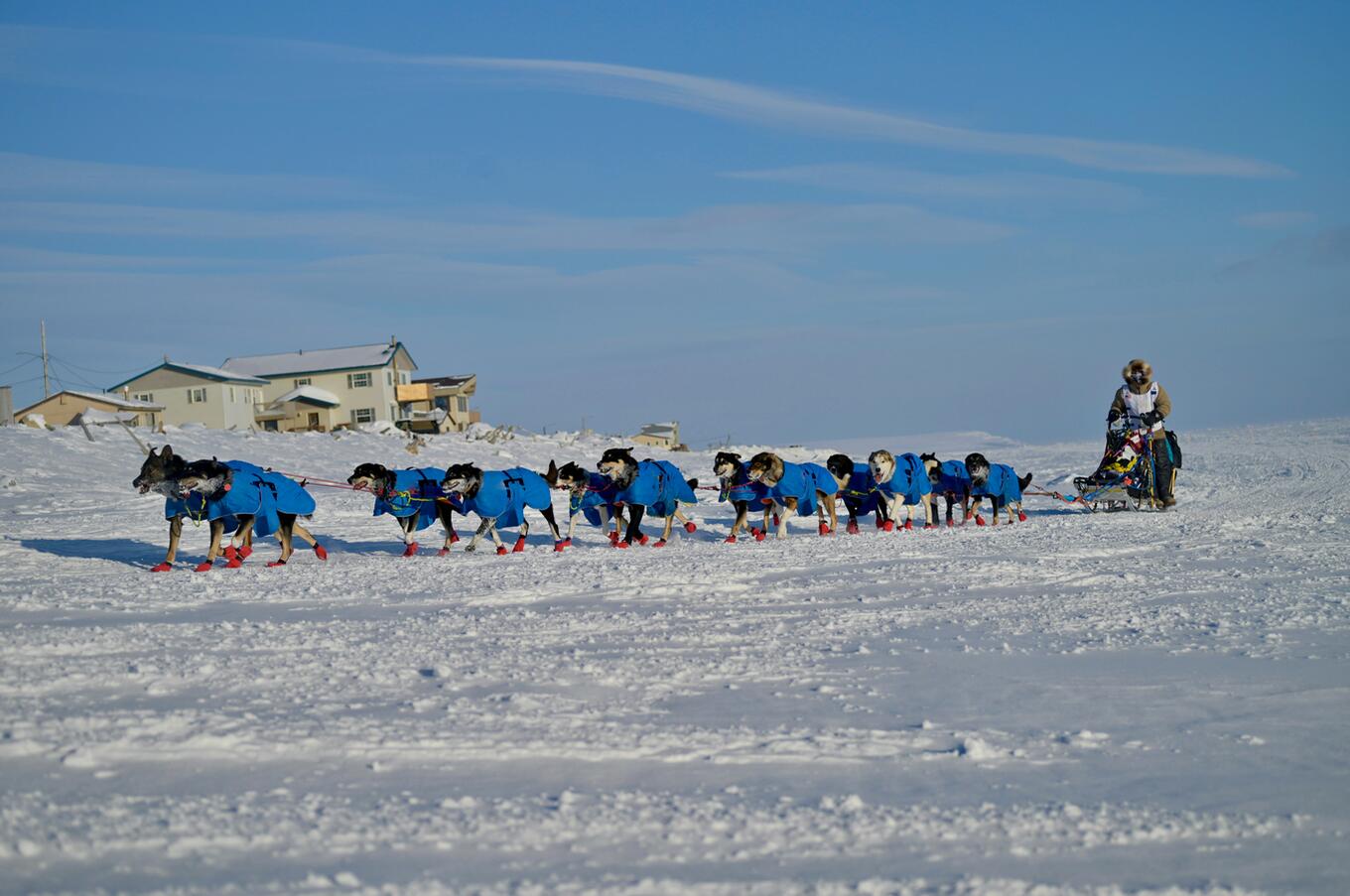
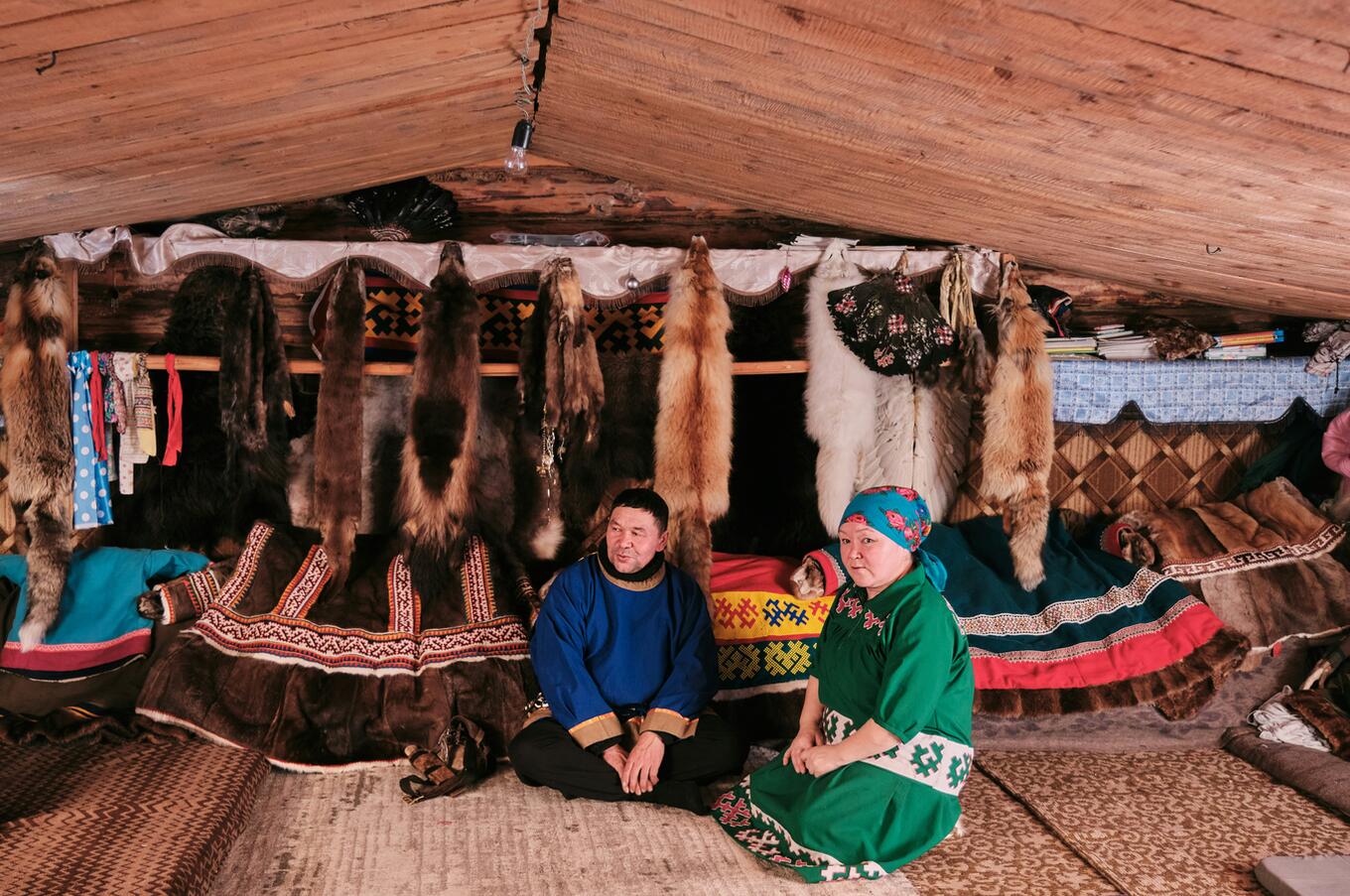
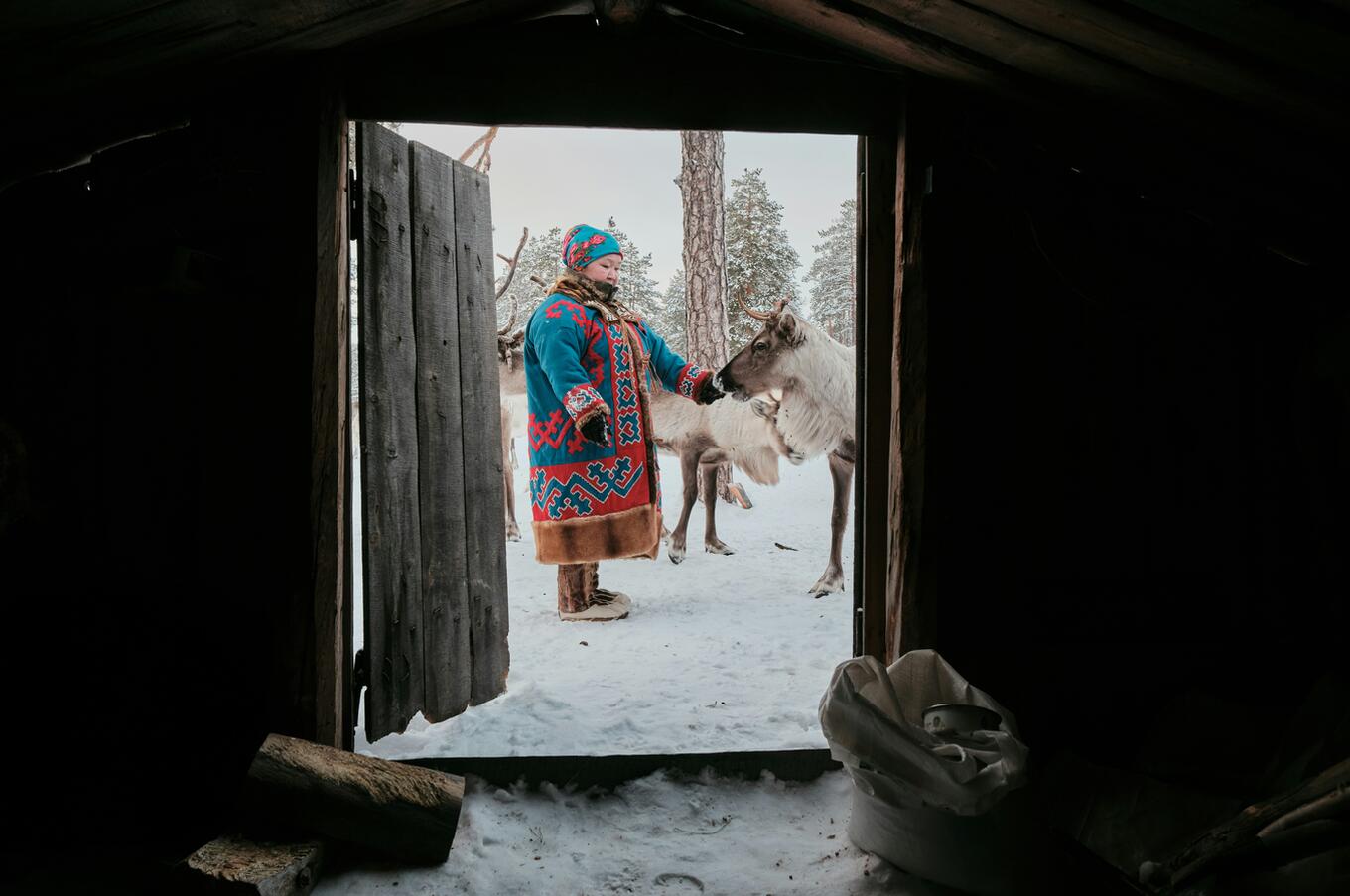
Traditional craftsmanship, known as duodji, offers a good example. Objects crafted from wood, leather, antler, or textiles draw on knowledge passed down through generations, yet continue to evolve in the hands of contemporary artisans and creators. Duodji brings together techniques, materials, and forms closely linked to the natural environment. Many of these objects were originally created for practical purposes, though today they also play a significant role in artistic creation and the expression of Sámi cultural identity.
Northern Europe possesses an extraordinary ability to spark the imagination. The Northern Lights, the polar darkness, and the snow-covered landscapes have for decades fueled an image of Lapland associated with mystery, adventure, and nature. Perhaps traveling is also about discovering that the places we consider extraordinary are, for others, the setting for a daily life that deserves to be known, understood, and respected.