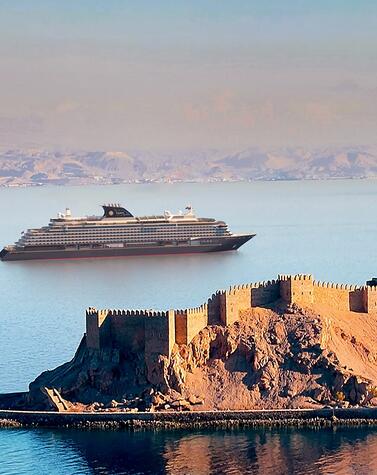
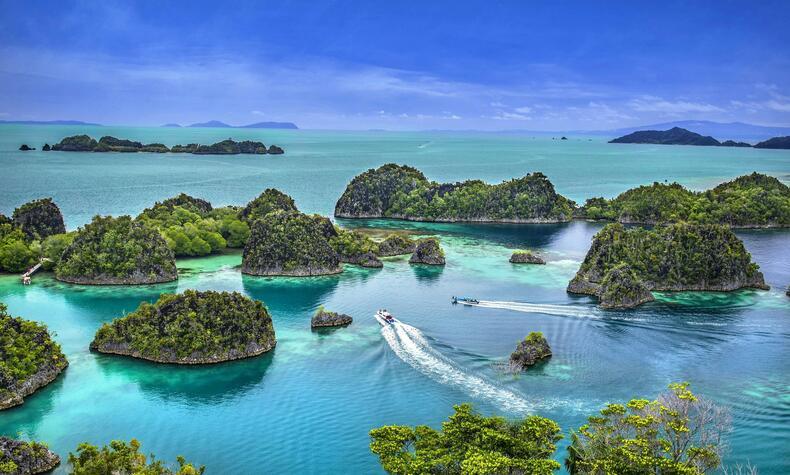
Raja Ampat, Indonesia: where the waters began
Deep in West Papua's crystal-clear waters, Raja Ampat shelters the richest marine ecosystem on Earth, a remote, sacred archipelago where true luxury is measured in silence and biodiversity.
Long before the great European maritime empires existed, the Indian Ocean was already the largest trade network on the planet. For more than two thousand years, the monsoon winds shaped the calendar of Arab merchants, Indian navigators, Chinese sailors, Persian traders, and African communities who shared the same maritime space.
Those routes carried religions, languages, navigation techniques, methods of city-building, and ways of understanding the world. The result was an oceanic civilization whose legacy remains visible from Zanzibar to Malacca, from Goa to the Seychelles.
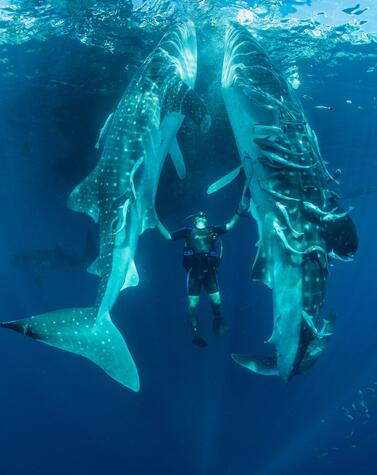
The Indian Ocean is often associated with beaches, coral reefs, and some of the most spectacular hotels on the planet. Its history reveals a much greater dimension. Some of the most prosperous trading cities of the Middle Ages sprang up along its coasts. Its currents continue to guide the migrations of giant tortoises, whale sharks, and oceanic manta rays. Its ports preserve the memory of the Portuguese, Arabs, Persians, Africans, and Indians who built a shared culture.
Exploring the Indian Ocean allows us to understand it as a unique cultural landscape, a territory where history, nature, and navigation are all part of the same narrative.
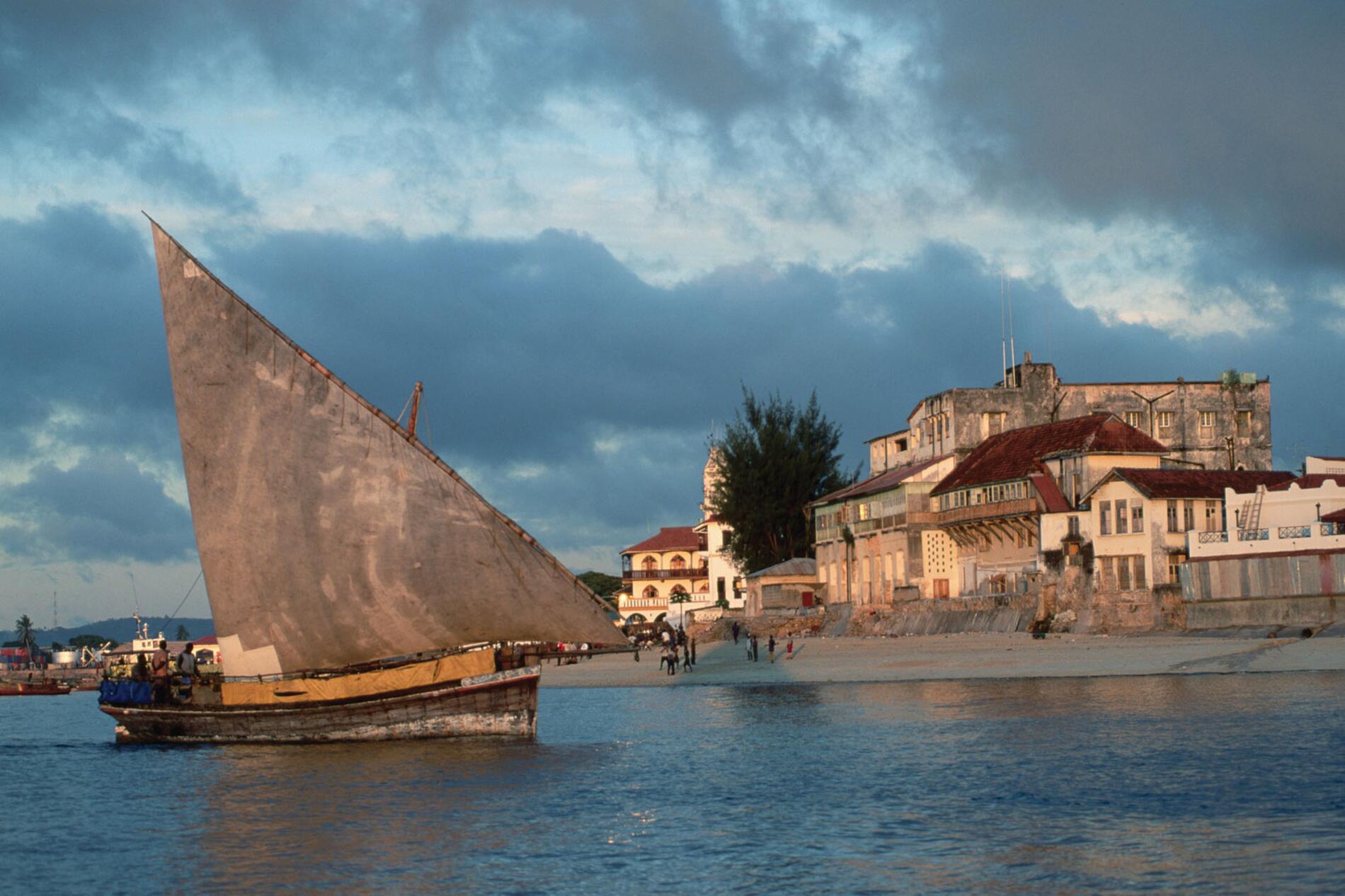
When the Moroccan traveler Ibn Battuta landed in Kilwa Kisiwani, off the coast of present-day Tanzania, in 1331, he found a city he described as one of the most beautiful in the Islamic world. Its palaces were built of coral blocks, mosques overlooked the harbor, and merchants arrived from Arabia, Persia, India, and China.
Seven hundred years ago, Kilwa was one of the most powerful cities in East Africa. From there, gold from the continent’s interior, ivory, wood, rock crystal, and iron were shipped to markets in Asia. In the opposite direction came Chinese porcelain, silks, spices, and textiles that transformed the way of life of the Swahili elites.
Archaeological excavations have uncovered ceramic fragments from the Song, Yuan, and Ming dynasties. Each piece serves as material evidence of the extent of those routes: East Africa was commercially connected to China several centuries before Europeans began sailing regularly across the Indian Ocean.
Across thousands of kilometers, a constellation of ports emerged, linked by the same monsoon cycle: Mombasa, Malindi, Sofala, Zanzibar, Calicut, Cochin, Hormuz, and Malacca. Goods, people, and ideas moved from port to port, taking advantage of the periodic shift in the monsoons.
In 1498, Vasco da Gama reached India after rounding the Cape of Good Hope. The Portuguese arrival ushered in a new era. Fortresses, trading posts, and artillery began to be integrated into a commercial system that had been operating for centuries between Africa and Asia.
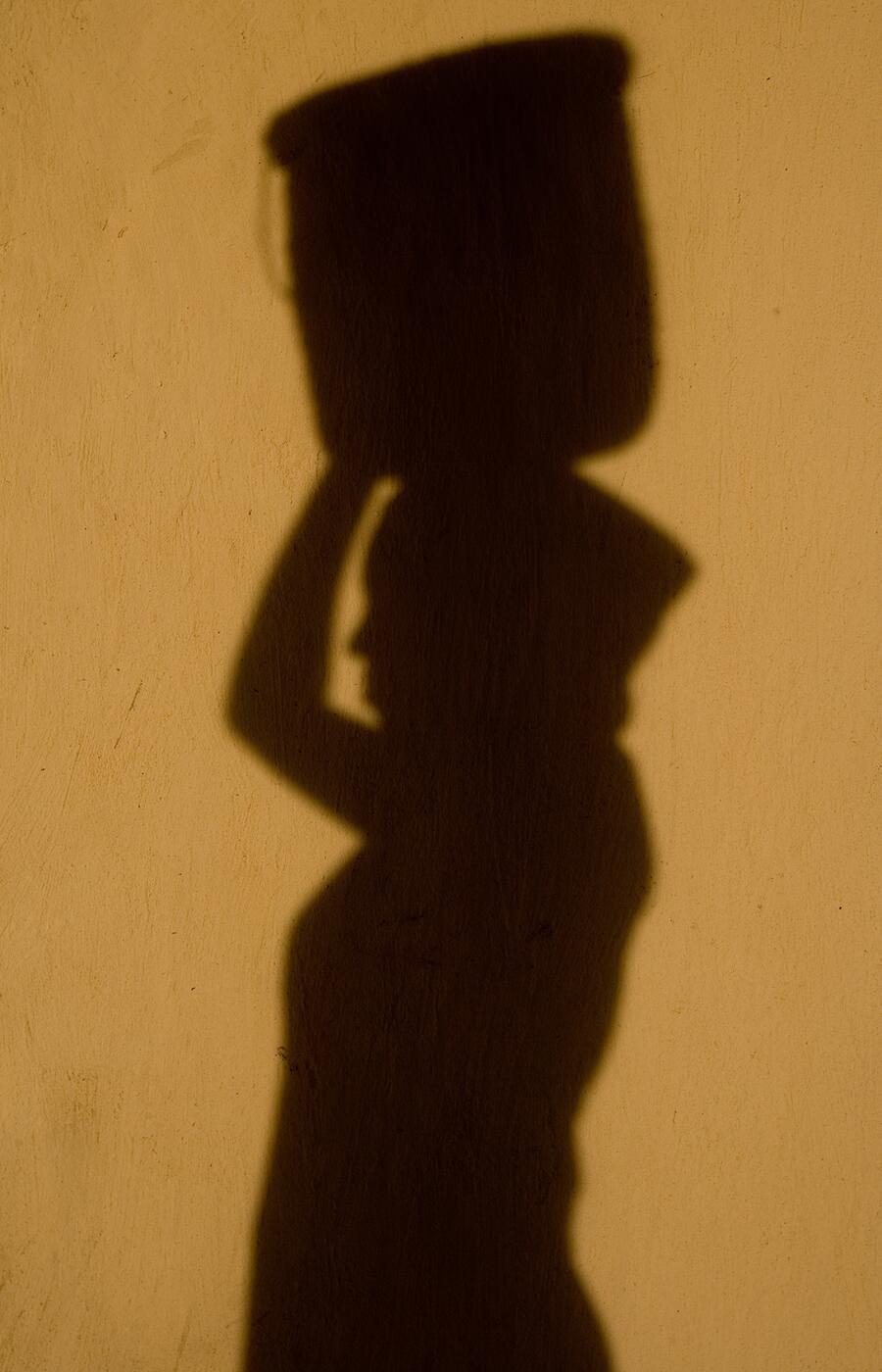
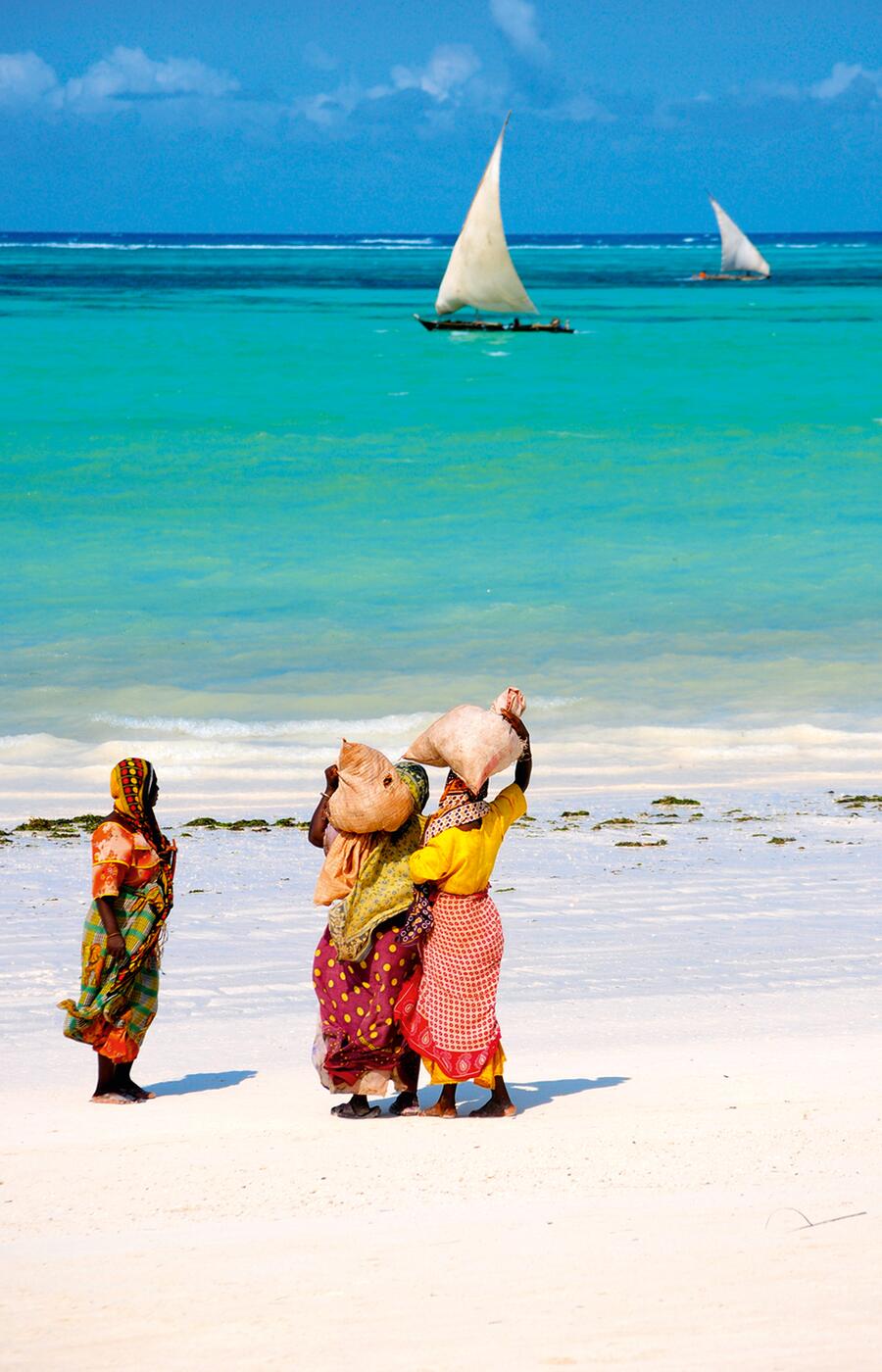
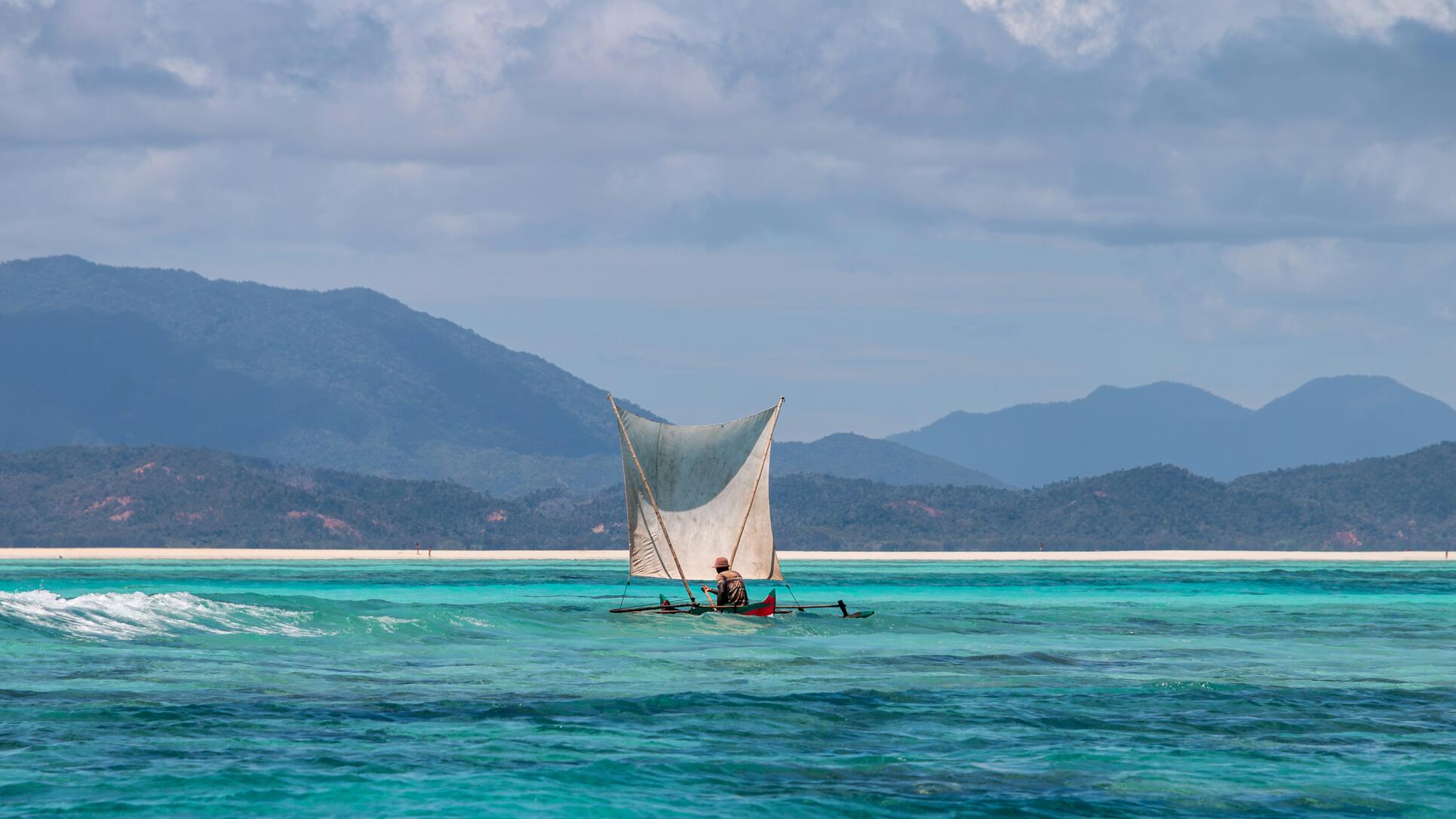
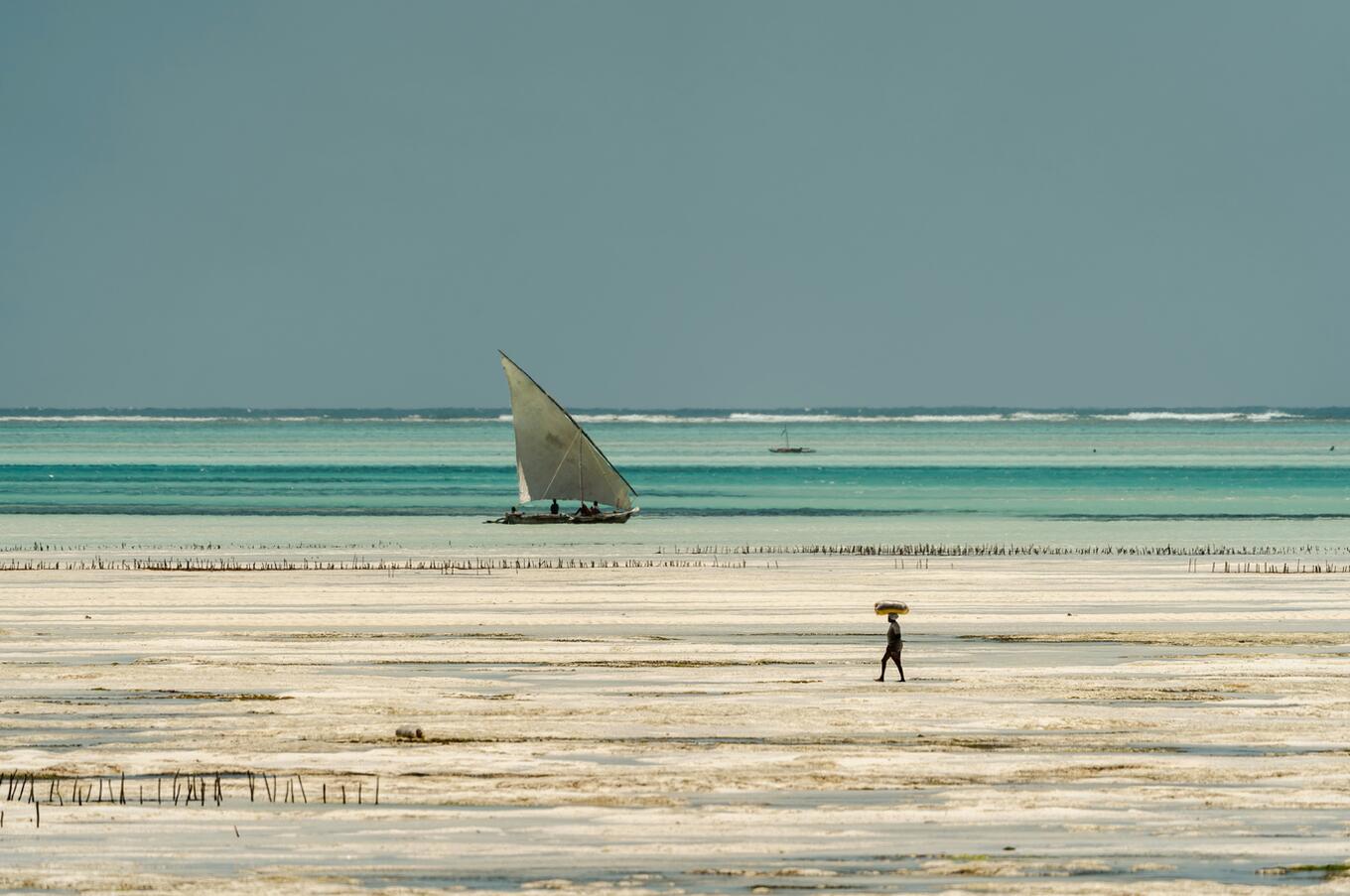
Twice a year, the ocean changes direction. Between May and September, the monsoon winds blow from the southwest and push ships toward Arabia, Persia, and India. Months later, between November and March, the wind shifts nearly 180 degrees and clears the way back to the African coast. Few regions on the planet offer such atmospheric regularity, and for more than two thousand years, that predictability turned the Indian Ocean into the greatest maritime highway of antiquity.
The wind dictated schedules, determined when to set sail and when to wait, set the pace of harvests, and shaped trade between ports separated by thousands of kilometers. A merchant leaving Zanzibar knew that, once he reached India, he would have to stay there for several months until the monsoon changed direction and allowed him to return.
Those long waits transformed the history of the ocean. Merchants rented homes, learned languages, married local women, and established permanent businesses. Their children grew up amid multiple languages and religions. Cities grew accustomed to hosting foreigners who stayed for entire seasons. This is how some of the most cosmopolitan societies of the medieval world came into being, centuries before contemporary globalization.
Travelers can still recognize that legacy today. In the narrow streets of Stone Town, in Zanzibar, words of Arabic, Persian, Portuguese, and Indian origin, incorporated into Swahili, echo. In Goa, Baroque churches stand side by side with Hindu temples. In Galle, in southern Sri Lanka, Portuguese surnames such as Perera, Fernando, and De Mel survive, passed down by families whose history reflects centuries of exchange between Europe and Asia.
The monsoons provided the Indian Ocean with more than just a shipping route. Their periodic rhythm created the time needed for traders, languages, religions, and customs to travel from one shore to the other and eventually form a shared maritime culture.
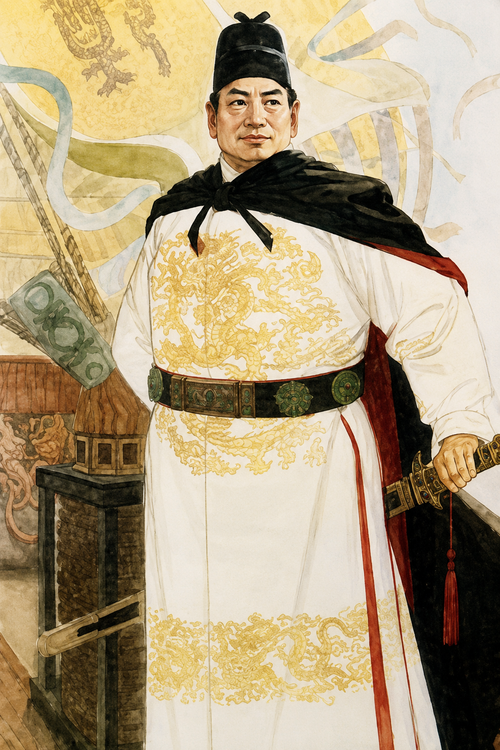
Zheng He (1371–1433) was the Chinese admiral who led the great maritime expeditions of the Ming Dynasty. Nearly a century before Vasco da Gama reached India, his fleets were already traversing the Indian Ocean from Southeast Asia to Arabia and the eastern coast of Africa.
Between 1405 and 1433, he led seven expeditions. The first brought together hundreds of ships and nearly 28,000 men, including sailors, soldiers, interpreters, doctors, astronomers, and artisans. His missions sought to establish alliances, exchange ambassadors, and project the power of Ming China through a vast diplomatic and commercial network.
One of the most extraordinary episodes occurred in 1414, when one of those missions returned to China with a giraffe from East Africa. At the imperial court, it was identified as the qilin, a creature from Chinese tradition associated with prosperity and good governance.
After the last expedition, China gradually abandoned those great ocean voyages. For centuries, Zheng He remained in the background compared to the European narrative of the Age of Discovery, although his voyages demonstrate just how connected the Indian Ocean region already was before Portuguese expansion.
For centuries, the Indian Ocean fostered a constant blending of cultures, religions, and languages. Portuguese sailors settled in Goa, Arab traders raised families in Zanzibar, and Indian merchants established communities along the African coast. Trade routes eventually became cultural and human routes as well.
In Stone Town, Zanzibar, carved wooden doors blend Arab, Indian, and European influences, while Swahili retains words from various Indian Ocean cultures. More than six thousand kilometers away, the Baroque churches of Goa and surnames such as Fernandes, D’Souza, Rodrigues, or Carvalho are a reminder of several centuries of Portuguese presence. A similar legacy remains in Sri Lanka with surnames such as Perera or Fernando.
One of the most remarkable episodes occurred in 1661. Bombay passed from Portugal to the English Crown as part of the dowry of Catherine of Braganza upon her marriage to Charles II of England. A matrimonial decision would ultimately have extraordinary consequences for the future of the city we know today as Mumbai.
Ports, languages, surnames, and architecture thus preserve the memory of a civilization built over centuries on both sides of the ocean.
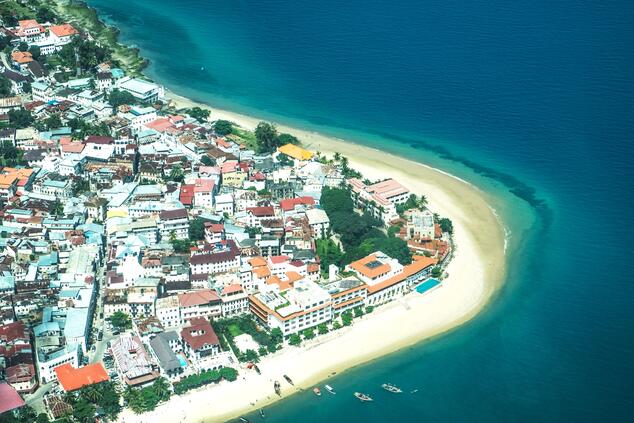

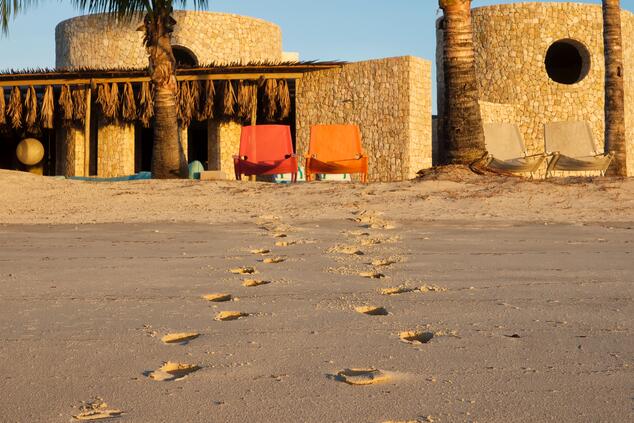
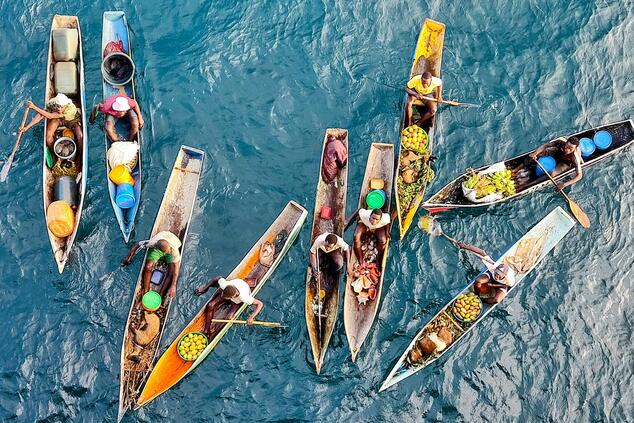
For centuries, the Indian Ocean was the center of a vast trade network. Today, nearly one-third of global maritime traffic passes through its waters, and a network of undersea cables digitally connects Europe, Africa, and Asia. The ancient monsoon routes have changed, but the ocean continues to play the same role: connecting continents.
The way we travel through it has also changed. Beyond its beaches and reefs, understanding the Indian Ocean means discovering historic cities, cultures born of exchange, extraordinary ecosystems, and the traces of those who sailed these waters for centuries.
Every port and every island is part of a shared history that began long before today’s borders existed. The Indian Ocean has been, and continues to be, one of the world’s great maritime civilizations.