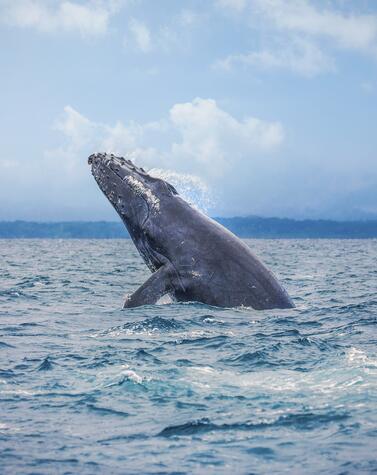
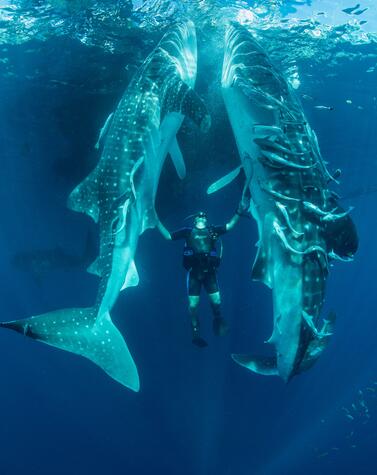

Raja Ampat, Indonesia: Where the Waters Began
Deep in West Papua's crystal-clear waters, Raja Ampat shelters the richest marine ecosystem on Earth, a remote, sacred archipelago where true luxury is measured in silence and biodiversity.
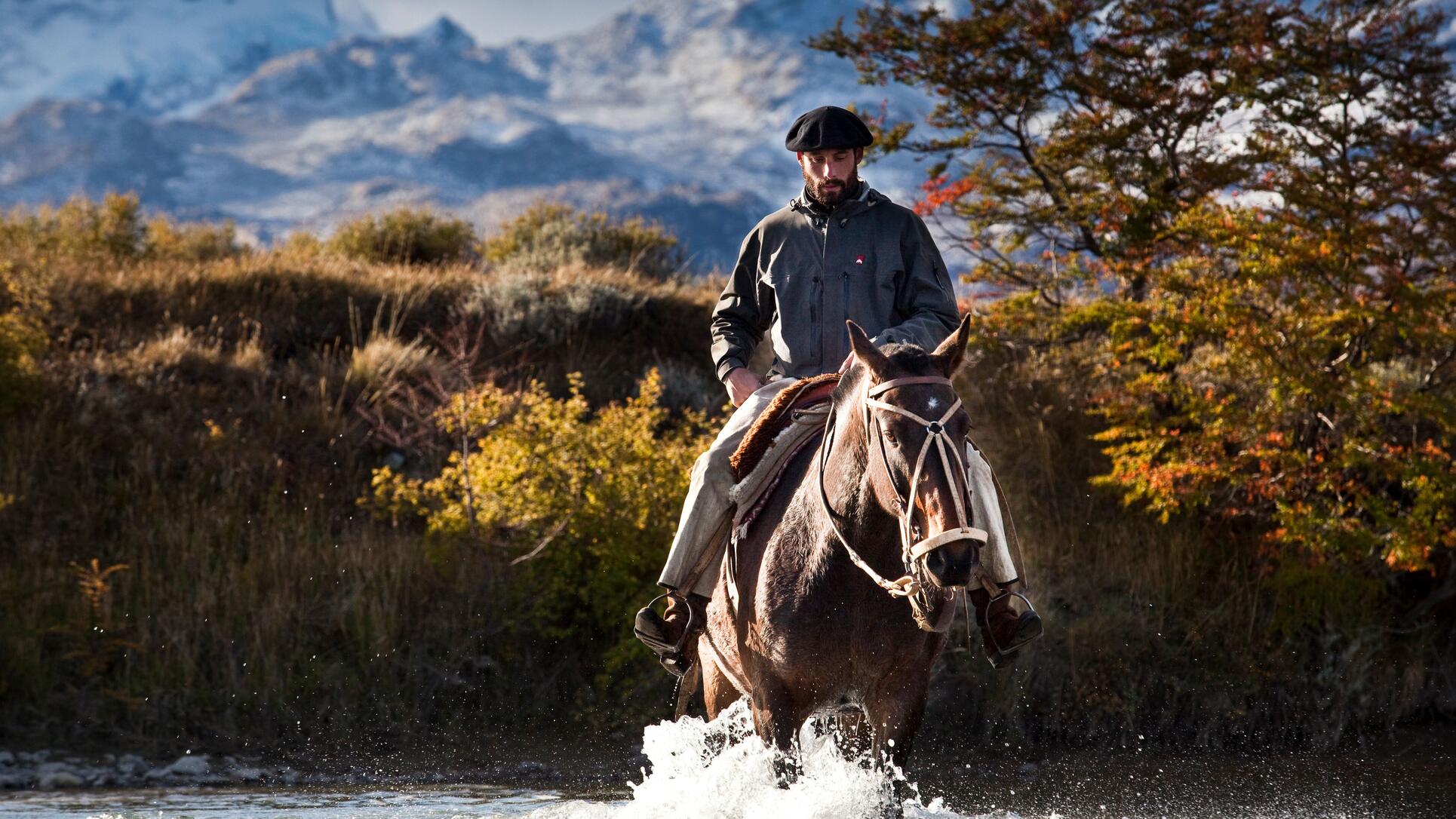
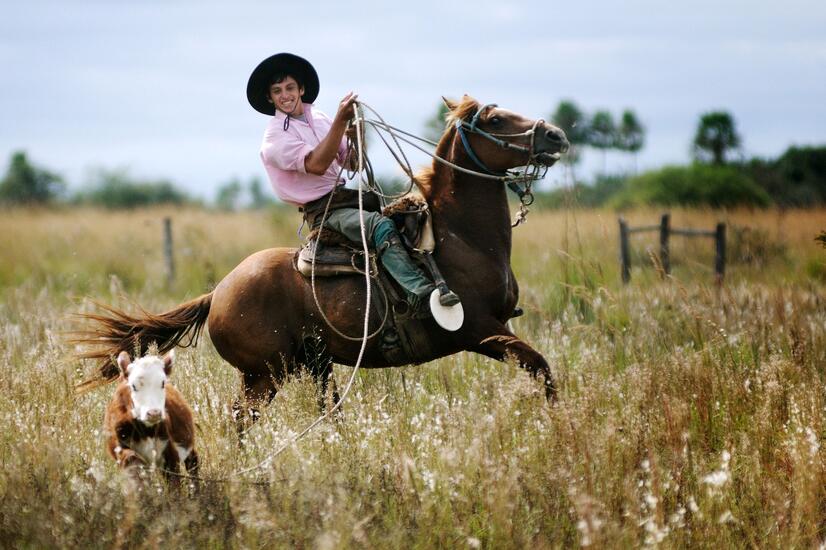
Somewhere on the pampas, the horizon curves so gently that one loses track of distance. Everything seems motionless: the tall grass, the wind still, a horse standing still in front of the sun. But it is enough to look at it to understand that this landscape has a pulse. There, where silence seems absolute, moves one of the oldest and most enduring figures of the Southern Cone: the gaucho.
For centuries he was a man without borders, a wandering horseman who lived off feral cattle and barter, across the borderlands of the Río de la Plata, Patagonia, and the plains of Uruguay. His story was threaded through solitude and freedom, survival and poetry. He was born of mixed heritage—son of Indigenous peoples, Spaniards, and Creoles - and grew into a national symbol: the country man who reads the land, the animals, and the sky.
The gaucho was originally a marginal figure—stateless and lawless, persecuted for his independence. But over time he was elevated into a national myth. No writer captured it better than José Hernández, author of Martín Fierro (1872), the poem that transformed rural life into an epic and gave voice to the country men pushed out by modernity. His gaucho was no gilded hero, but a working man defending his dignity in a world that no longer had room for him.
Decades later, Ricardo Güiraldes, born in San Antonio de Areco, would refine that figure into a spiritual symbol. In Don Segundo Sombra (1926) he portrayed the gaucho as a master of life, a bearer of wisdom, silence, and dignity. Between Hernández and Güiraldes, the myth was complete: from conflict to contemplation, from injustice to the elegance of a way of being in the world
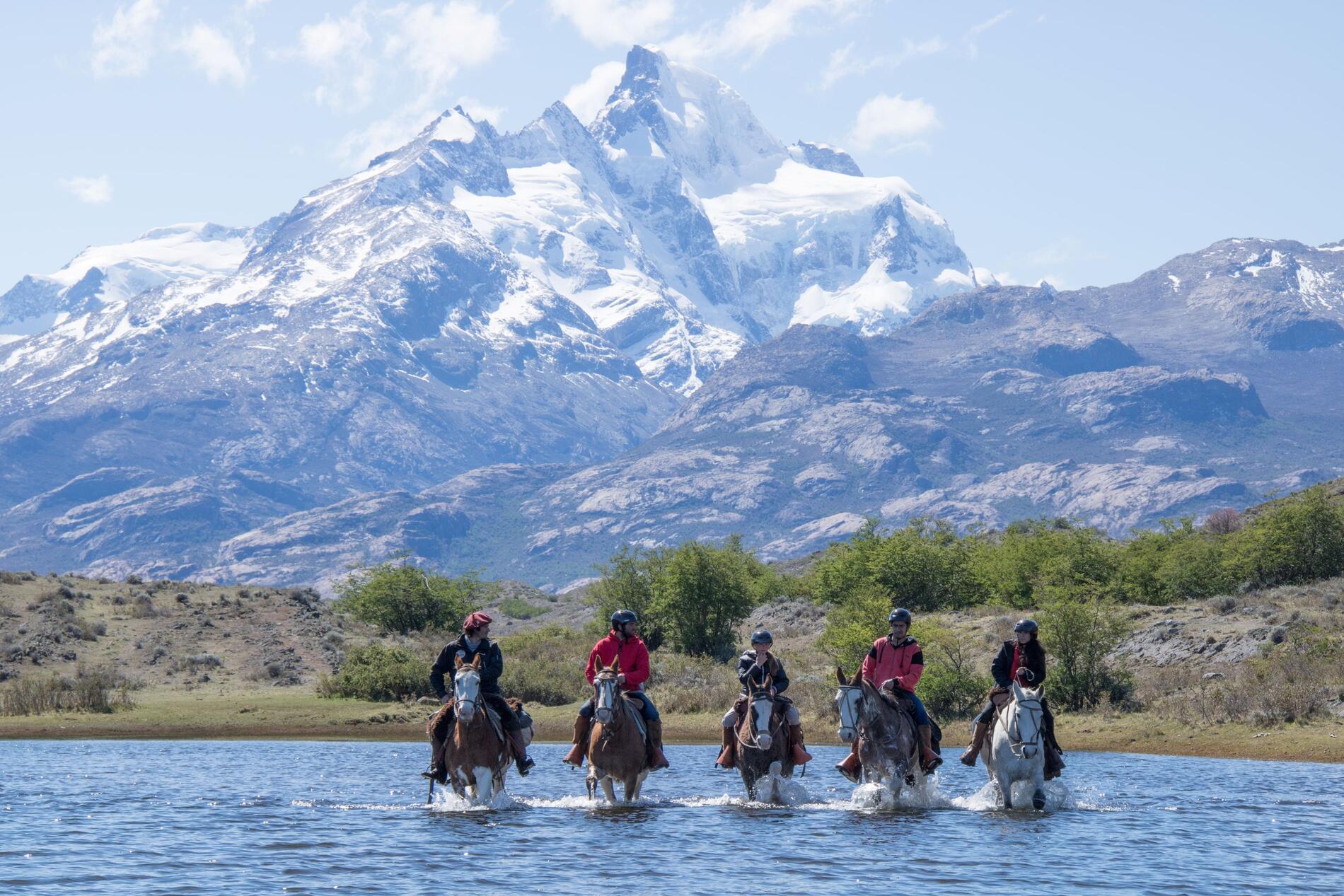
The history of the gaucho cannot be separated from that of cattle. In the fertile prairies of the littoral, the growth of the herds transformed the landscape and gave rise to a culture of work, leather, and fire. From this bond came the asado, which for centuries meant not beef but lamb: the most abundant meat in Patagonia, where sheep ranching took hold in the nineteenth century.
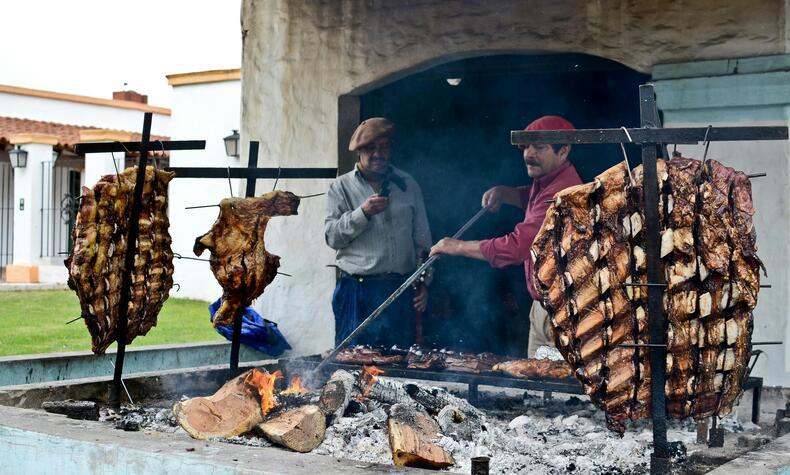
More than a culinary tradition, the asado was a way of being together. The fire was built in the open air, with the same reverence one brings to the start of a day. There was no table or tablecloth, only the earth, the knife and time. Around that fire, the stories of the countryside were passed down, and the gaucho found his place.
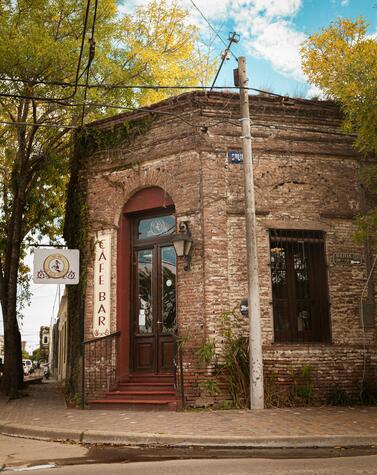
Just over a hundred kilometers from Buenos Aires, San Antonio de Areco preserves the Creole essence. Every November, the town celebrates the Fiesta de la Tradición, where riders parade in their finest: ponchos, boots, hats, and tooled leather belts. But what gives Areco its character is not only its parades, but the work of its silversmiths, descended from Basque immigrants who settled there in the 19th century and began working metal with artisanal precision.
From their hands come the spurs, stirrups, buckles, and bridles that turn a saddle into a work of art. Each adornment is chiseled by hand with geometric or botanical motifs, and many of these pieces are passed down from generation to generation as symbols of family pride. Güiraldes, a native of this same town, found in these workshops the inspiration for the Creole universe that he would later describe in his novel.
The origins of cattle ranching in the Río de la Plata
The first cattle arrived in present-day Argentina around 1536, when Pedro de Mendoza landed in the Río de la Plata with a small herd from Andalusia. After the failure of his expedition and the abandonment of the settlement, the animals were left free and multiplied uncontrollably. A century later, the pampas were roaming with thousands of feral cattle. The hunting of these wild cattle—called vaquería—was the region’s first economic activity. The animals were mainly exploited for their leather, which was highly valued in Europe, while the meat was left to rot or fed to the dogs. Only with the arrival of the salting plant and the railroad, by the 19th century, did the meat begin to be preserved and exported. It was then that barbecue was born as a ritual and not only as food
The nomadic life of the shearers
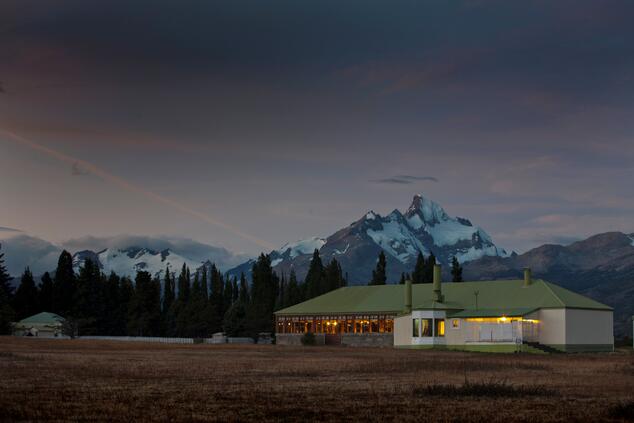
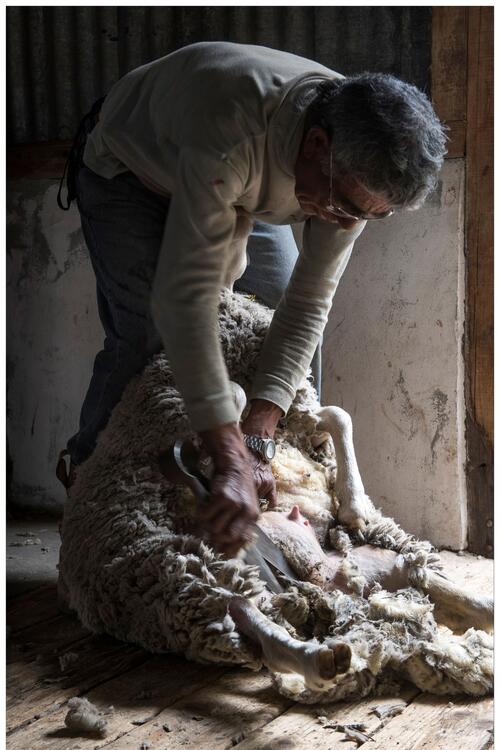
Each southern autumn, when the shearing season begins, shearing crews travel across Patagonia from estancia to estancia. In one day they can shear between 250 and 300 sheep, using electric clippers or traditional shears with a precision that never nicks the animal’s skin.
Their skill is recognized around the world: every year more than a thousand Argentine shearers travel to the northern hemisphere—to Scotland, France, or New Zealand - to continue the season. Their calendar never stops: six months in the south, six in the north.
In international competitions, the best manage to shear a complete sheep in less than two minutes
Today the gaucho is no longer the free rider who once crossed territories without borders. He lives in a modern country, among agricultural machinery and paved roads. But he endures as a symbol. Many men of the countryside keep their traditional clothing and their link with the horse, not as folklore but as identity. His figure inspires respect, not so much for nostalgia as for representing a way of understanding life: the bond with the land, the honesty of hard work, and the austerity of the soul.
The gaucho has gone from myth to reality and from reality to myth over and over again. Neither romantic hero nor simple rural worker: he is both at once. In him, past and present coexist—epic and routine, solitude and community. In his gaze, when he looks at the horizon, there is something that belongs to all those who once felt the desire to live free, with no guide but the open sky