Shenzhen skyline, China's Silicon Valley
  • 5 MIN
  • Surprising

Shenzhen, China’s Silicon Valley: The Future in Real Time.

Written by: Bernardo Fuertes

From dizzying skyscrapers to factories-turned-galleries, Shenzhen reveals one of the fastest urban transformations in history.
A young, technological, and creative metropolis that offers a glimpse of what tomorrow’s cities will look like.

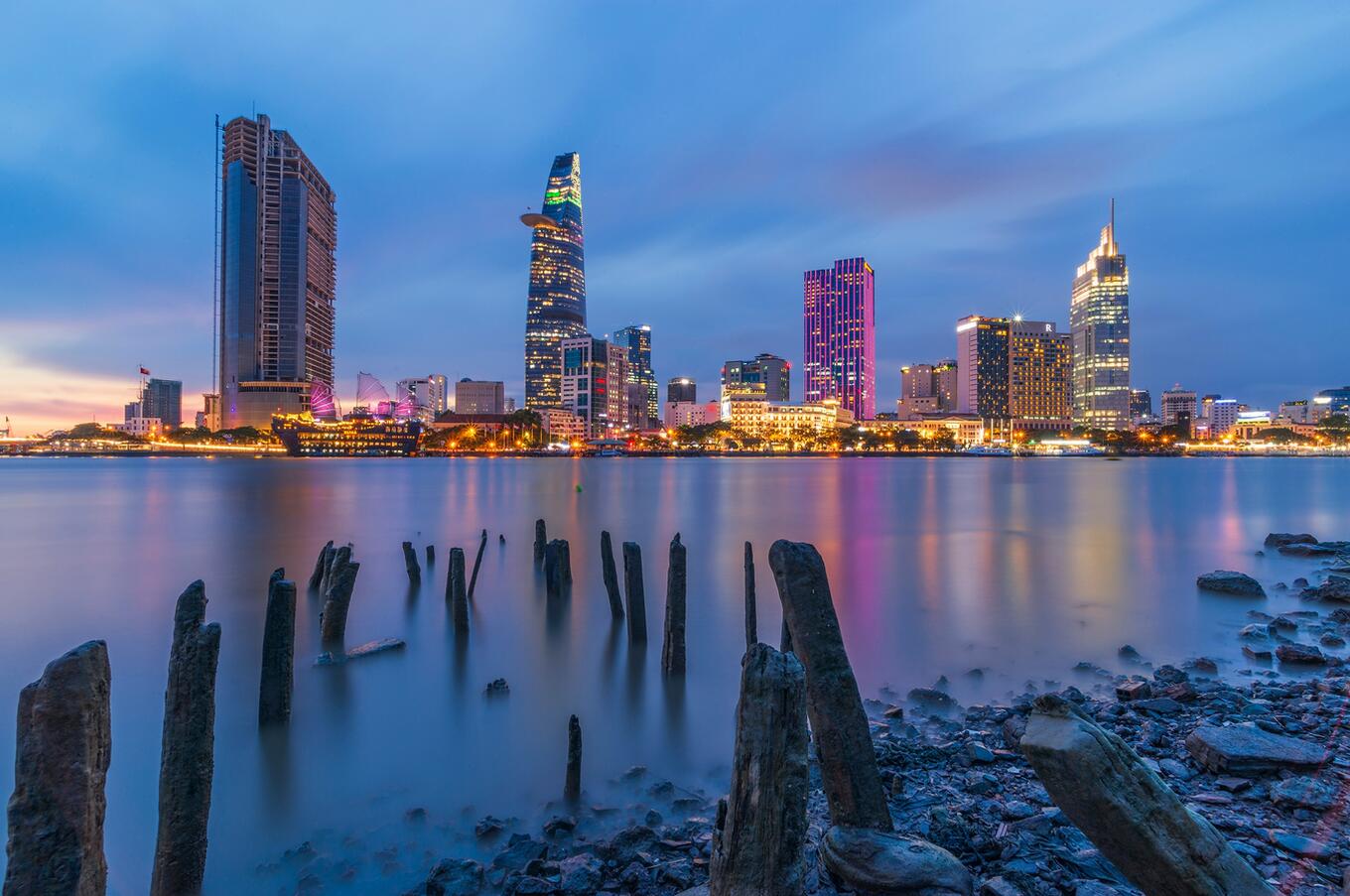
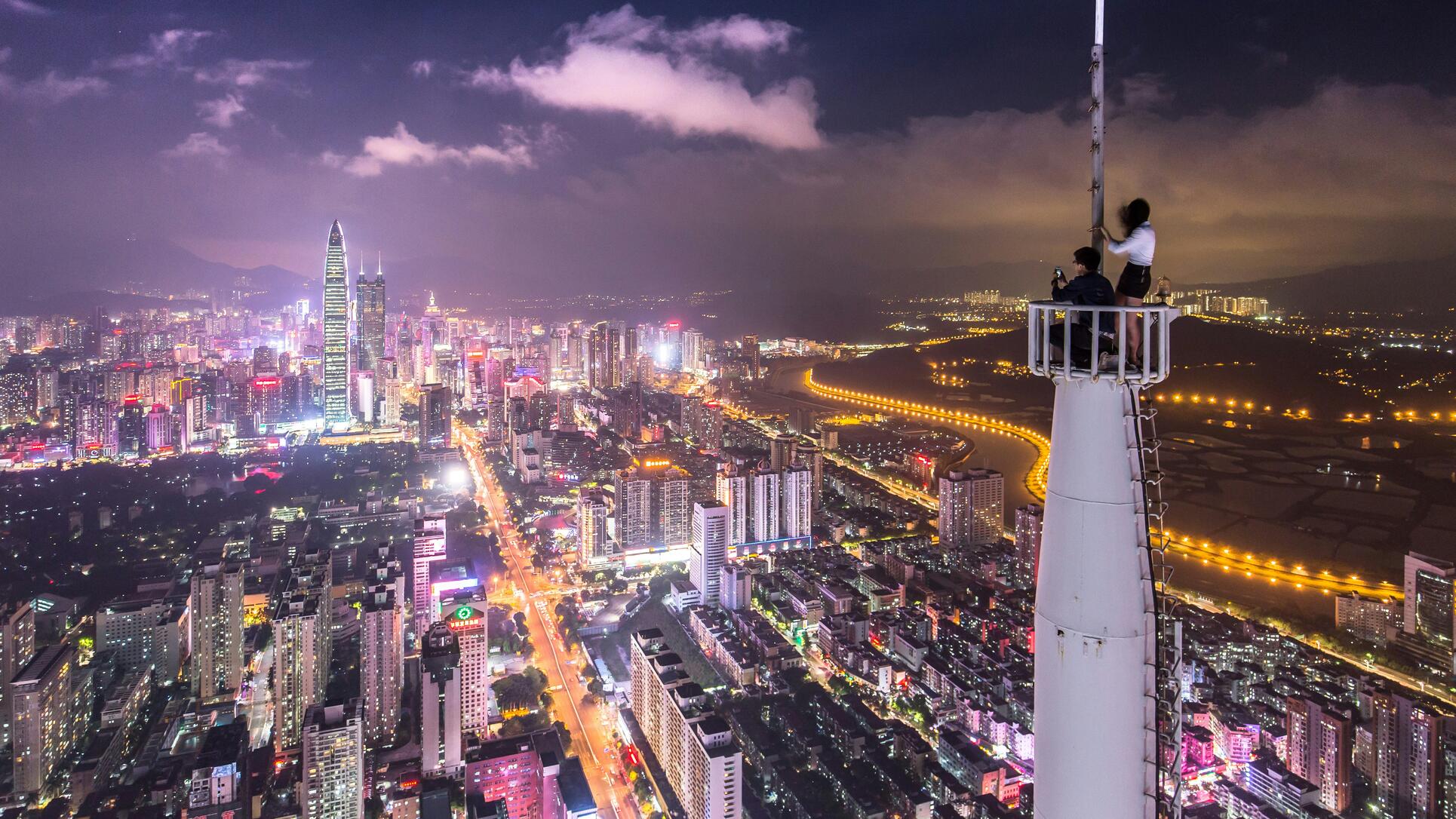
Shenzhen, China’s Silicon Valley, is a city where the future already feels like part of the everyday landscape. In just four decades, this once-quiet fishing village has become an urban laboratory where futuristic architecture, creative districts, and one of the planet’s most dynamic tech scenes all coexist. Between skyscrapers, contemporary art, and street markets, Shenzhen reveals one of the fastest urban transformations in history.

Shenzhen
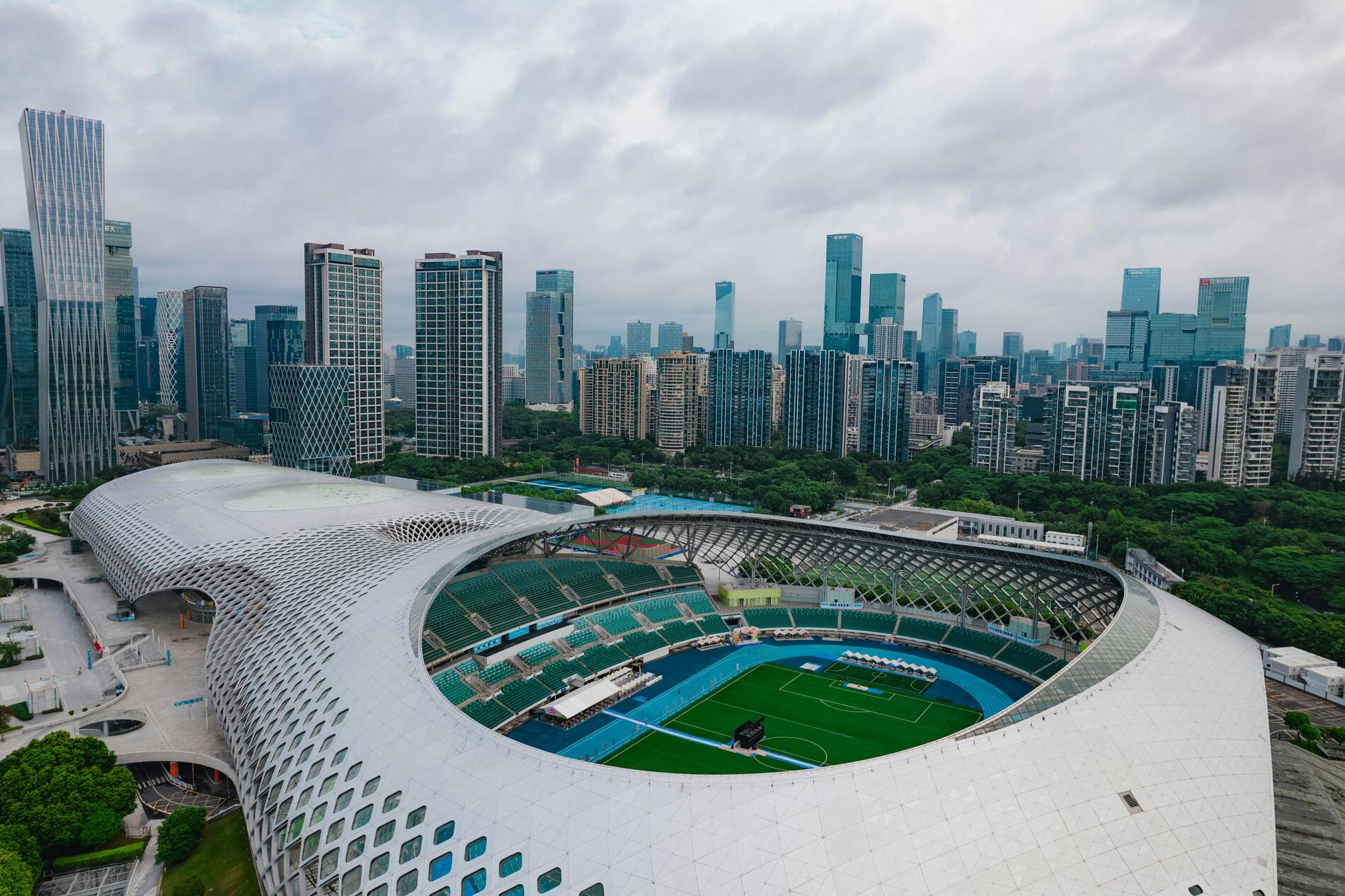
The Shenzhen Universiade Sports Centre Stadium, designed by the German firm gmp Architekten, was built for the 2011 Universiade and can accommodate some 60,000 spectators.
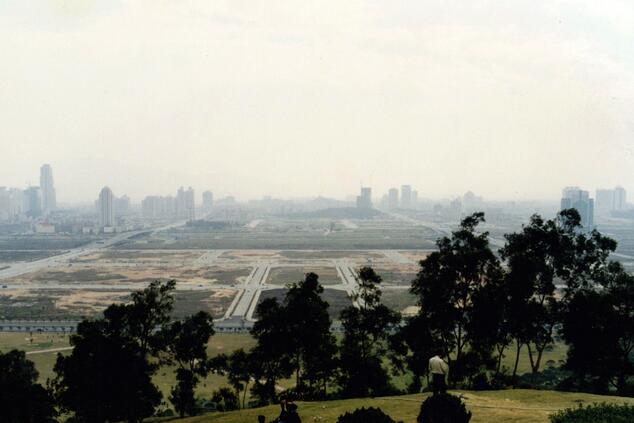
Shenzhen in 1998.
Futian in 1998, when the new urban center was just beginning to be built. Within a few decades, this peripheral land was transformed into one of China's most modern administrative and financial hubs. Photo: Wanghongliu.
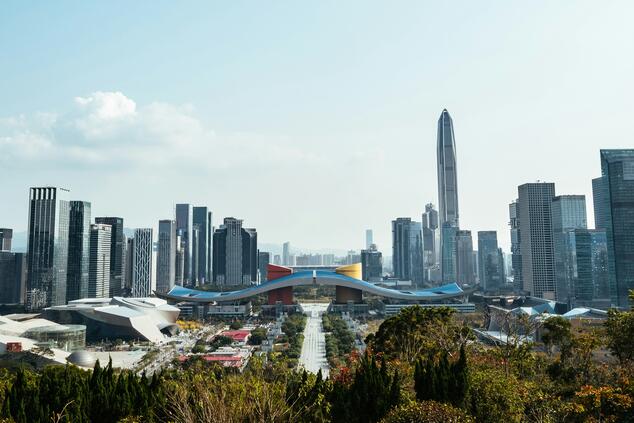
Shenzhen today.
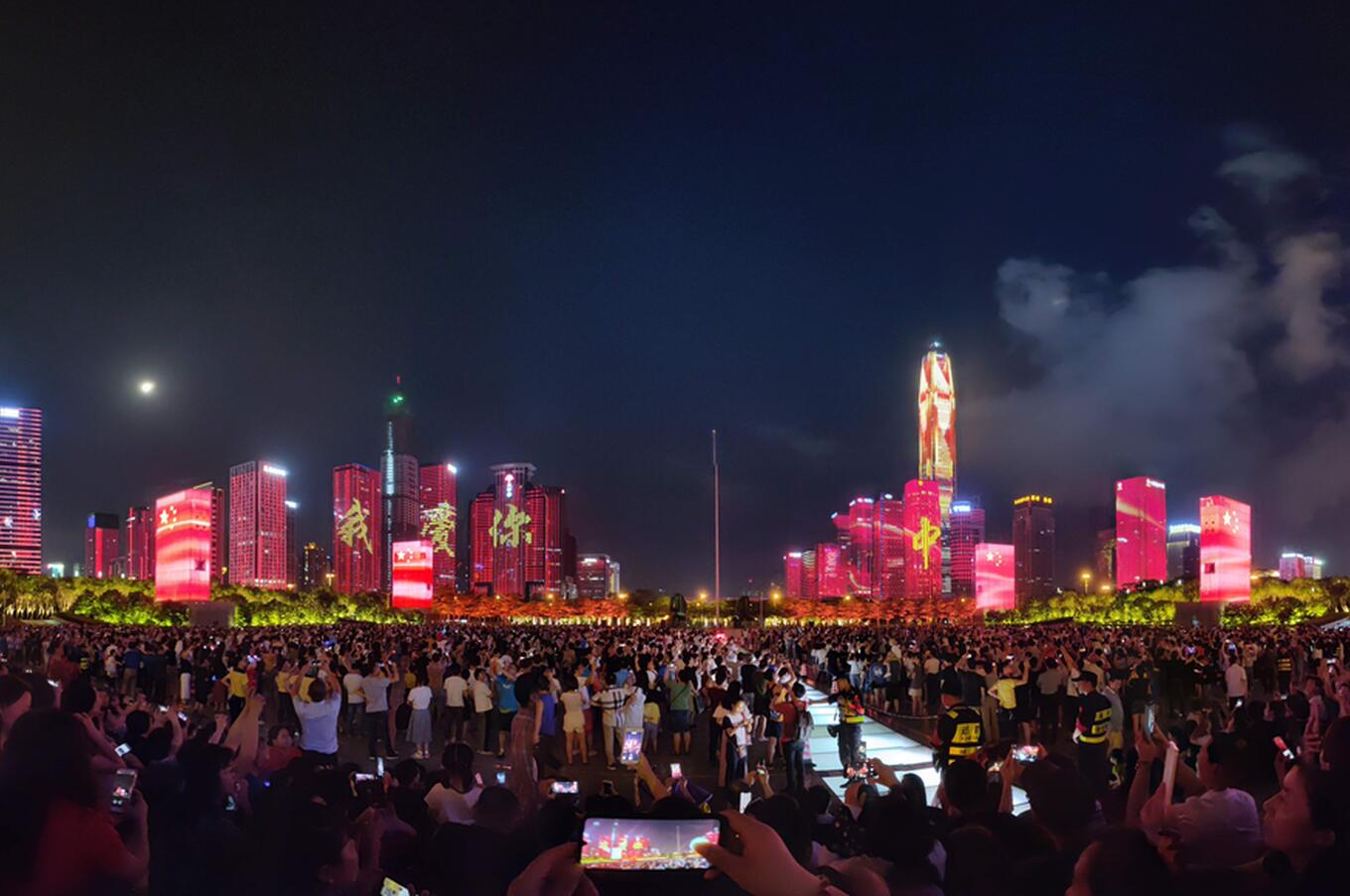
Futian's civic axis, below, concentrates the city hall, museums, libraries and cultural centers, surrounded by the skyline of the financial district and dominated by the silhouette of the Ping An Finance Centre. Photo: Robert Bye.

Despite its futuristic image, Shenzhen can also be discovered at street level. In the Dongmen district, one of the city’s oldest commercial areas, bustling pedestrian streets, small traditional shops, and contemporary cafés all coexist. This enclave captures the contrasts of a young metropolis that moves at high speed without giving up its most popular gathering spaces, where daily life keeps a constant rhythm of lights, markets, and an increasingly lively nightlife.

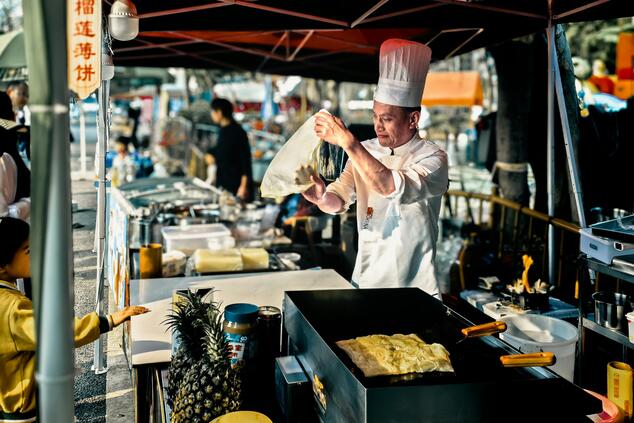
Shenzhen’s diversity also comes through in its food. Unlike other Chinese cities with a defined culinary tradition, there is no single Shenzhen cuisine. The city is so young that its food scene is a mosaic of flavors from across China. Cantonese specialties, northern-style noodles, dim sum, and spicy Sichuan dishes all share space in markets and street stalls, reflecting a population drawn from every corner of the country.

That same energy plays out on an even larger stage. Shenzhen is part of the Greater Bay Area, a sprawling metropolitan region linking Hong Kong, Macau, and nine cities across southern China. With more than seventy million residents, this economic corridor is one of the most dynamic hubs on the planet, and the setting where Shenzhen is establishing itself as one of the great urban laboratories of the twenty-first century.

Shenzhen
Shenzhen

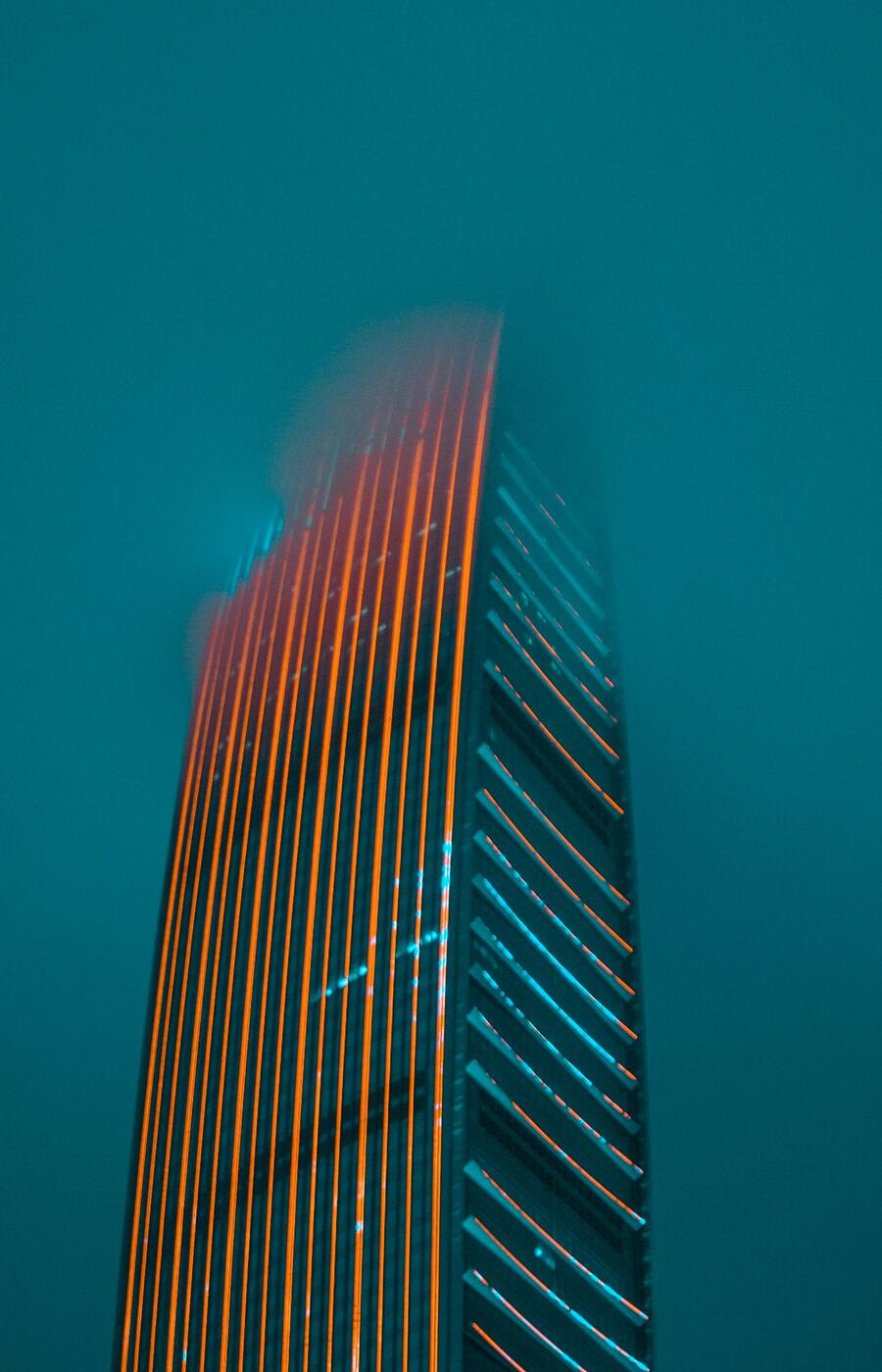
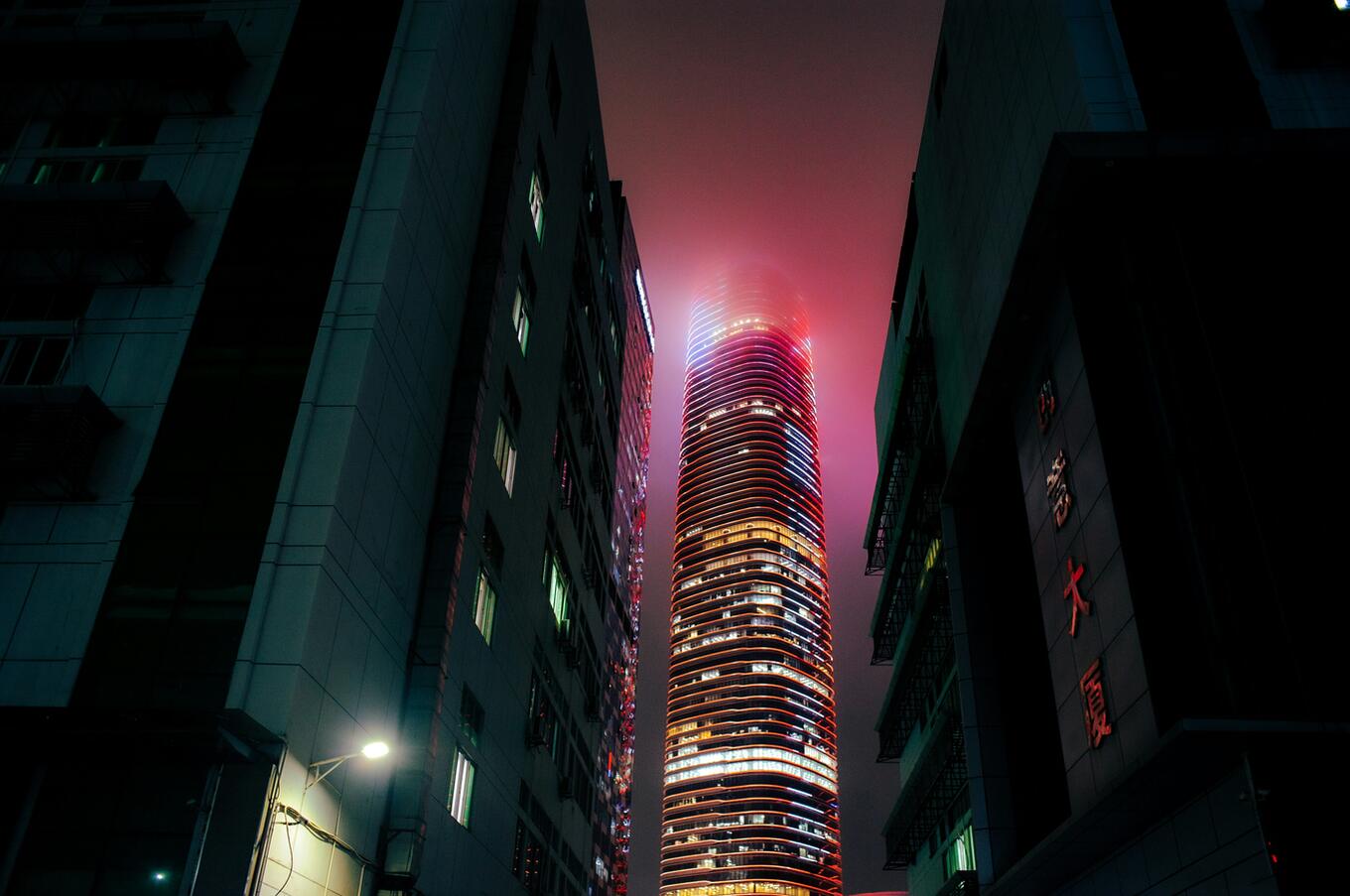
Shenzhen is a city being built at several speeds at once. From the top of the Ping An Finance Centre, the city’s tallest skyscraper, the view takes in a metropolis that seems to have no edges. More than 500 meters up, the Free Sky observation deck offers a sense of the scale of this transformation: endless avenues, glass towers, and, on clear days, even the silhouette of Hong Kong on the horizon.

Yet this futuristic Shenzhen coexists with a more everyday city. In Dongmen, one of its oldest commercial districts, pedestrian streets are lined with small shops, restaurants, and contemporary cafés. Amid the lights and shop windows, you can feel the contrasts of a young city that blends tradition, modern consumption, and an increasingly lively nightlife.

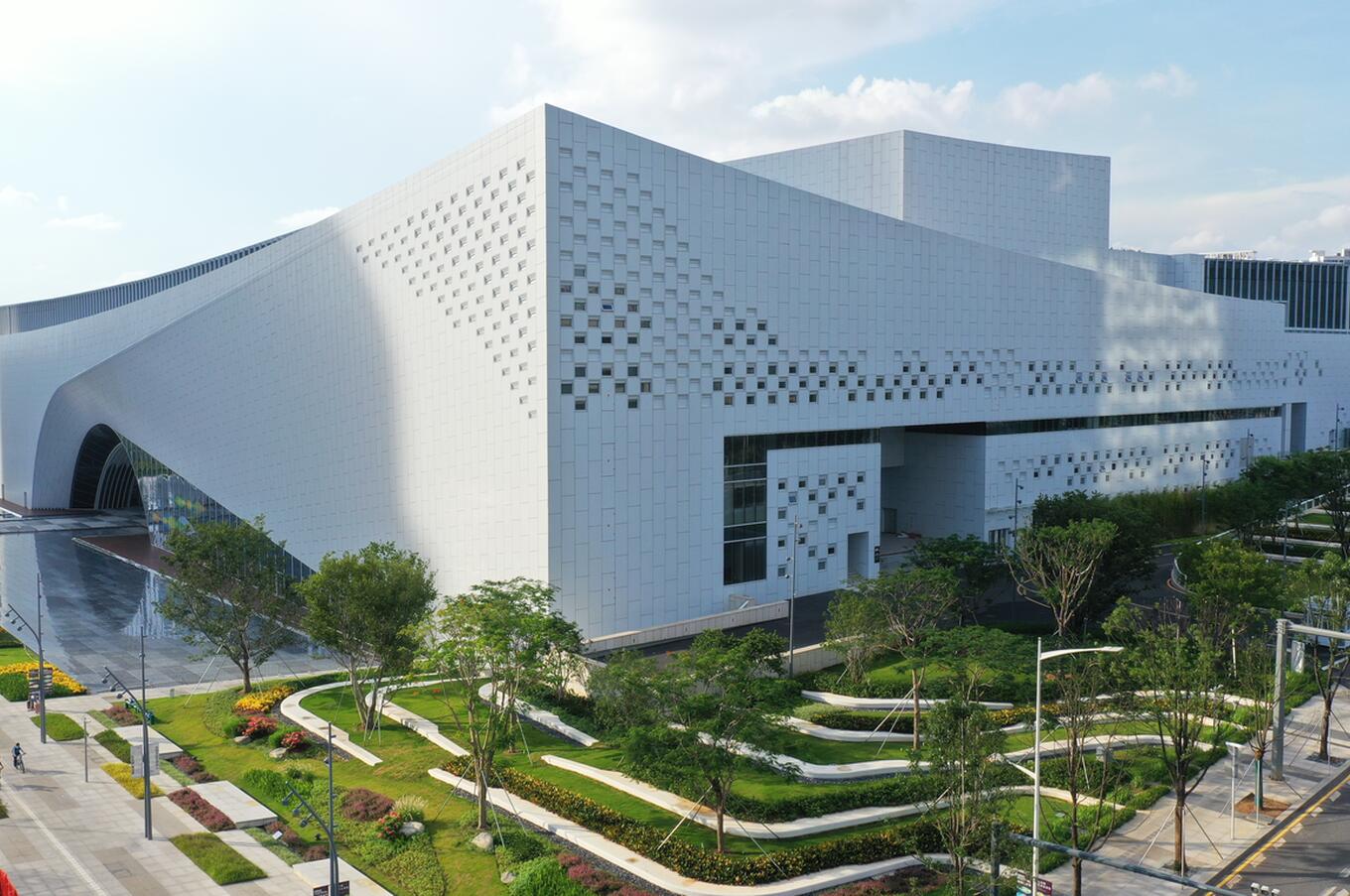
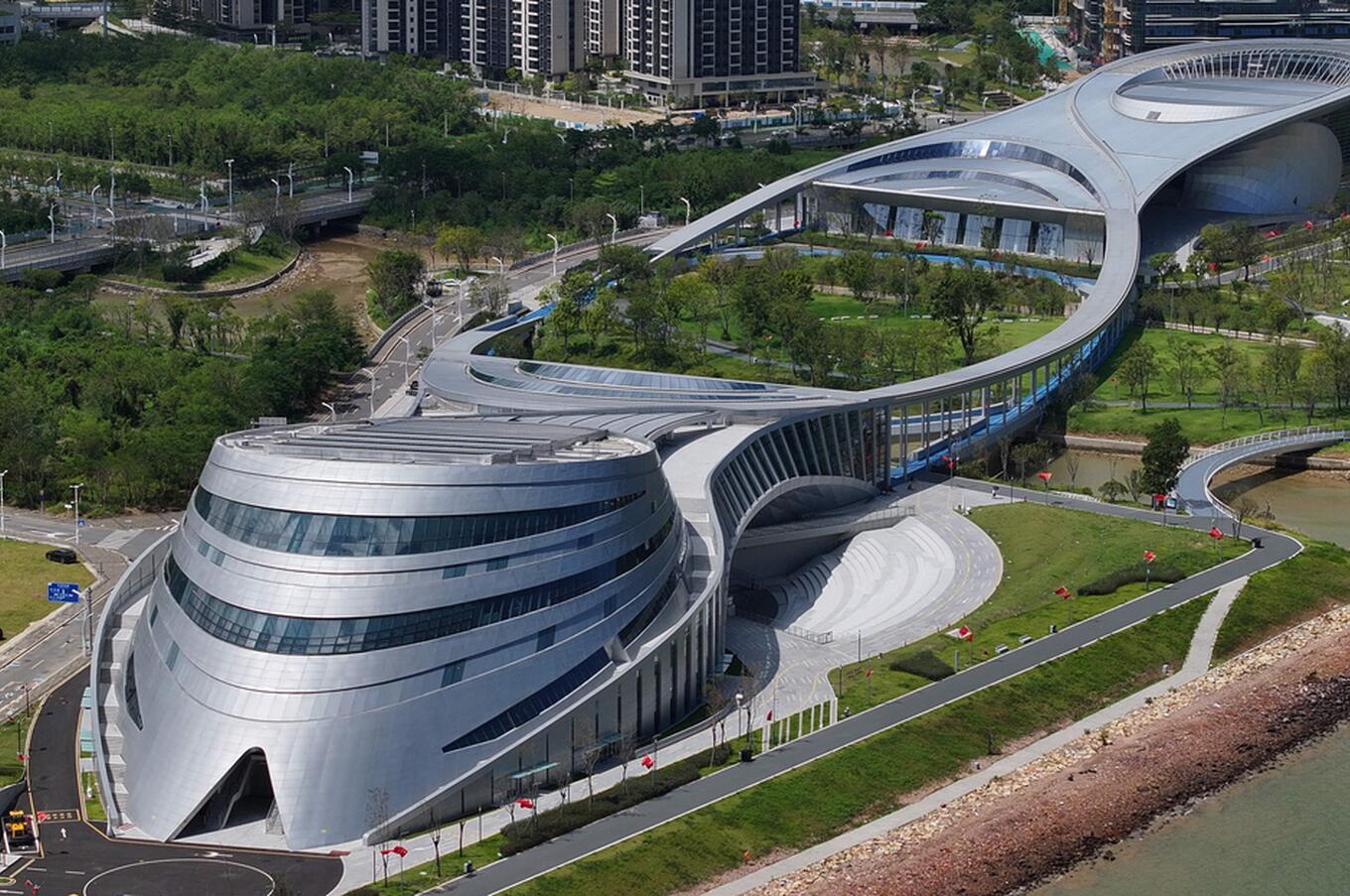
The city’s cultural ambitions are also reshaping its skyline. The Guangming Culture and Art Center, opened in 2020 and designed by the German firm gmp Architekten, brings together a library, exhibition halls, and performance spaces in a single contemporary complex. Shenzhen, long known as the technological capital of southern China, is now carving out new space for art and creativity as well.

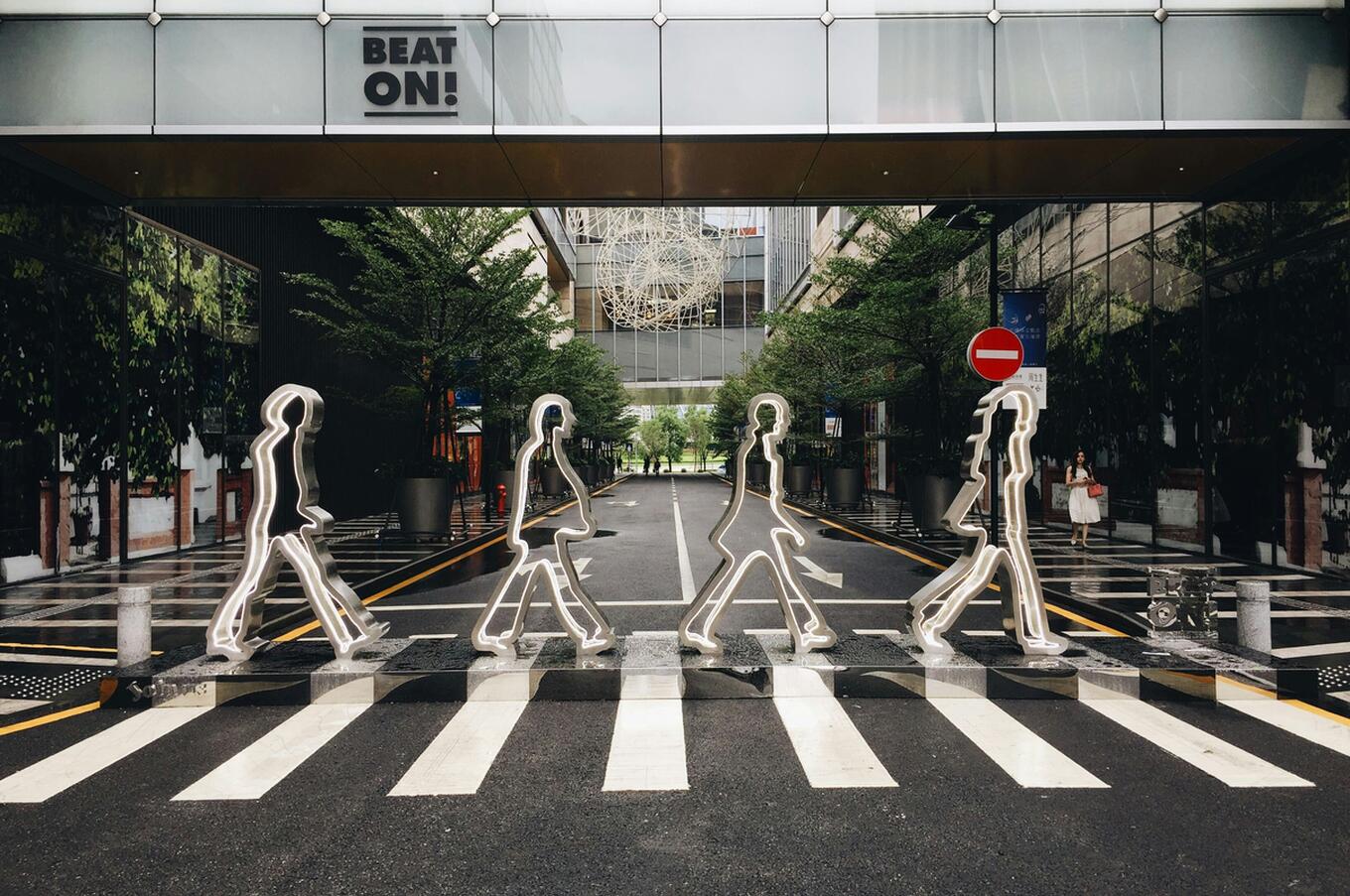
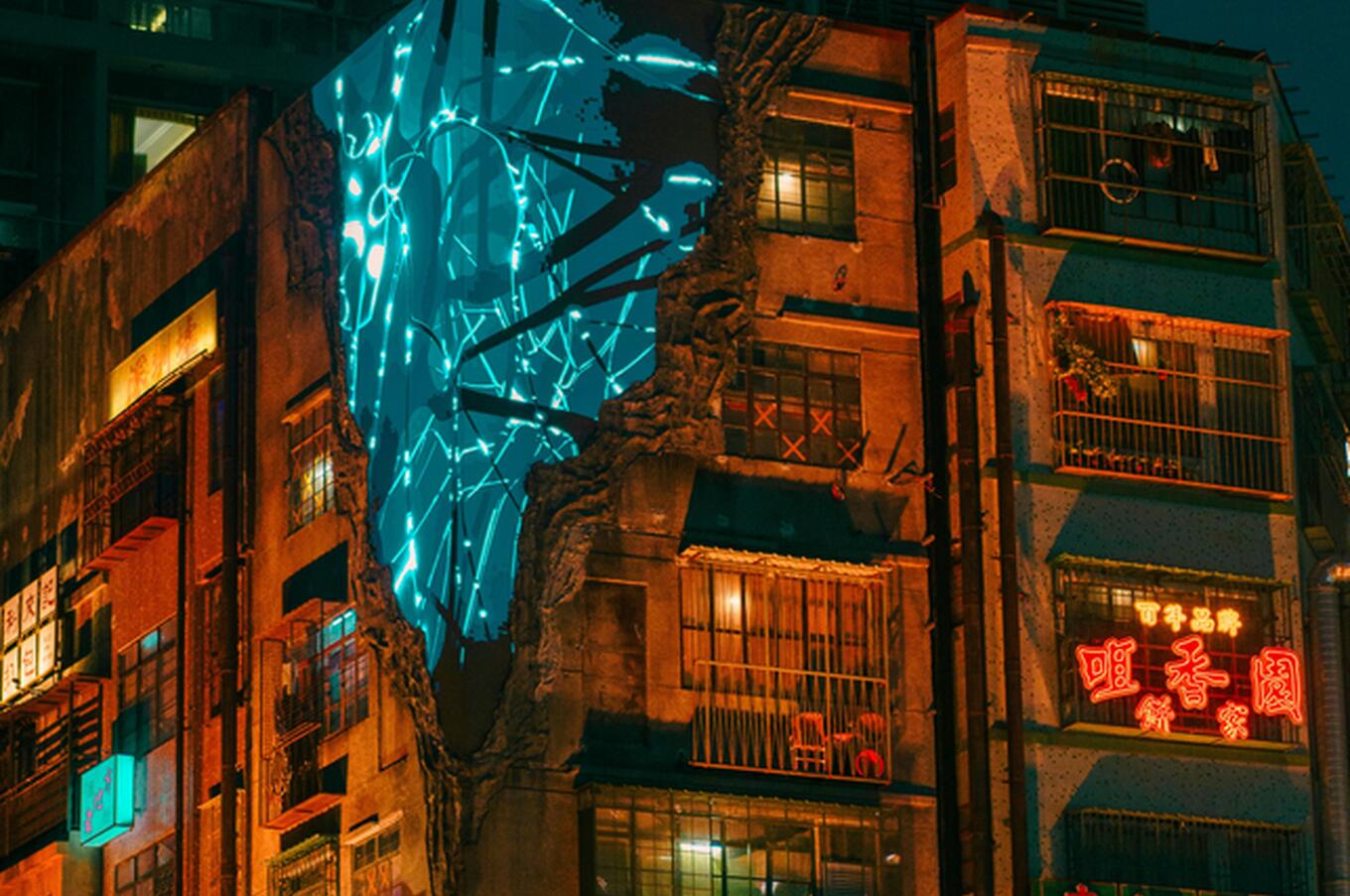
That same mix of modernity and nostalgia shows up in Wenheyou, where neon-lit alleys recreate 1980s urban China with an aesthetic straight out of cyberpunk. Restaurants, bars, and shops make this complex one of the city’s most popular cultural spots, a reflection of a metropolis that looks to the future while still reinterpreting its past.

Amid skyscrapers, cultural centers, and historic neighborhoods, Shenzhen reveals itself as a city in constant transformation, an urban laboratory where futuristic architecture, contemporary culture, and everyday life coexist in one of the fastest urban transformations on the planet.
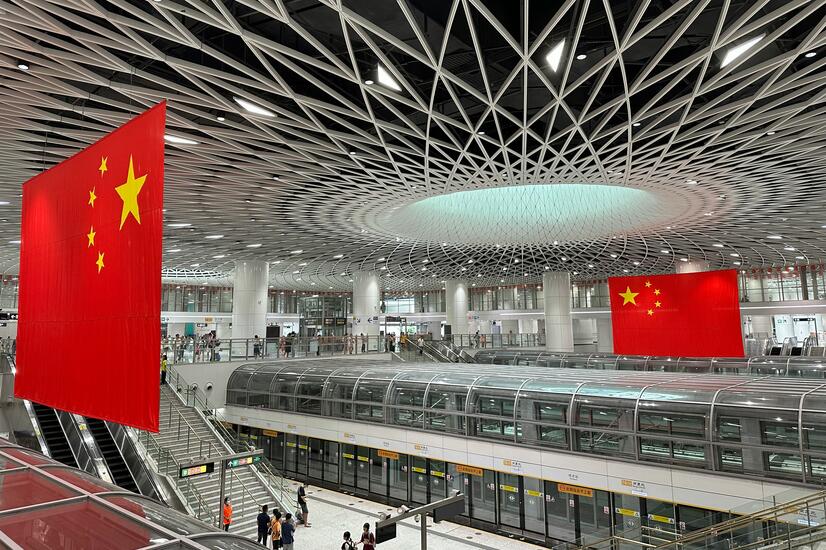
Gangxia North subway station, known as "Shenzhen Eye," is one of the city’s busiest transit hubs, linking several subway lines in the Futian financial district. Its striking circular roof of glass and steel lets natural light pour into the interior, blending futuristic architecture, transportation, and commercial space into a single urban complex. Photo: Zhenyu Luo.

Gangxia North, the subway station in Shenzhen.
  • Shenzhen
  • Shenzhen
  • Shenzhen
  • Shenzhen
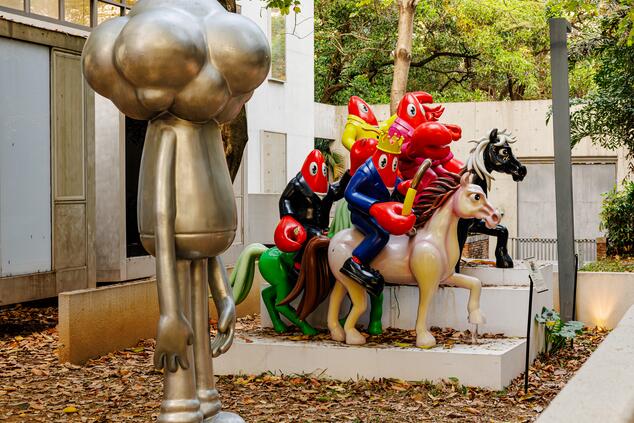
  • At OCT Loft, contemporary art invades patios and gardens.
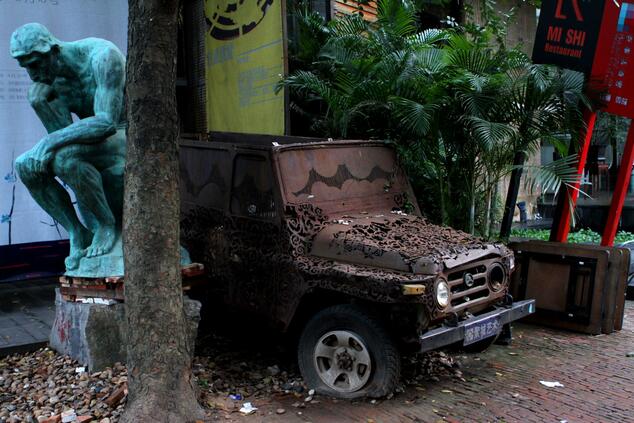
  • Installations, sculptures and urban art dot the area.
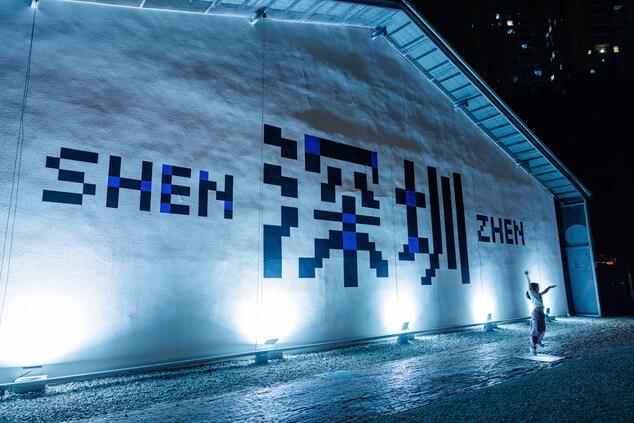
  • This former factory complex is now one of the most active cultural centers.
  • The city does not have a traditional gastronomy, but it fuses all the gastronomies of the country.
shenzhen technology china tourism travel
Share

Related stories

12 MONTHS / 12 STORIES

12

Once per month

Choose your topics

5'

Five minutes of inspiration

The day of your choice

Do you like what you are reading?

Passepartout is a magazine by  80days