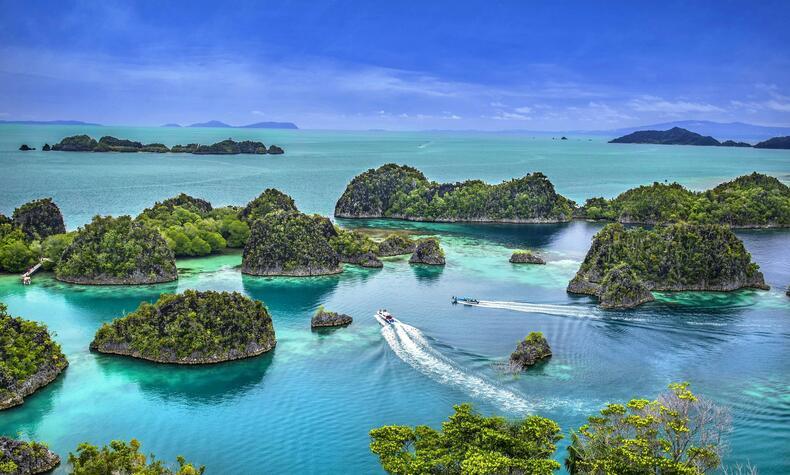
Raja Ampat, Indonesia: Where the Waters Began
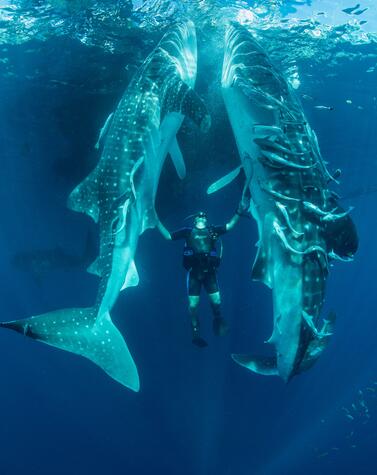
Deep in West Papua's crystal-clear waters, Raja Ampat shelters the richest marine ecosystem on Earth, a remote, sacred archipelago where true luxury is measured in silence and biodiversity.
The spirit of those expeditions was embodied in names that are still with us today as legends. Their exploits not only transformed the maps, they also transformed how humans saw the world. And yet, in our present, on a planet mapped down to its last corner, the word has been emptied of meaning. We speak of "expeditions" to Botswana as we speak of "transformative journeys", buzzwords co-opted by luxury marketing and repeated until they’ve lost all meaning.
But expeditions were far more than trips. They meant rupture, discovery, and sacrifice. Looking back at them today reminds us what it really means to explore, and to ask ourselves: what remains of that essence in our way of traveling? Is it still possible to experience the true spirit of an expedition?
Back in the 18th century, when Europe had only begun to grasp the vastness of the Pacific, James Cook set out on three voyages that redefined the map of the world. Not only did he accurately draw the coasts of Australia and New Zealand, he also mapped islands such as Tahiti and Hawaii, and proved that the mythical Terra Australis that obsessed geographers and monarchs did not exist.
Cook was both a sailor and a scientist: astronomers and botanists traveled aboard the Endeavour, measuring eclipses, collecting plants, and documenting local customs. Their expeditions not only expanded maps, they also expanded knowledge about the planet's cultural and natural diversity. Each island visited became a point of exchange, a place where Europe discovered other ways of living and understanding nature.
While Cook was making a name for himself in England, Spain was organizing its own scientific expedition: that of Alessandro Malaspina, between 1789 and 1794. With two corvettes, he sailed from the coasts of Alaska to the Philippines, passing through Oceania, Argentina, and Peru. He brought along painters, naturalists, and cartographers who collected invaluable data on flora, fauna, ethnography, and trade.
His expedition, however, faded into obscurity, overshadowed by political intrigue and scant attention in Europe. Malaspina ended up imprisoned in Spain and his reports remained unpublished for centuries. Today, rediscovering Malaspina is also an act of justice: to remember that Spain not only conquered territories, but also explored and studied the world with a scientific eye. His legacy puts him in the same lineage as Humboldt and demonstrates that exploration was, in many cases, science and art in the service of knowledge.
In the early 19th century, as if taking the baton from Malaspina, Humboldt spent five years traveling the Americas on an unprecedented expedition. He climbed the Chimborazo volcano in Ecuador, sailed the Orinoco and the Amazon, and studied everything from plants to ocean currents. He was the first to speak of nature as an interconnected system, a precursor of modern ecology.
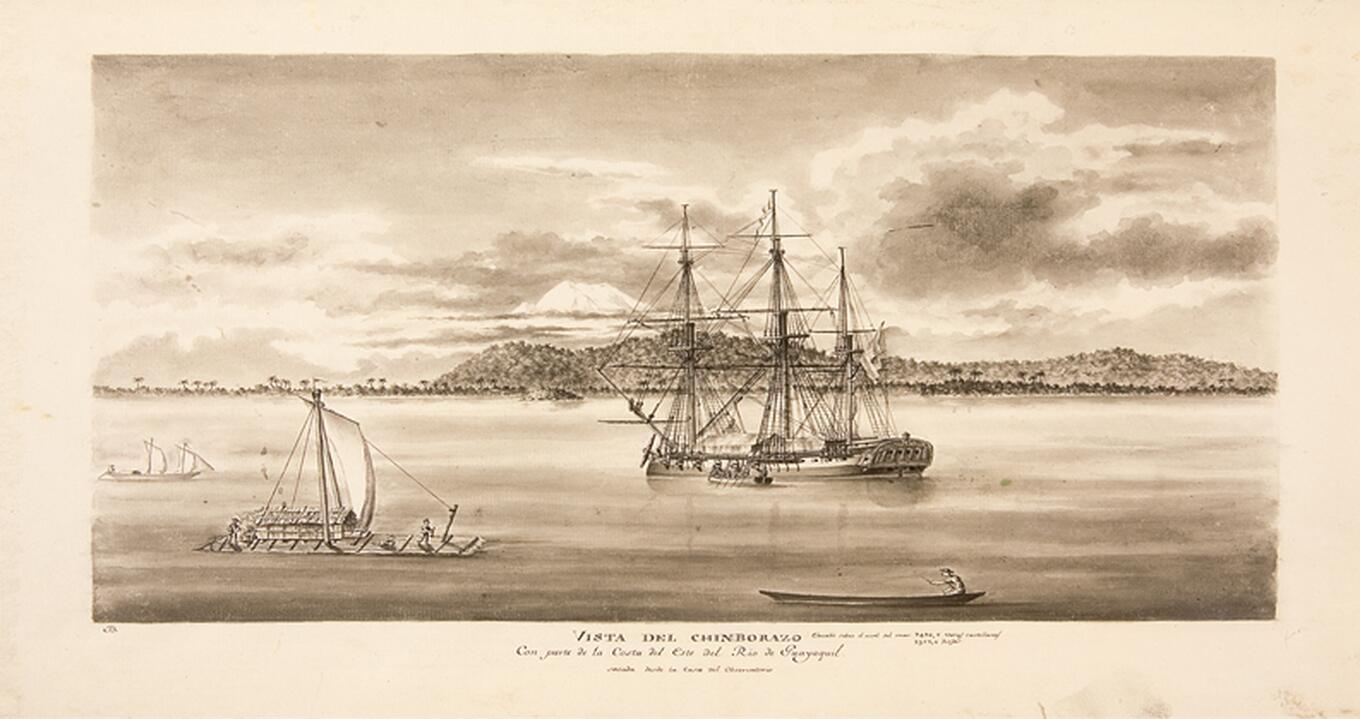
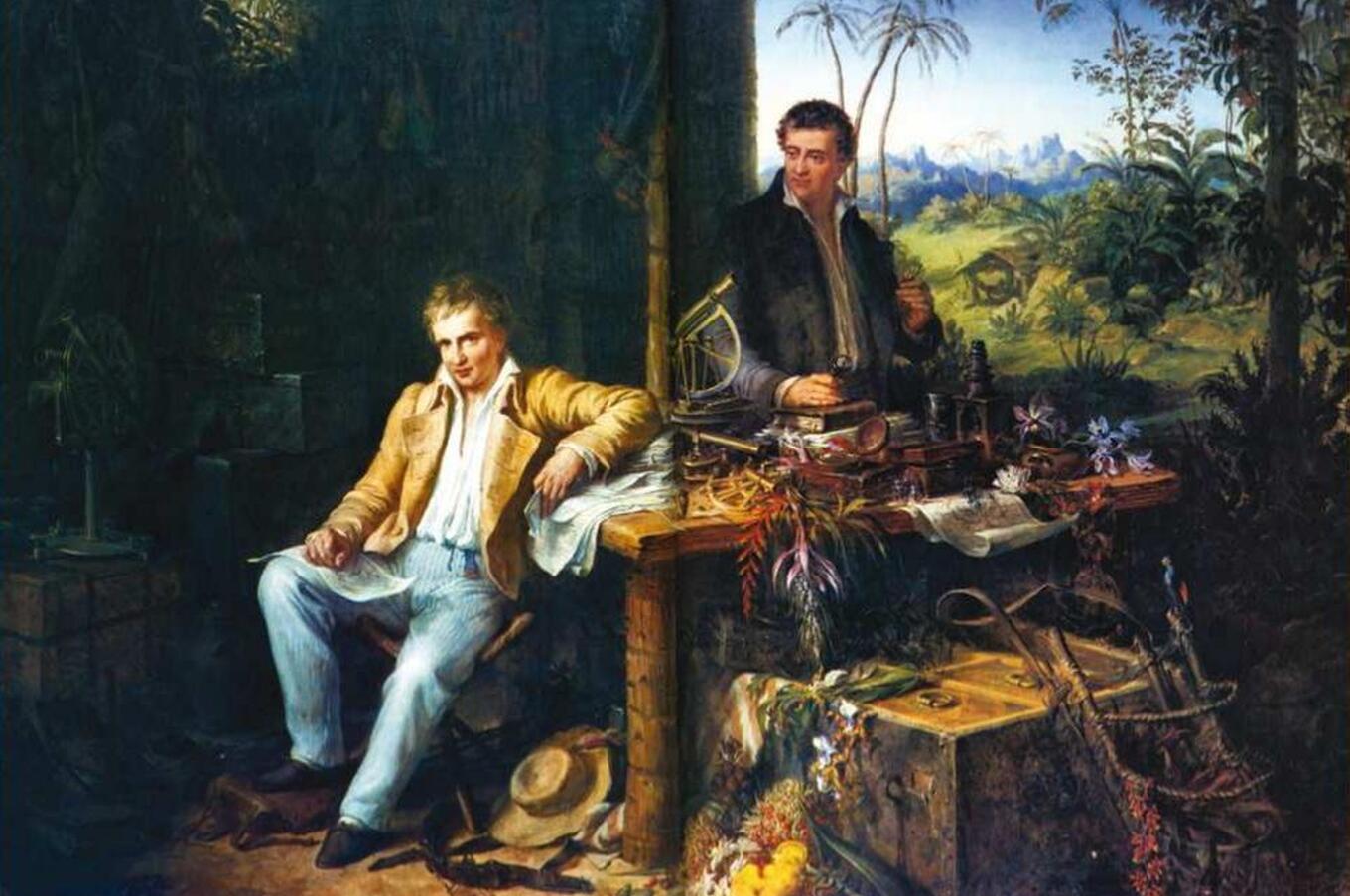
Humboldt transformed each voyage into a scientific and humanist experience, convinced that understanding the world was the best way to protect it. Humboldt's work inspired Darwin, Bolivar, and a whole generation that saw travel as a way of knowledge, not conquest. Humboldt did not seek to discover new territories, but to understand what had already been discovered. His expedition was, above all, a vast collective lesson.
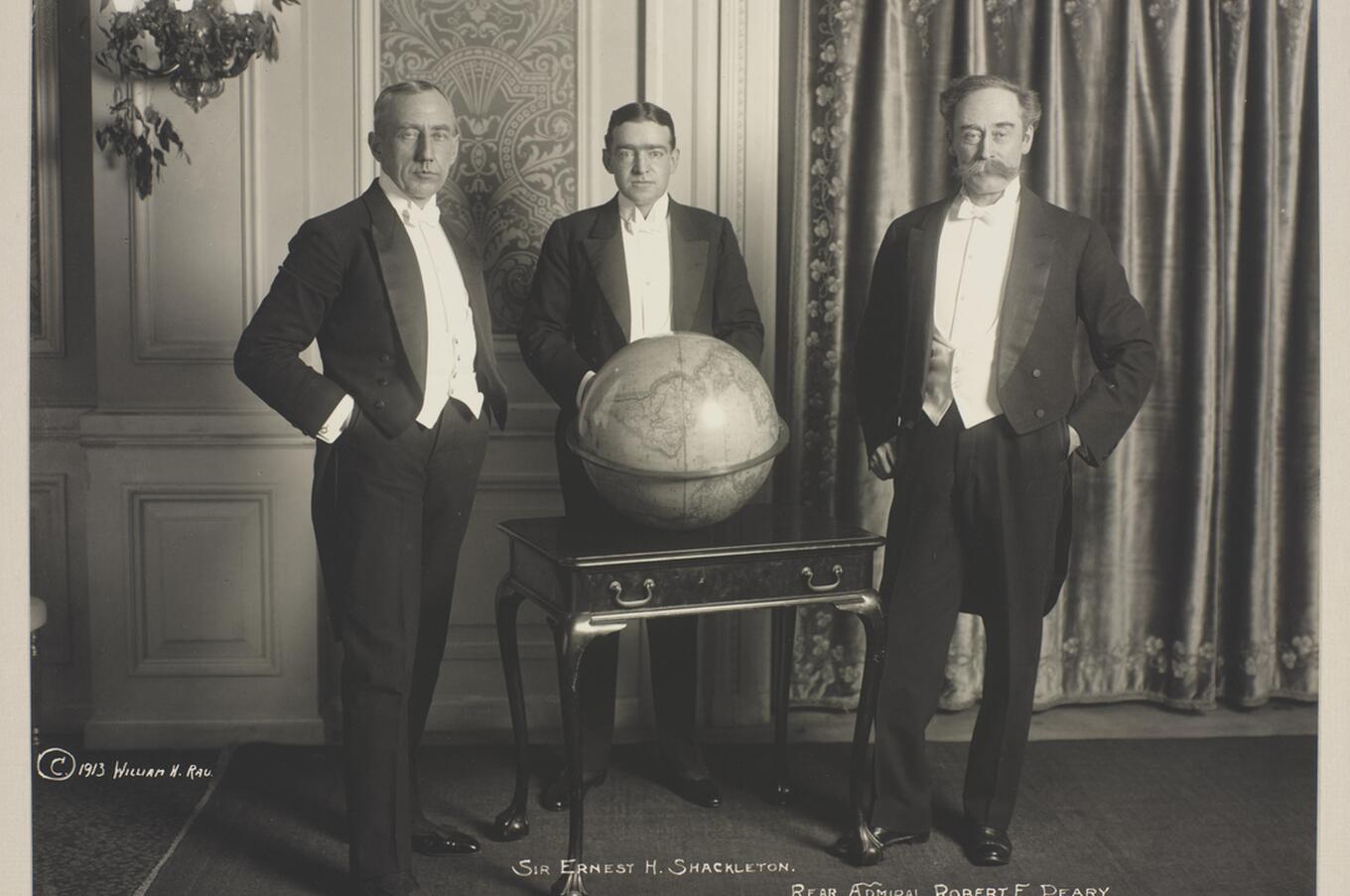
With almost every corner of the planet already discovered and explored, the South Pole was, during the first decades of the 20th century, the last frontier. In 1911, Roald Amundsen reached the Pole on skis and with dogs, ahead of his British rival Robert Falcon Scott, who arrived weeks later and died on the way back along with his entire expedition.
The story of Scott, found in his tent with his diary as a testament, became a symbol of tragedy and courage. Amundsen, on the other hand, embodied the efficiency of the methodical explorer, who planned every detail with precision. Between them, the legend of the heroic era was born: a time when glory and tragedy were separated by a single day of blizzard.
These expeditions did not expand trade routes or discover material wealth, but they offered something more profound: the certainty that human beings are willing to risk everything to reach the seemingly impossible.
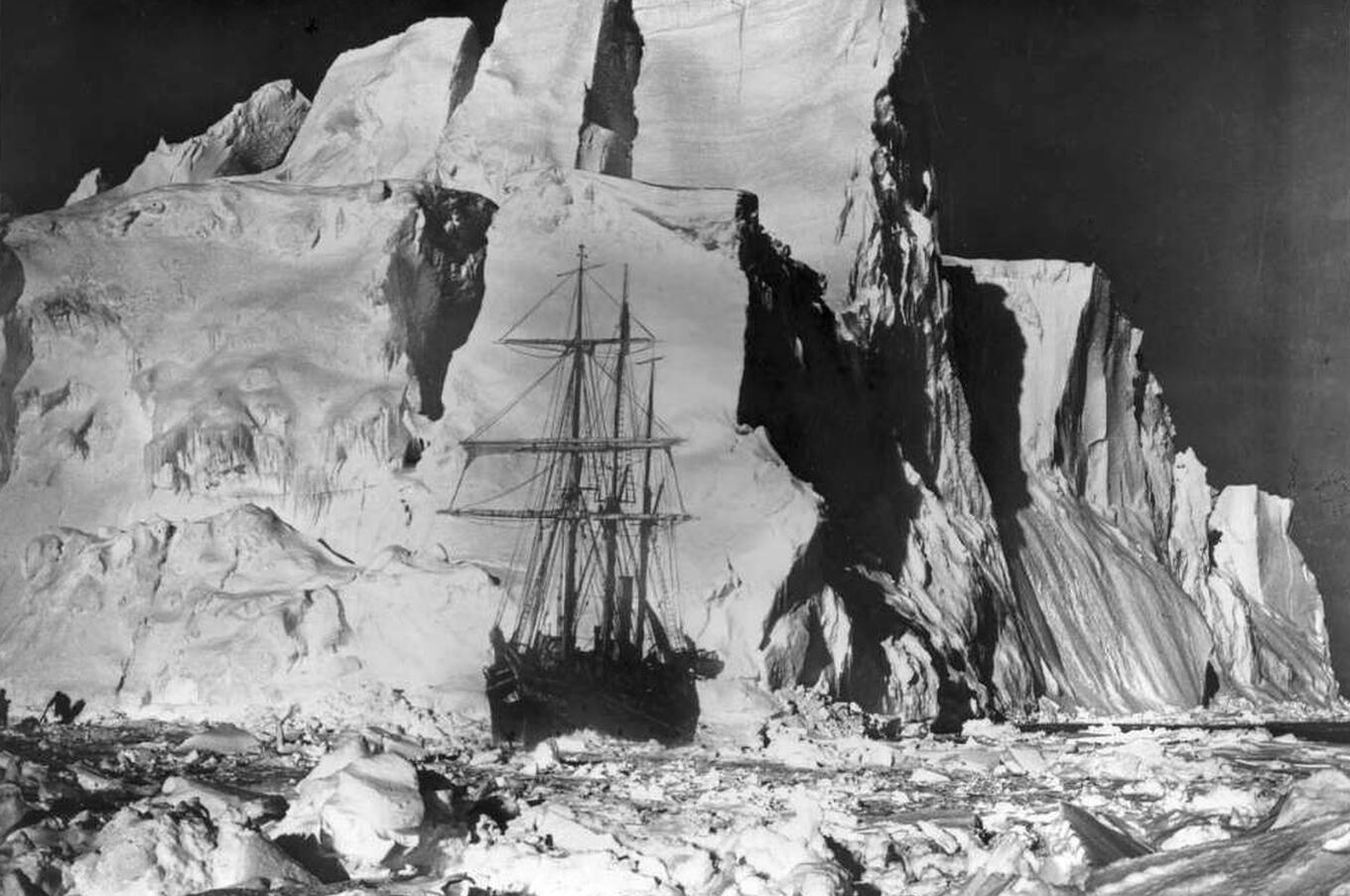
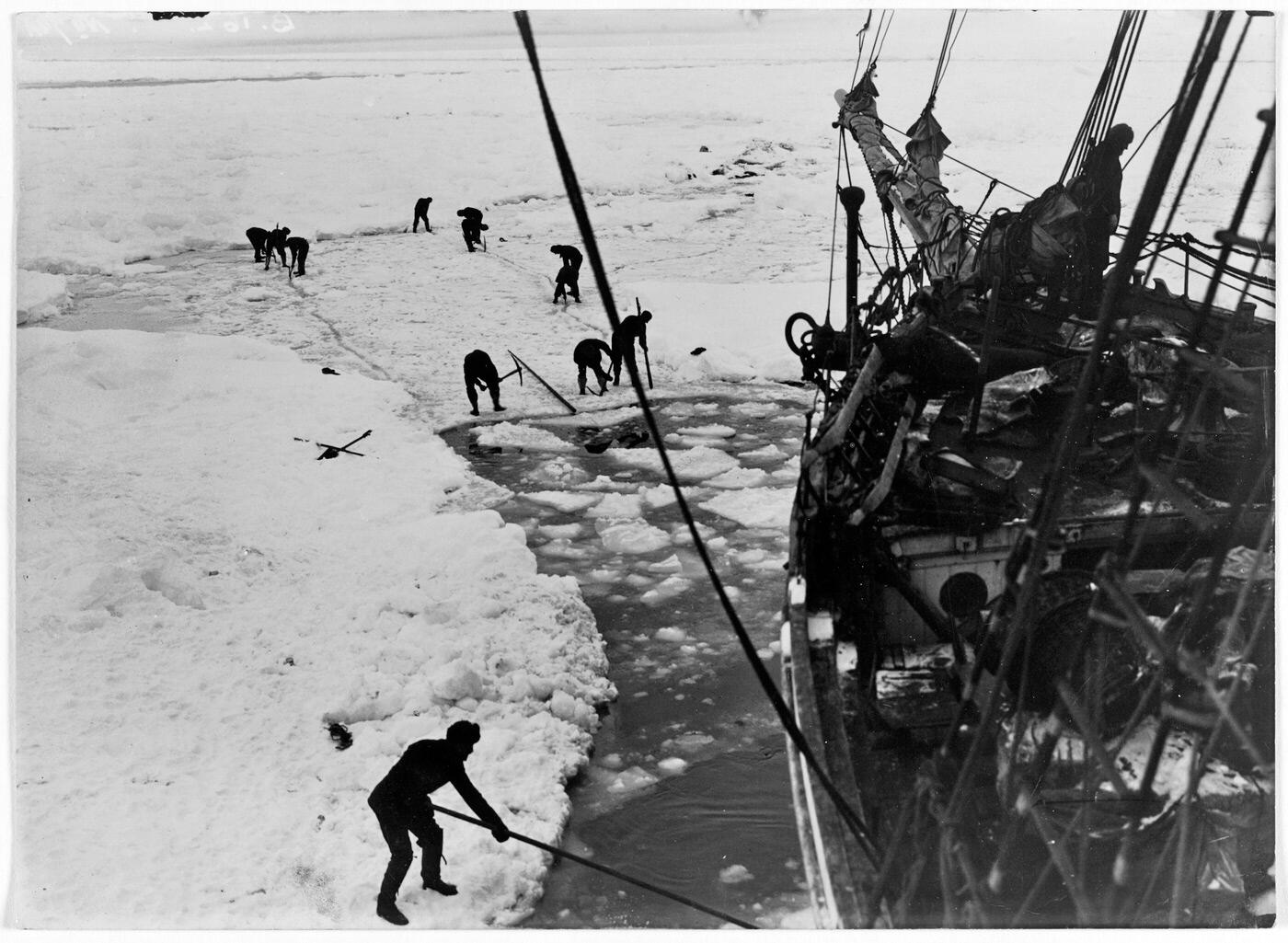
Years later, Ernest Shackleton embarked on the Endurance to cross Antarctica. The ship was trapped in the ice and sank, but Shackleton managed the impossible: keeping his crew alive for months and bringing them home safely after an epic open-boat journey to South Georgia.
He did not conquer the Pole, but he proved that the greatness of an expedition does not always lie in reaching a goal, but in saving lives, maintaining morale, and returning with everyone. His leadership is studied today in business schools and continues to inspire those who seek examples of resilience in the face of adversity.
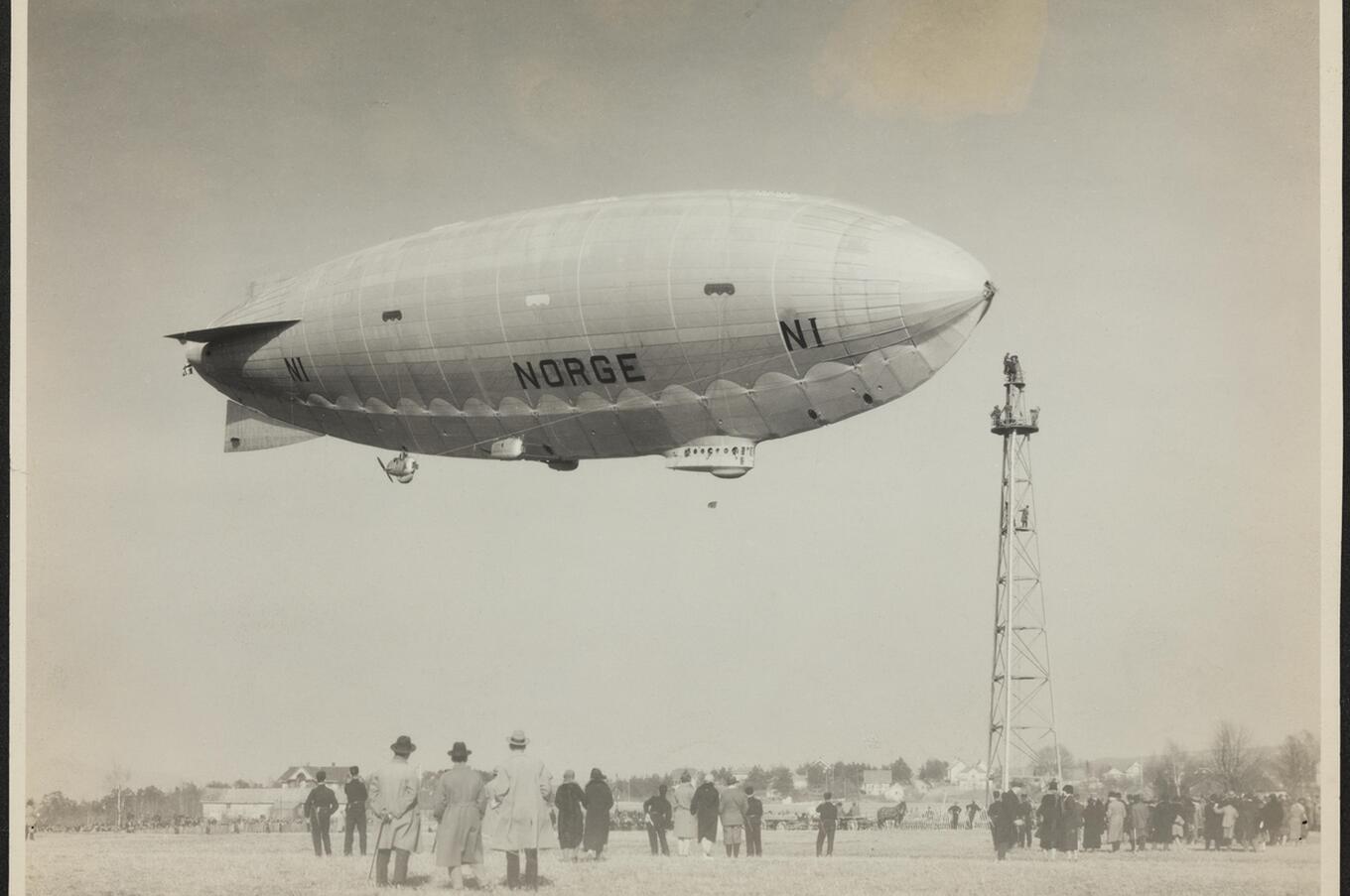
In 1926, the airship Norge took to the icy skies of the Arctic with Amundsen, the Italian pilot and engineer Umberto Nobile, and the American explorer Lincoln Ellsworth. It was the first time anyone had flown over the North Pole, settling old disputes over supposed earlier discoveries.
The expedition symbolized the entry of technology into the world of exploration: before airplanes, balloons and airships offered a new point of view, the chance to explore from the air what could previously only be reached on foot or by sled. The Norge opened a path that would transform the way of looking at extreme territories, foreshadowing the role modern aviation would play in discovery.
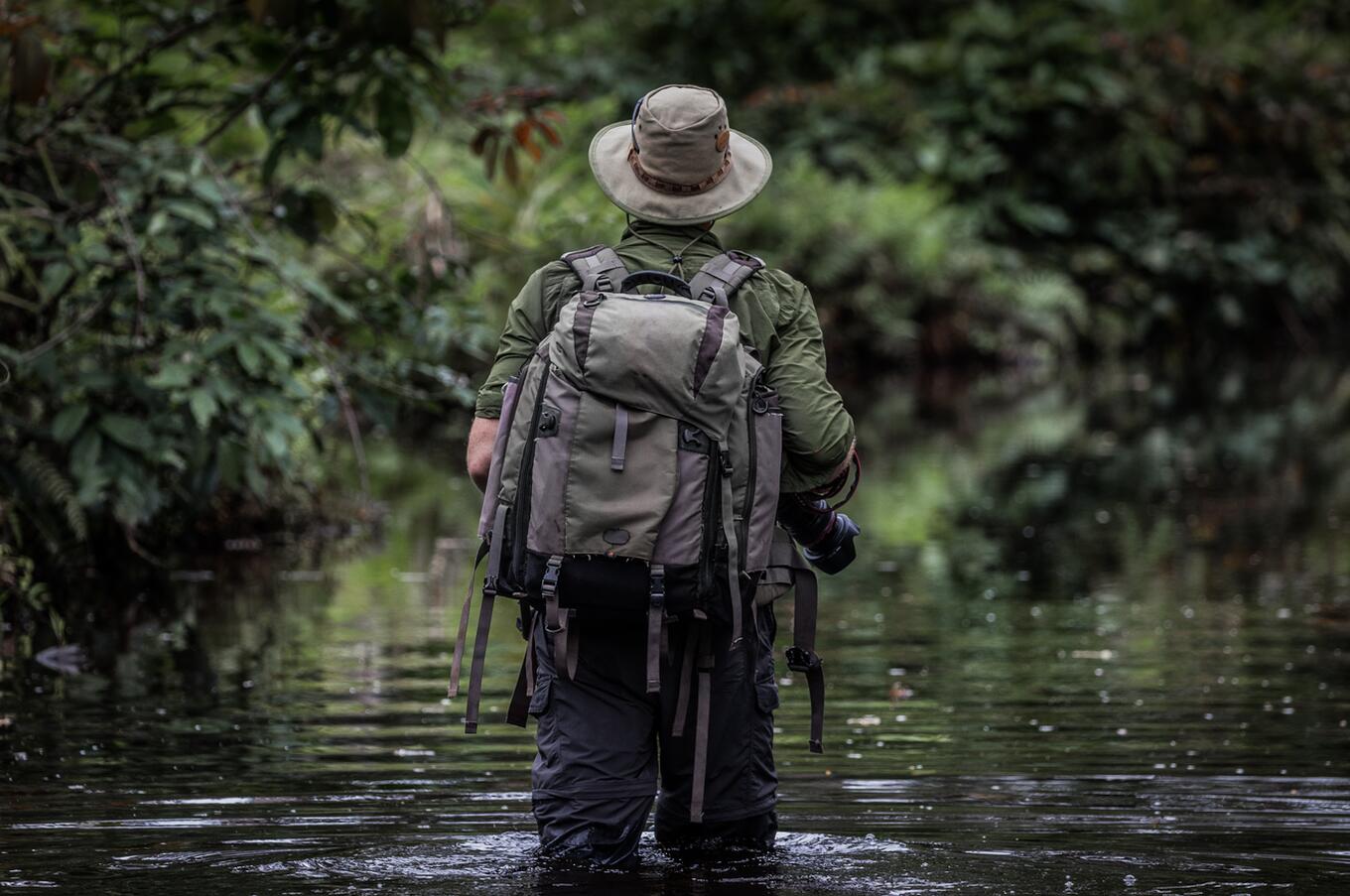
Once the whole world was explored and mapped, exploration turned to scientific knowledge, mainly archaeology, botany, biology, and anthropology. The great discoveries of ancient civilizations such as the Egyptian, the Mayan, and the Inca created a new fascination for ancient monuments like Machu Picchu and the pyramids of Egypt and new heroes like Howard Carter for his discovery of the tomb of the pharaoh Tutankhamun, or Hiram Bingham, who brought Machu Picchu closer to the world through his expedition.
Later in the twentieth century, organized tourism and the democratization of travel arrived with the newly introduced concept of paid vacations. What was once the privilege of aristocrats, scientists, and adventurers became a possibility for the middle classes. Travel stopped being a life-threatening risk and became a form of leisure. Security, organization, and comfort replaced uncertainty. And with this, the word expedition began to lose its meaning, until it became little more than a marketing slogan.
In the 21st century, the planet no longer keeps secrets. Satellites have mapped every fold of every mountain range, centuries-old roads are discovered in the impenetrable jungles of the Congo with Google Earth, drones fly over once unreachable forests, and even the deepest ocean trenches have been recorded by cameras and probes. Yet the urge to explore has not gone away. Perhaps today, true exploration is no longer geographic, but a much deeper and more personal journey.
Exploring today can mean entering a foreign culture, traveling through a landscape that is new to us, or simply seeing ourselves reflected in other ways of life. Each journey allows us to explore, not so much the territory we visit, but ourselves in it.
Transformation does not happen in a single trip. No safari or retreat changes your life overnight. Real transformation happens cumulatively, silently, almost unconsciously, in layers that overlap with each experience, each encounter, each border crossed. It is the sum of our journeys that transforms us, not a single one.
From Cook to Sir Edmund Hillary, through Humboldt, Malaspina, Shackleton, and the Norge, expeditions show us that travel was never something trivial. It was science, risk, discovery—and failure too. Today, when the term is used lightly in tourist brochures, recovering the essence of these stories is a way to give the word its meaning back.
The concept of expedition in the 21st century cannot be measured in terms of geographical discovery, but in terms of human challenge. Because deep down, what always drew us to Malaspina, Shackleton, Amundsen, and Hillary was not only that they reached an unexplored point on the map, but that they dared to face the impossible.
Transformation exists. Not in a one-off journey that changes us forever, but in the accumulation of experiences that gradually shape us. The difference between the trivialization of a slogan and true transformation lies in the challenge. When we face an extreme situation—cold, fatigue, uncertainty—and discover that we can overcome it, something shifts within us.
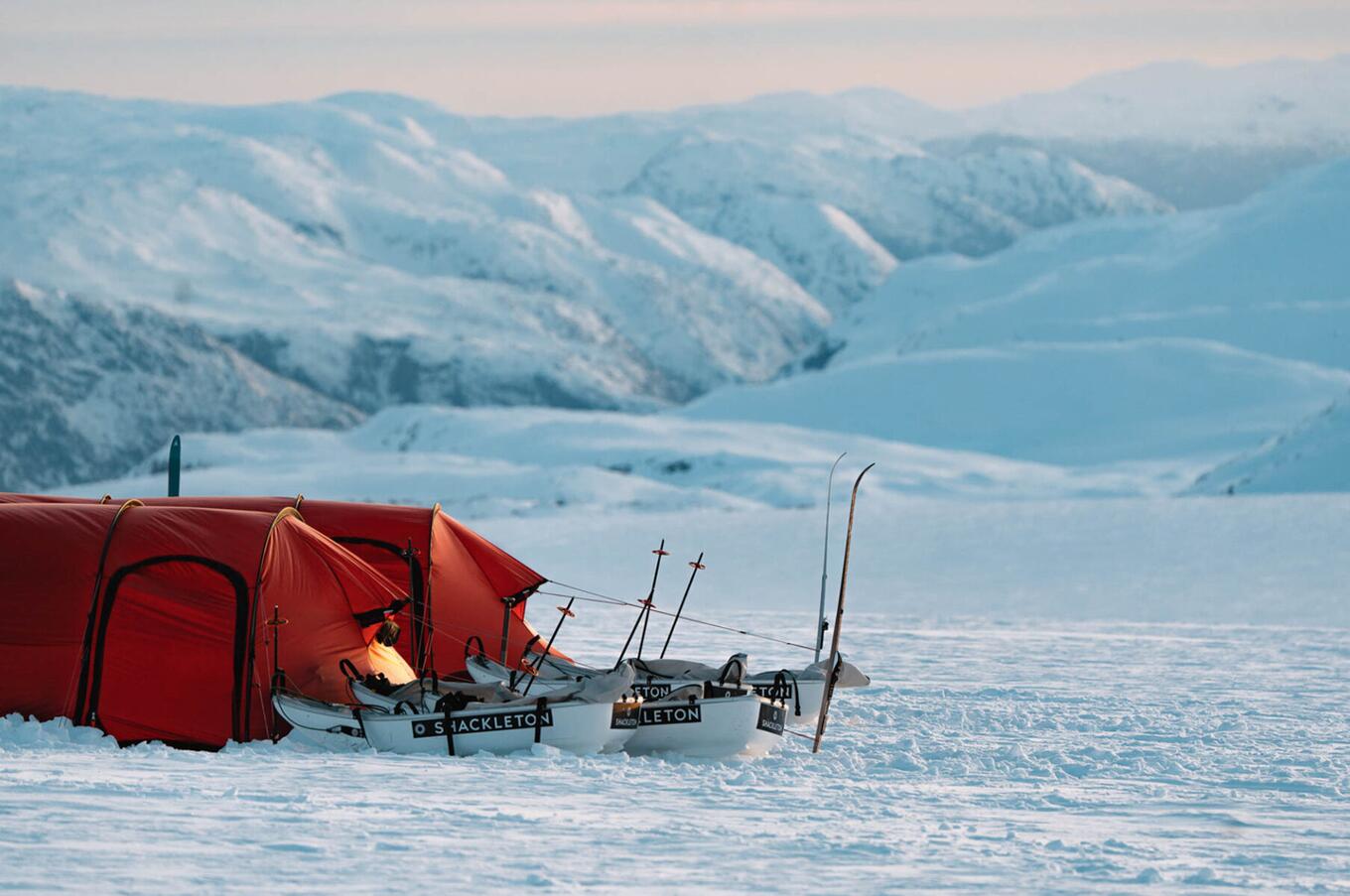
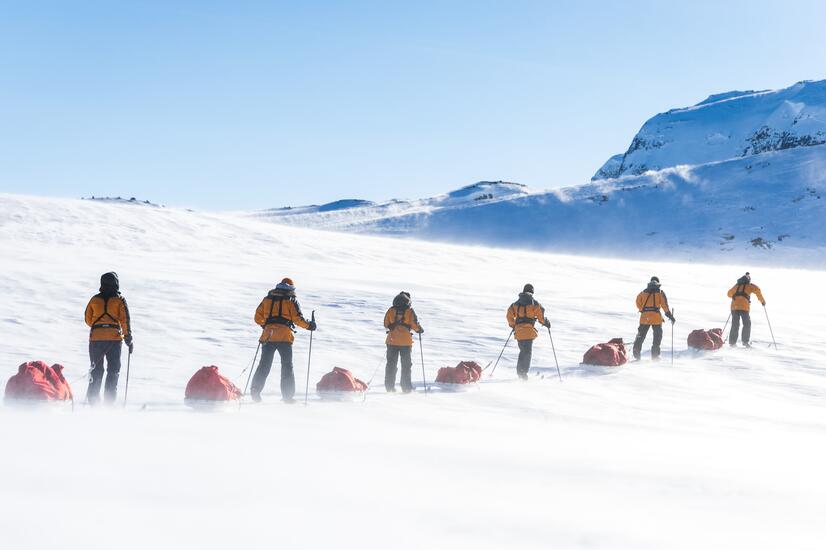
Finse, Norway. On the same glacier where Amundsen trained before setting out for the South Pole, participants haul sleds, set up camp, and learn to orient themselves in a polar environment. Cold, snow, and silence become teachers.
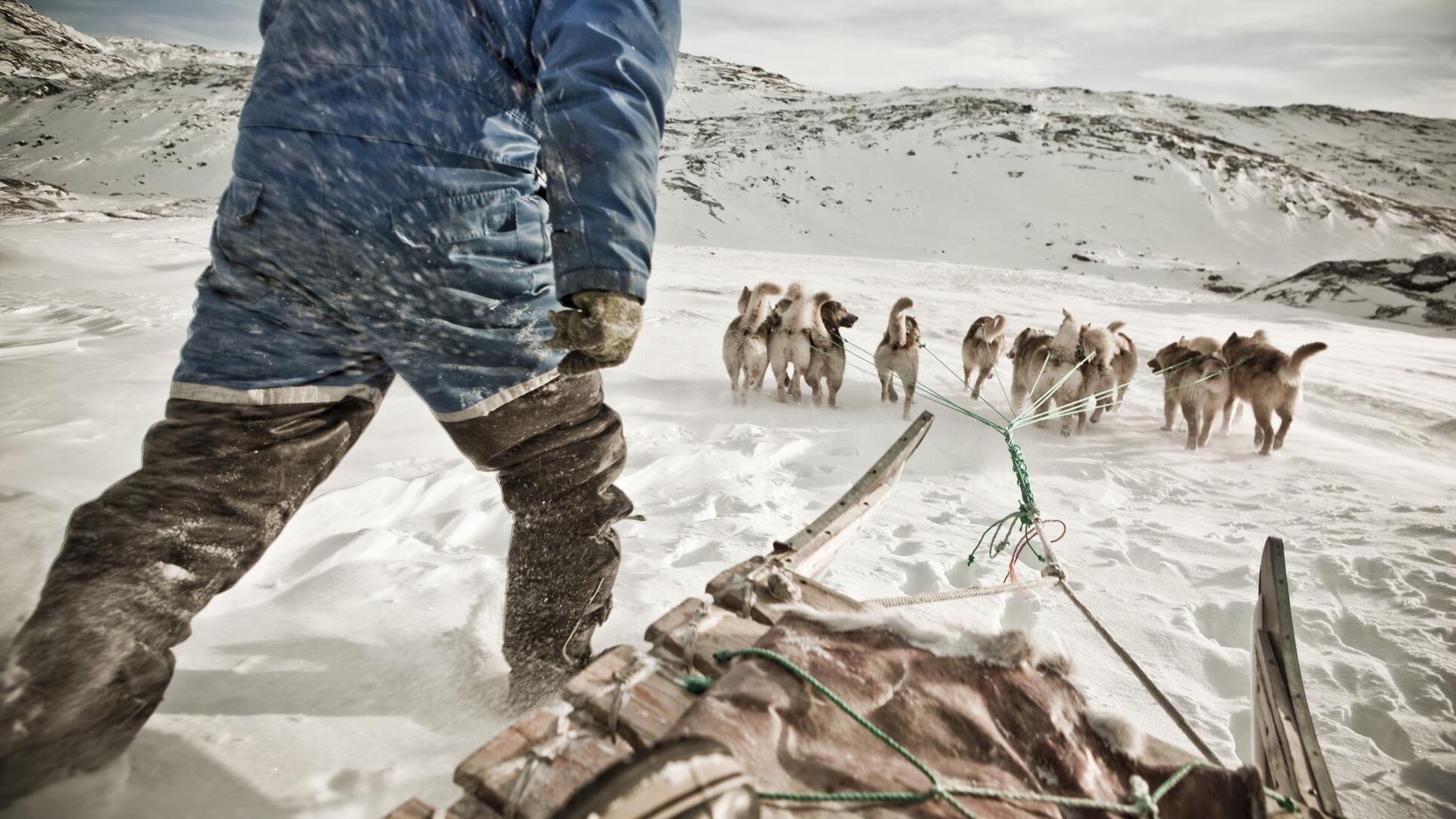
The challenge of polar pioneering. In the Arctic, the journey is as much physical as it is mental. There are no crowds or tourist-saturated summits; only white immensity and human vulnerability in the face of nature. The challenge is to learn to live with emptiness and uncertainty.
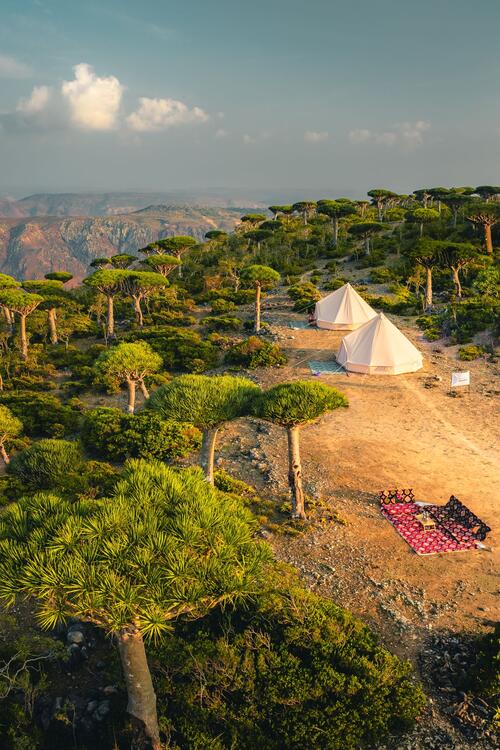
About 400 kilometers off the coast of Yemen, Socotra is known as the "Galapagos of the Indian Ocean" for its astonishing biological diversity: more than 700 species of plants and animals only exist here. Among them, the dragon trees, with their inverted tops, resembling sculptures born of the wind. Loggerhead turtles lay their eggs here between May and September, and the reefs teem with coral and unusually large parrotfish. Its landscapes—deserts that fall into the sea, red mountains, hidden oases—form a natural laboratory that has evolved at its own pace.
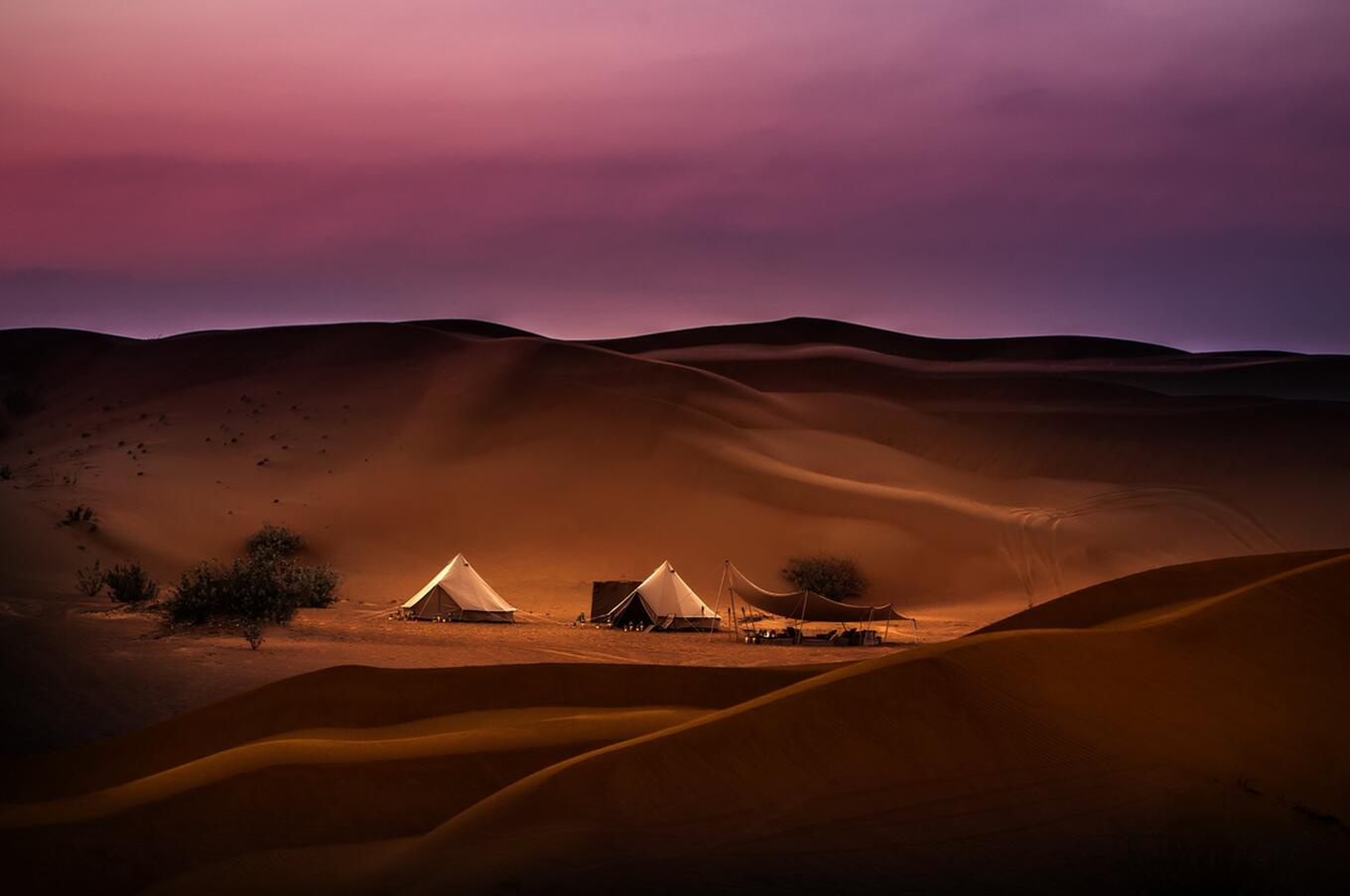
With accommodations in mobile camps, all-terrain vehicles, and specialized local guides, this expedition allows you to enter one of the most remote places on the planet. You open routes between canyons and plateaus, explore caves, cross white-sand deserts, and dive reefs that seem untouched since the dawn of time.
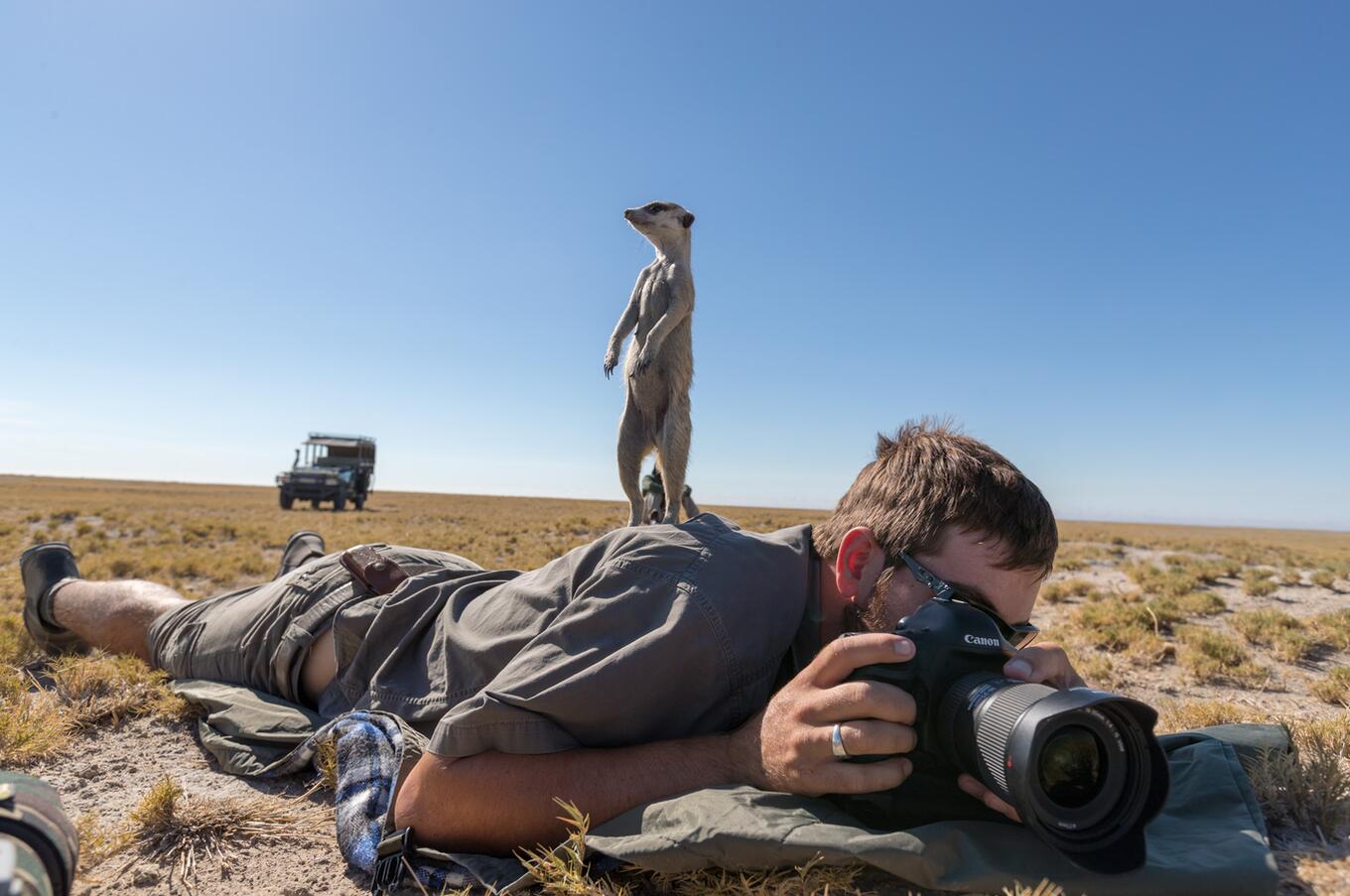
In the salt flats of southern Africa, silence reigns. To observe wildlife up close, you have to lie down at ground level and let nature set the pace. Curiosity is mutual: the explorer is observed.
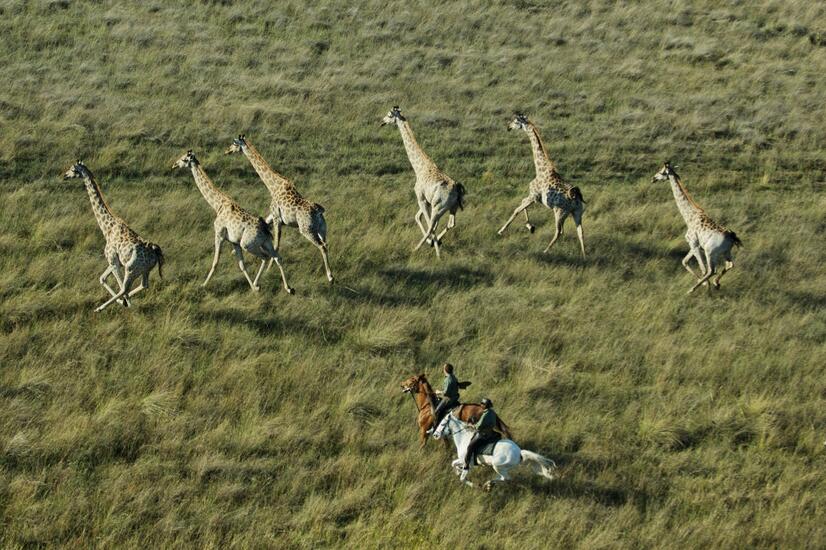
Riding alongside giraffes, the journey becomes a lesson in balance between movement and landscape. There are no paths or marked trails: only the pulse of the savannah and trust in instinct, that inner compass that guides real explorers.