

Chongqing, China's logic-defying futuristic city
Explore China's most striking architecture: trains passing through buildings, floating plazas and interconnected skyscrapers in Chongqing.
On a trip to Costa Rica, learning doesn't take place within the walls of a classroom. Here, lessons emerge as you hike through century-old jungles, glide over the rapids of its mighty rivers, or wander through landscapes shaped by the fire of volcanoes. For families looking for more than just a vacation, this country becomes a true "living school."
Family travel to Costa Rica is an opportunity to learn firsthand about the biodiversity, culture, and natural processes of a country that epitomizes sustainability. But it's not about absorbing information as spectators, but about actively participating in projects, living new experiences, and connecting with an environment that inspires you at every corner.
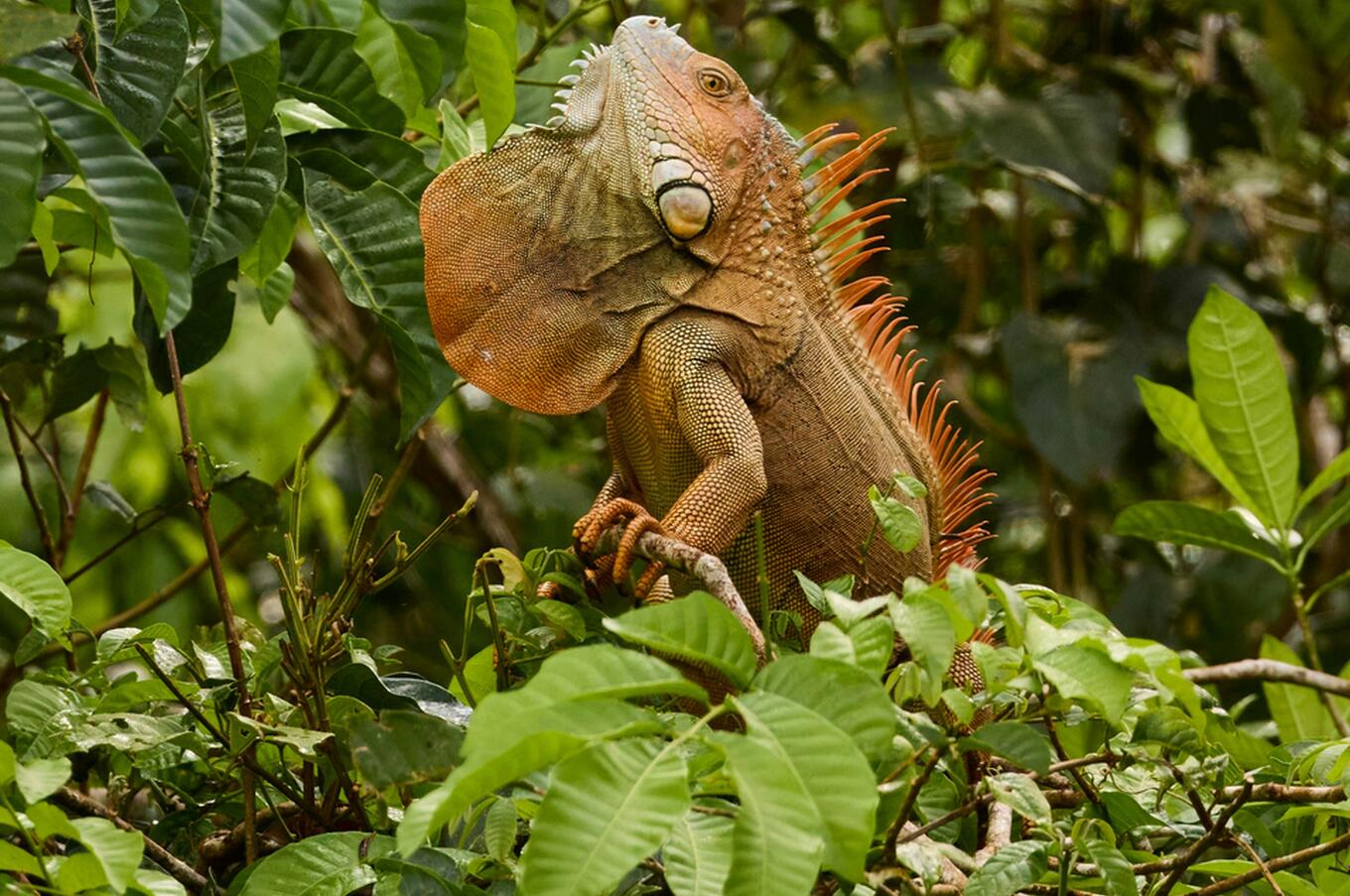
Costa Rica is home to just over 6.5% of the world's biodiversity in less than 0.03% of the earth's surface. Compared to Brazil, which contains between 15% and 20% of the planet's entire biodiversity, this small country is a true mosaic of ecosystems that, thanks to its small size, allows you to discover them comfortably in a single trip.
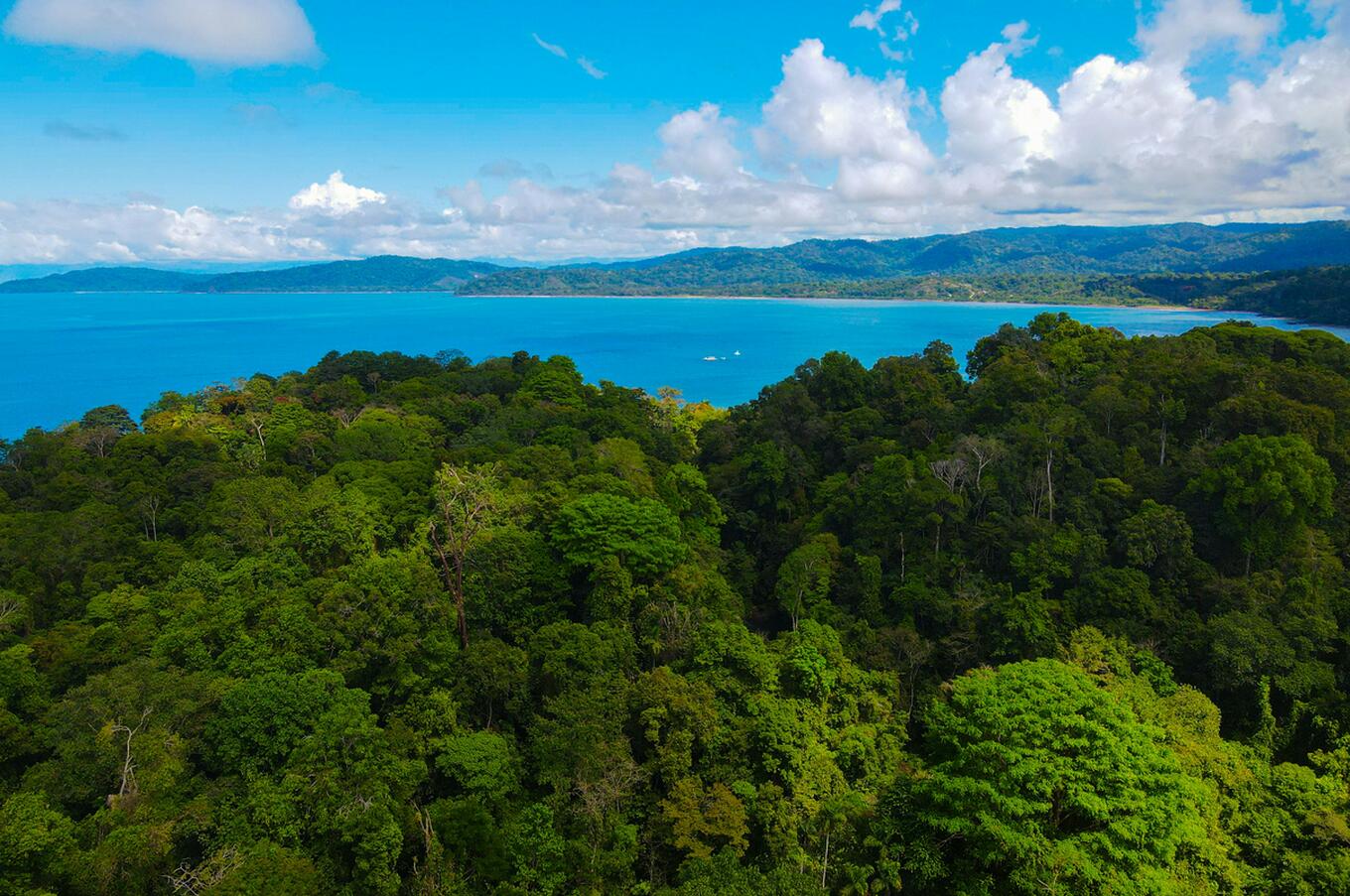
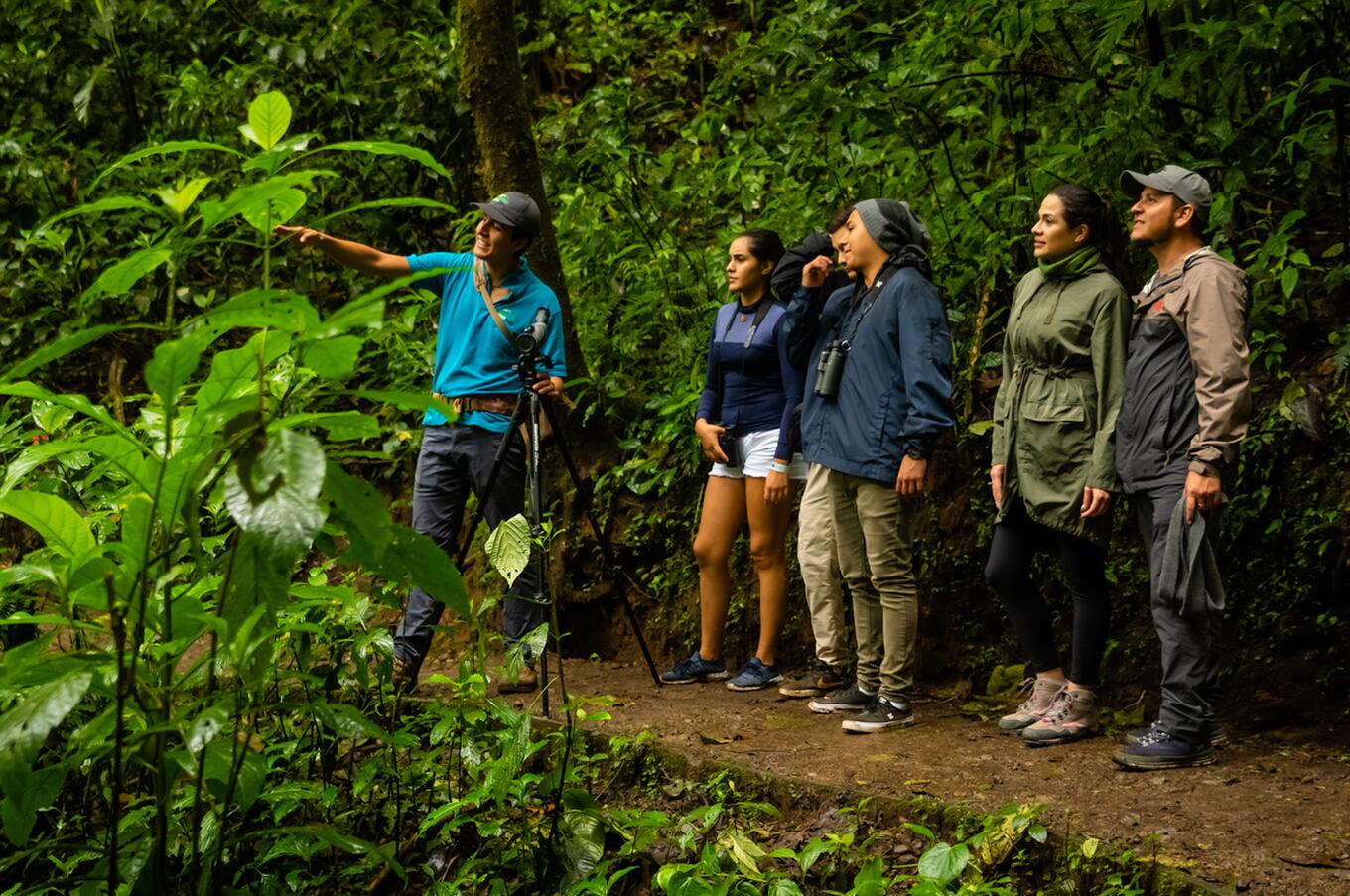
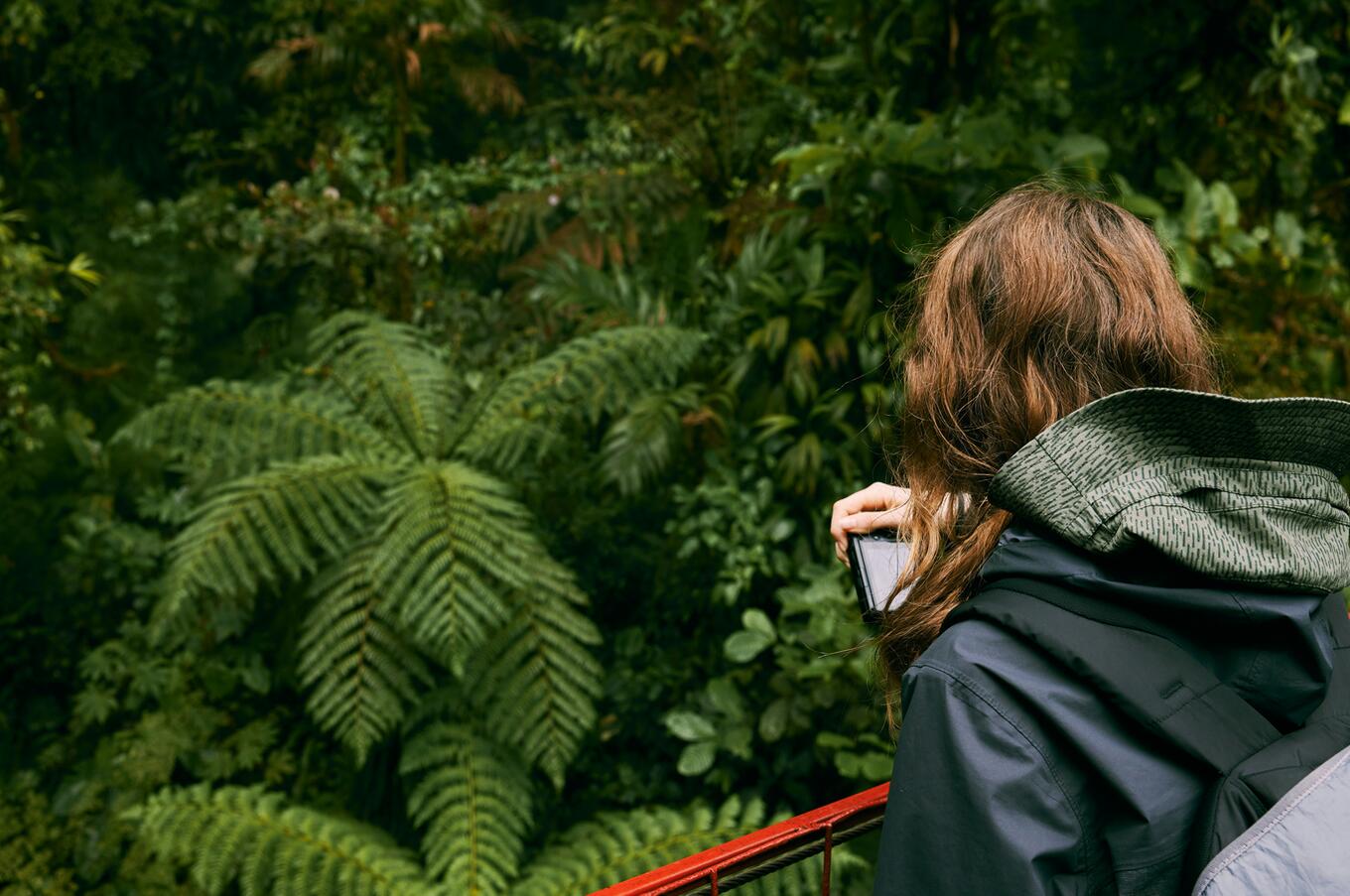
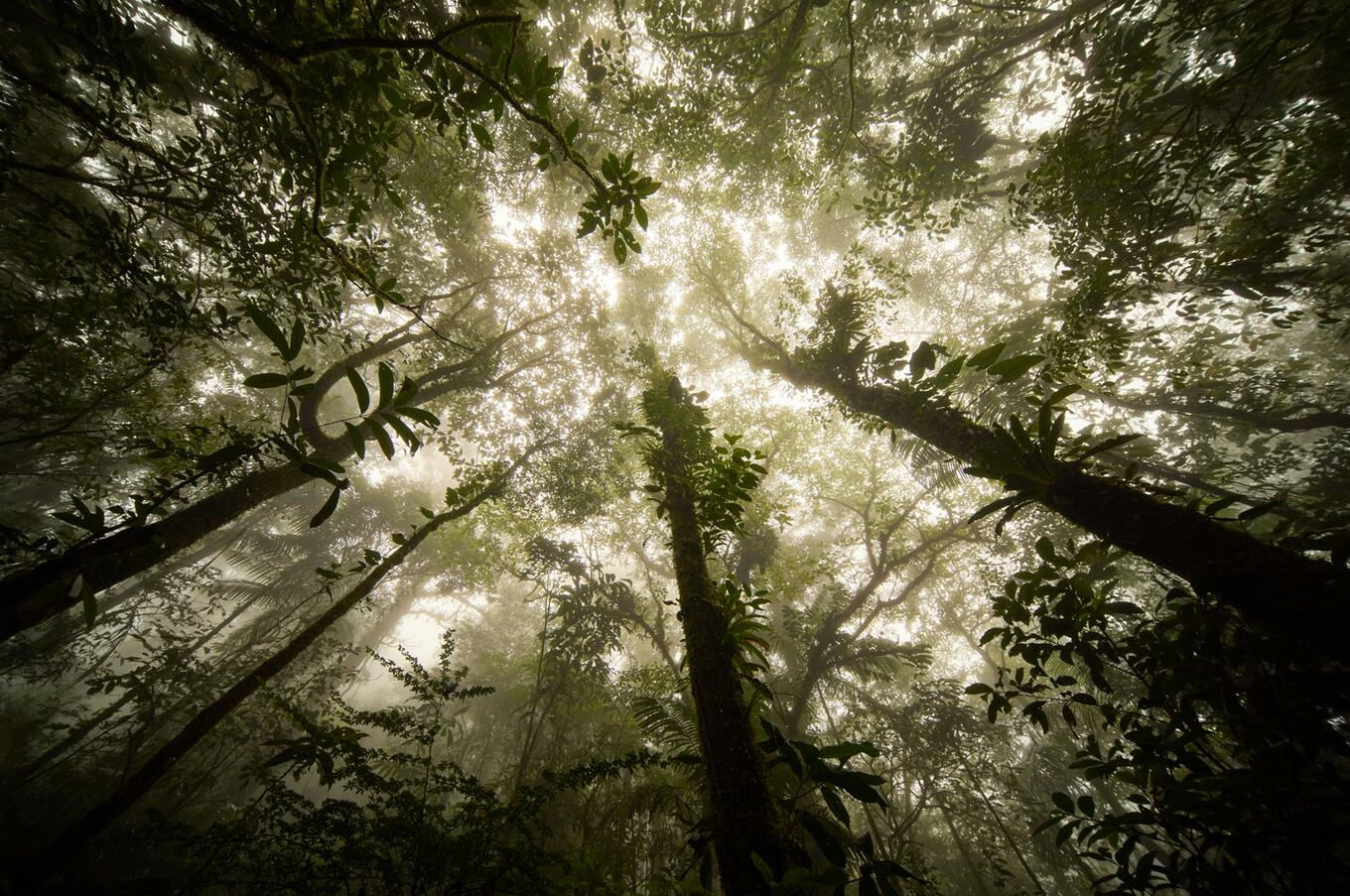
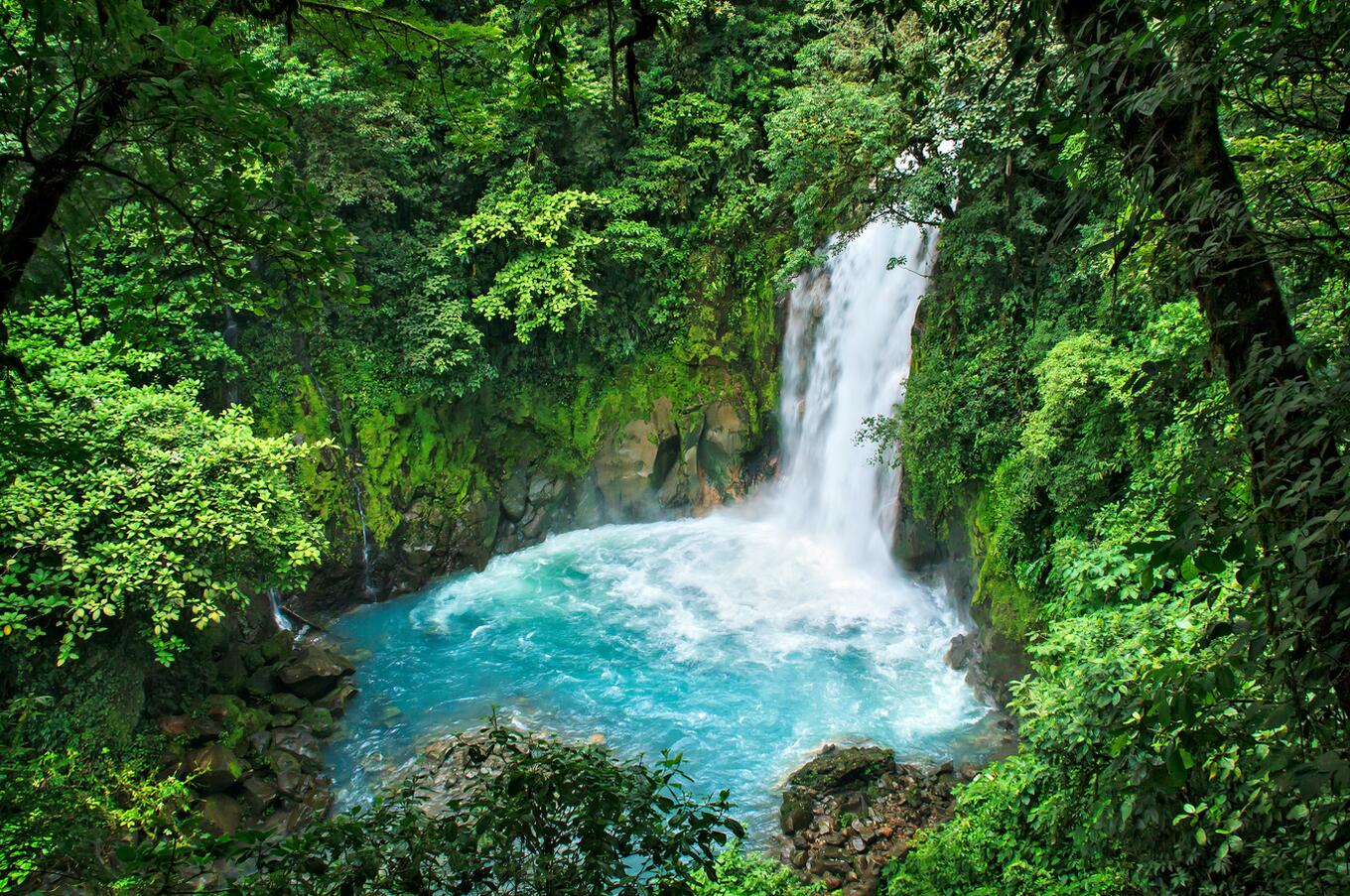
In Corcovado National Park, known as the most biologically intense place on the planet, according to National Geographic, trails wind through primary rainforests that resemble a living classroom. Under the guidance of a specialized guide, you learn to identify emblematic species such as tapirs, vibrantly colored poison dart frogs, thousands of native birds, and majestic jaguars. In Monteverde, a walk across its hanging bridges or an adrenaline-filled zip-line flight offers a completely different perspective: from the heights, the cloud forest looks like an endless green ocean.
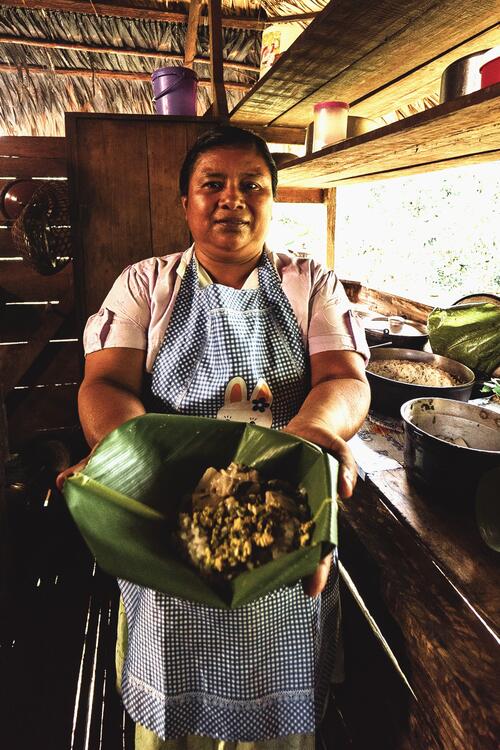
Beyond its nature, Costa Rica is also a country full of history, traditions, and flavors to discover. Participating in workshops with indigenous communities, such as the Boruca, the Bribri, or the Maleku, allows visitors to learn about the views, crafts, and ancestral customs of these ancient peoples.
Gastronomy is undergoing a transformation that goes beyond taste: it is a declaration of principles. Sustainability and proximity cuisine are becoming the heart of the Tico culinary scene, with chefs prioritizing indigenous ingredients and fresh seasonal produce. Fruits such as pejibaye, criollo cacao, and traditional herbs, formerly relegated to rural cuisine, now star on menus that celebrate the country's richness. Restaurants such as Sikwa, in San José, fuse indigenous heritage with modern techniques, while initiatives such as farmers' markets promote a conscious consumption model. In addition, sustainable fishing and the rescue of endemic species, such as red snapper or palm heart, are leading trends, positioning the country as a benchmark in responsible gastronomy, where respect for the land and the sea is present in every dish.
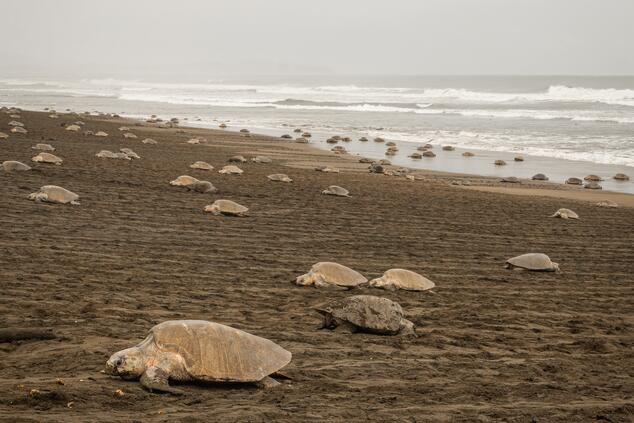
But the interaction does not end here. Conservation projects such as the Ostional refuge allow people to participate in the release of turtles during the arribada, when thousands of turtles arrive on the coast between July and November to lay their eggs. Another example is the scarlet macaw reintroduction project in Punta Islita, Guanacaste, on the Pacific coast, where visitors can learn about efforts to save these emblematic birds from extinction. These activities not only educate, but also inspire young people to value and protect nature.
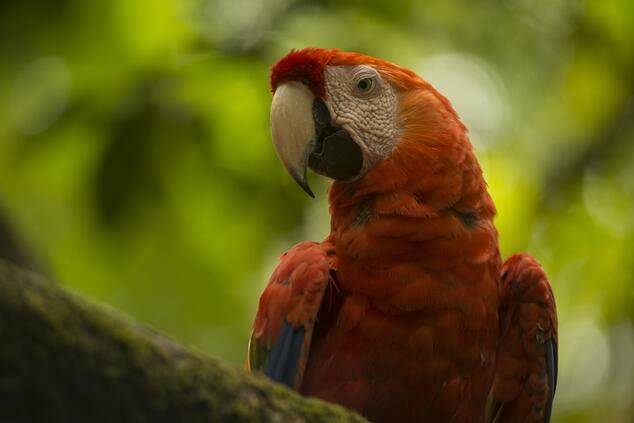
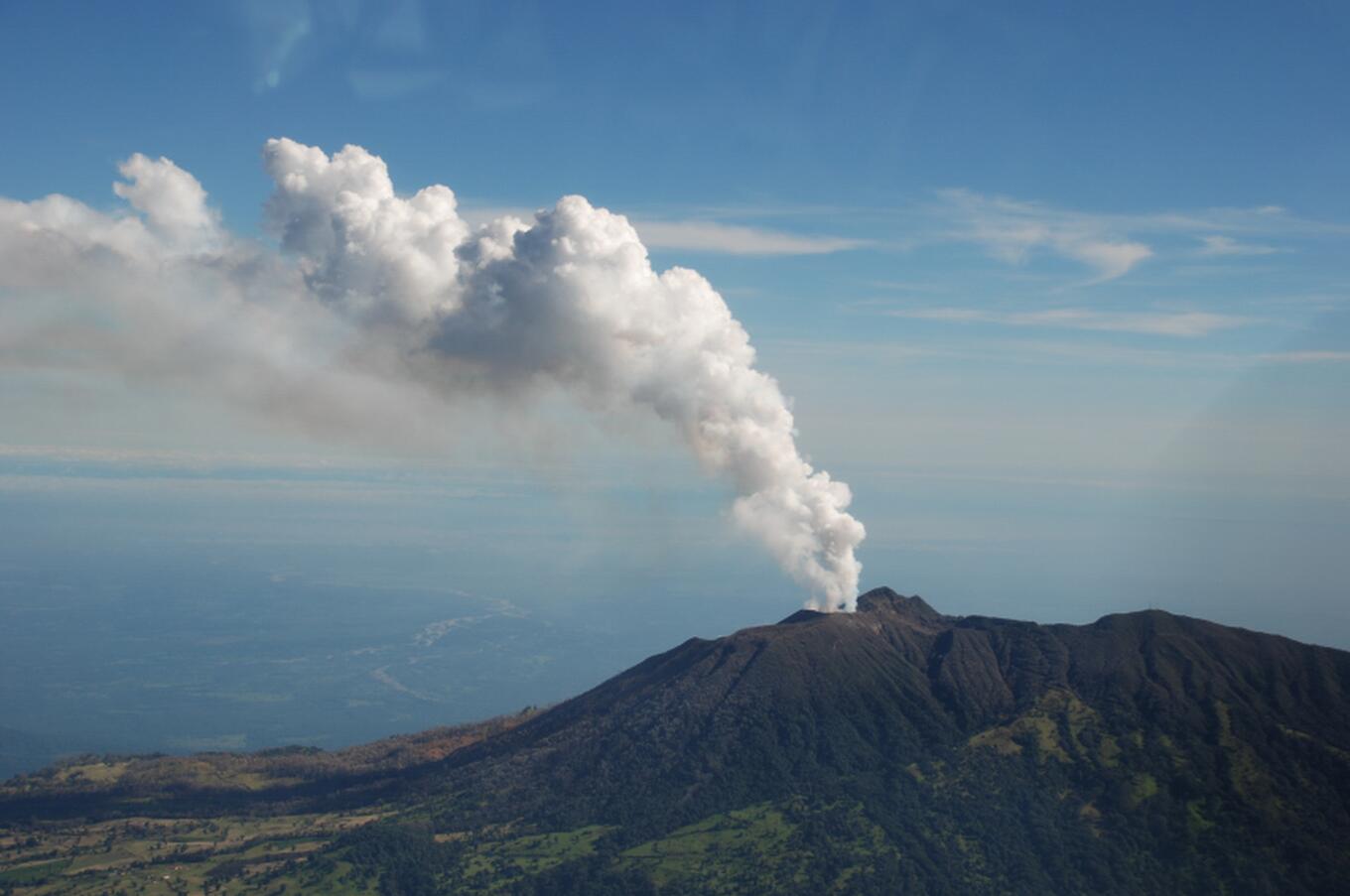
Volcanoes are silent contributors to the country's geological and ecological transformation, and omnipresent on any trip to Costa Rica. Beyond their majesty, they play a fundamental role: volcanic ash enriches the soils, contributing to the country's fertility and impressive biodiversity.
The Arenal Volcano, with its characteristic conical shape, is an excellent starting point for learning about geological cycles. Although now inactive, its surroundings have trails where you can observe solidified lava streams and learn about the workings of tectonic plates.
The Rincón de la Vieja National Park, meanwhile, offers a unique multisensory experience. Walking among fumaroles and bubbling mud pools is not only breathtaking, but also reveals the Earth's inner heat. This park is ideal for more adventurous families who want to explore how volcanic processes shape the landscape. In addition, the Poás Volcano, with one of the largest active craters in the world, allows you to understand the impact of eruptions on the climate and surrounding vegetation, that is, after a good hike on its slopes.
For those looking for a more interactive experience, there are centers such as the Observatorio Vulcanológico y Sismológico de Costa Rica (OVSICORI), where it's possible to learn how volcanoes and their associated phenomena are monitored. In the lava caves of the Tenorio National Park, you can live a unique experience discovering a whole underground world by entering its caves.
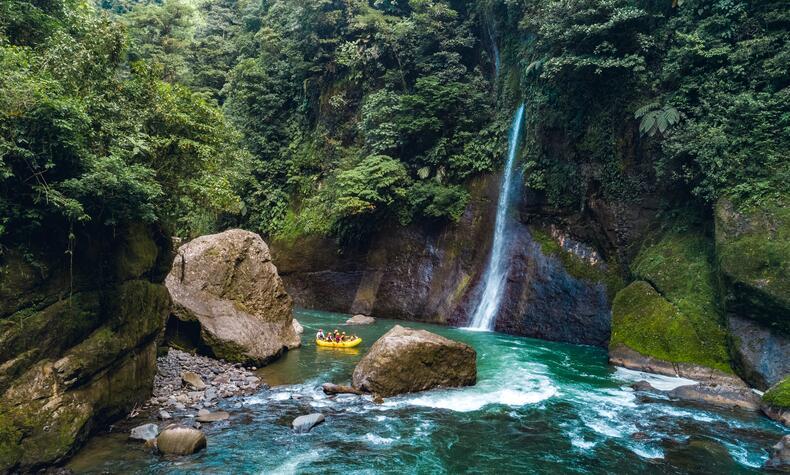
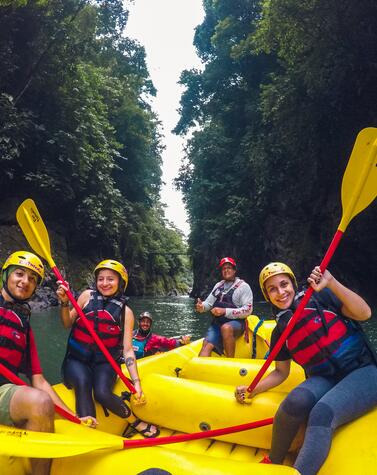
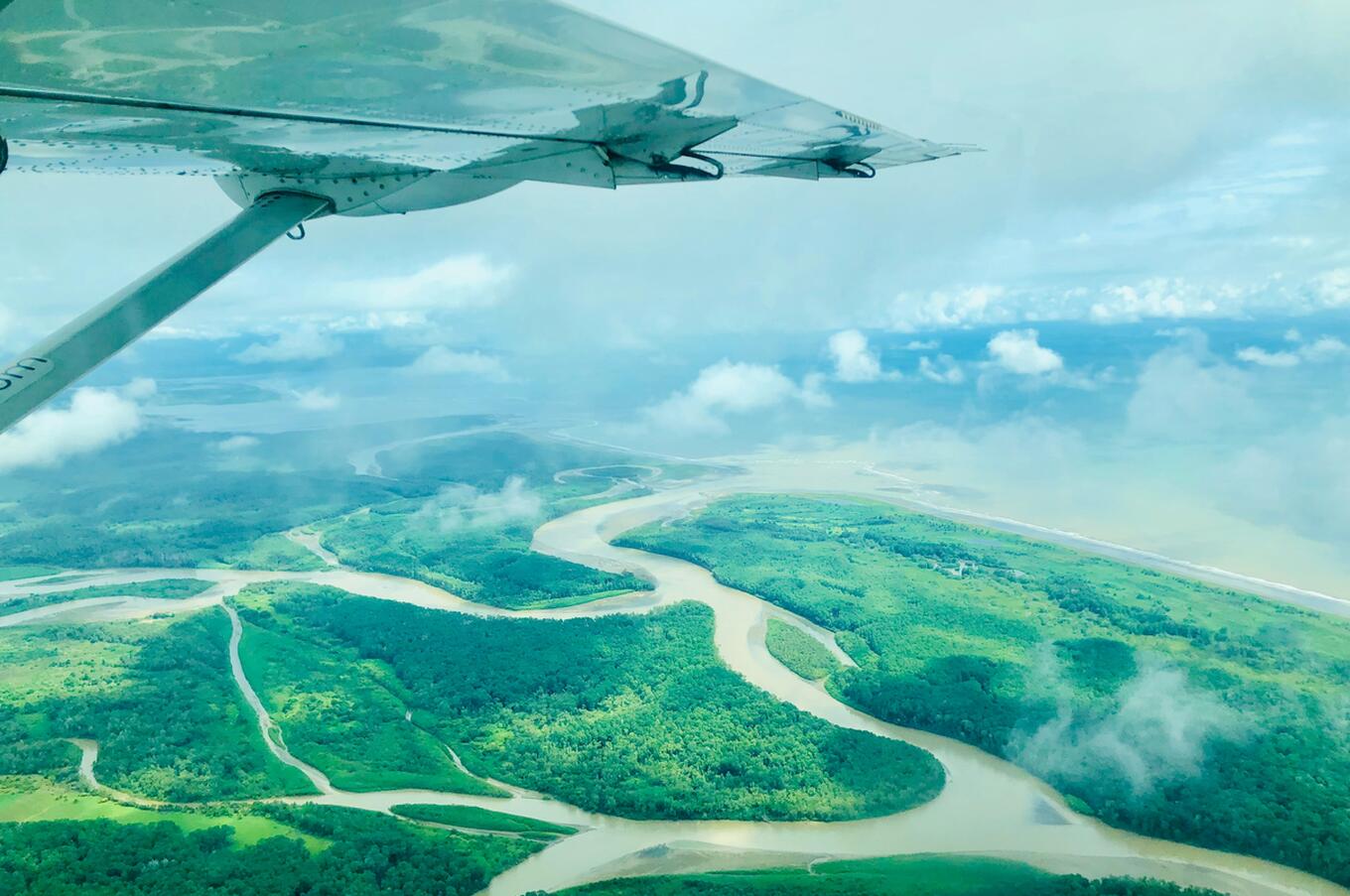
In Costa Rica, water is not only life; it is also a stage for learning and connecting on a journey with a touch of adventure. Rafting on the Pacuare River, considered one of the best in the world, offers an exciting and educational experience. While descending its rapids, you discover an entire river ecosystem only visible from its rivers that cross otherwise inaccessible areas, from the birds that inhabit the banks to the vegetation that grows along its banks. More than an extreme activity, it is an opportunity to be, for a moment, part of the river and understand its vital role in the ecosystem.
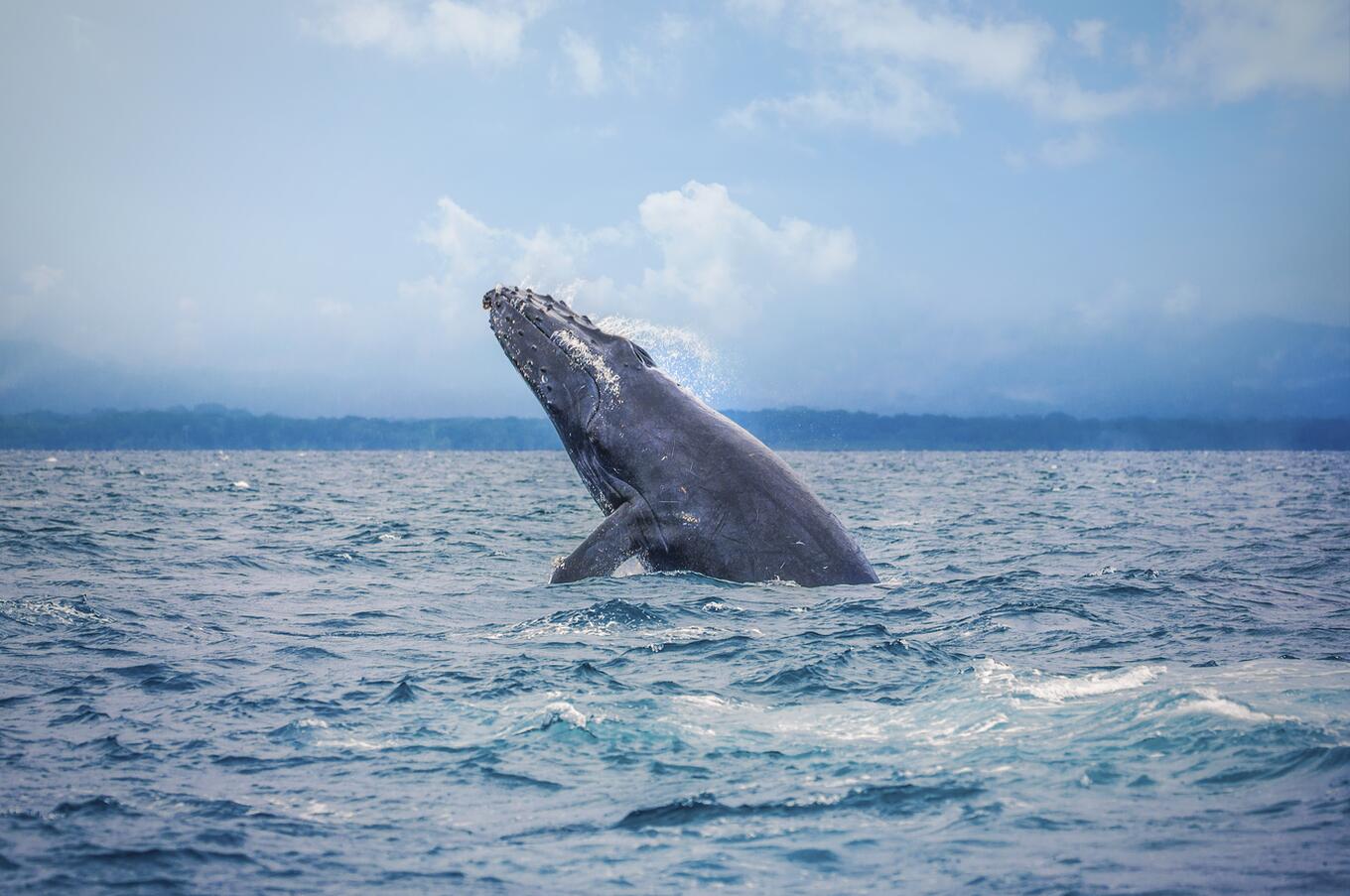
At sea, the adventure continues. Perhaps the Tortugero National Park is the most famous for the turtle nests off its shores, but in places like Cahuita or the islands of the Gulf of Papagayo, snorkeling and scuba diving reveal an underwater world full of color and movement. The coral reefs, home to tropical fish and sea turtles, allow you to explore an underwater ecosystem by diving or snorkeling. In addition, in Drake Bay, visitors can join educational projects that study dolphins and humpback whales, discovering the impact of climate change on these species.