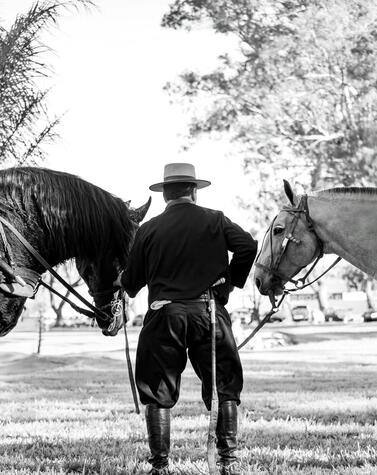
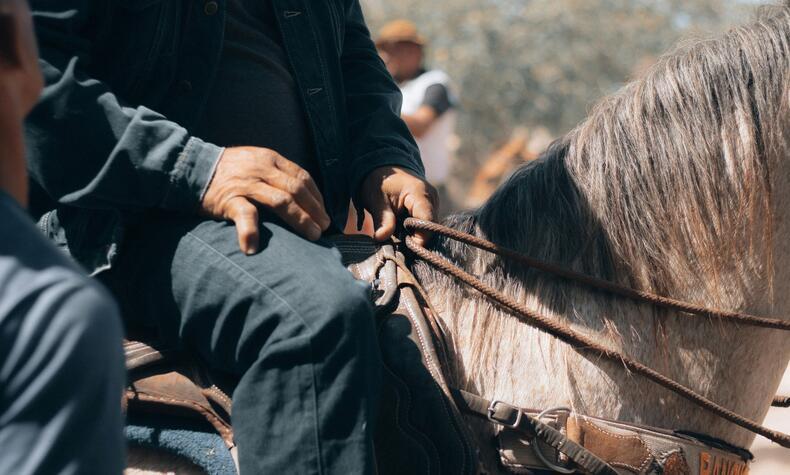
The gauchos: myth, craft, and freedom in the pampas
At once mythic and real, the gaucho still sets the rhythm of the Argentine countryside: the origins of cattle ranching, sheep shearers, and silversmiths.
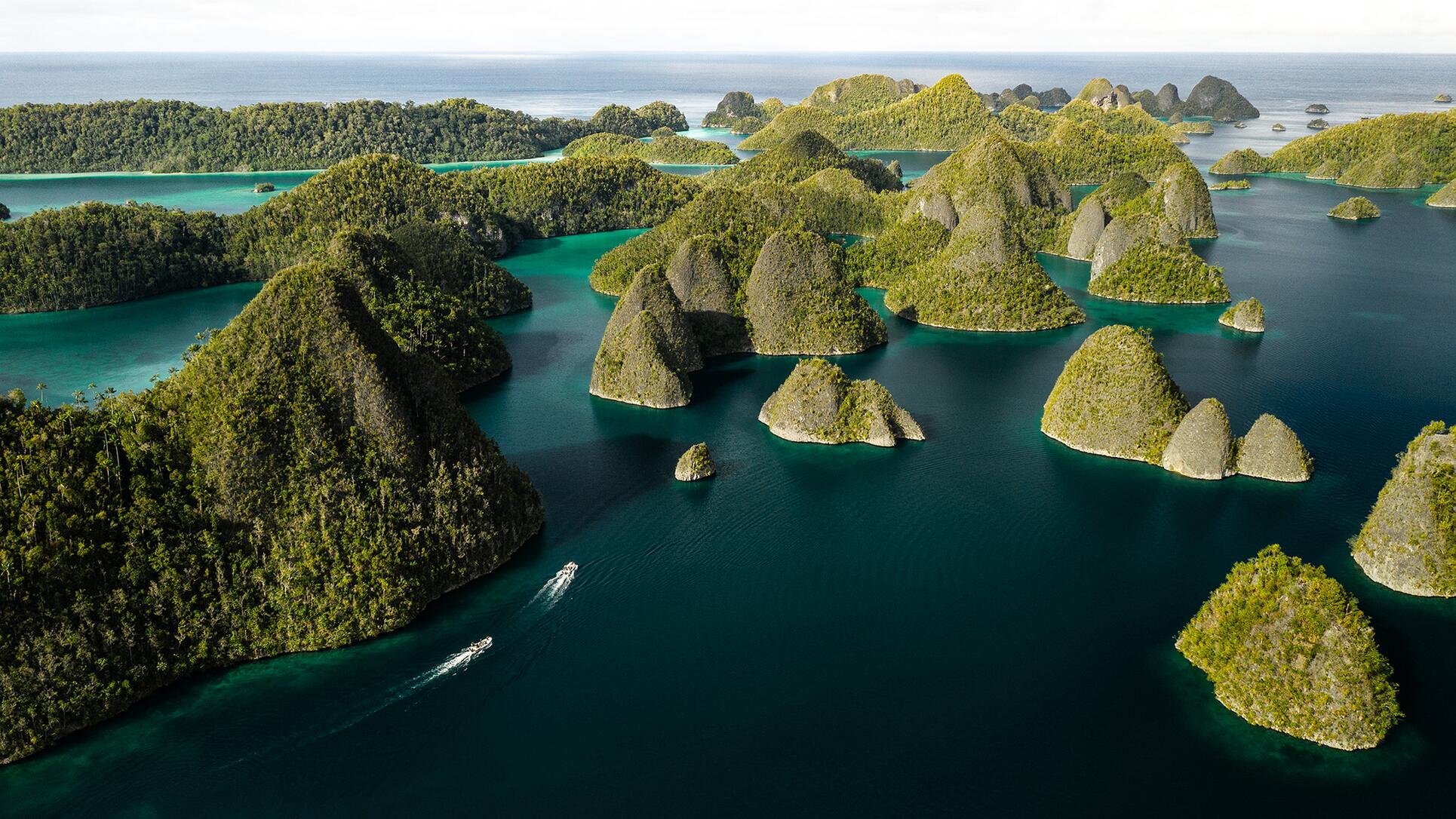
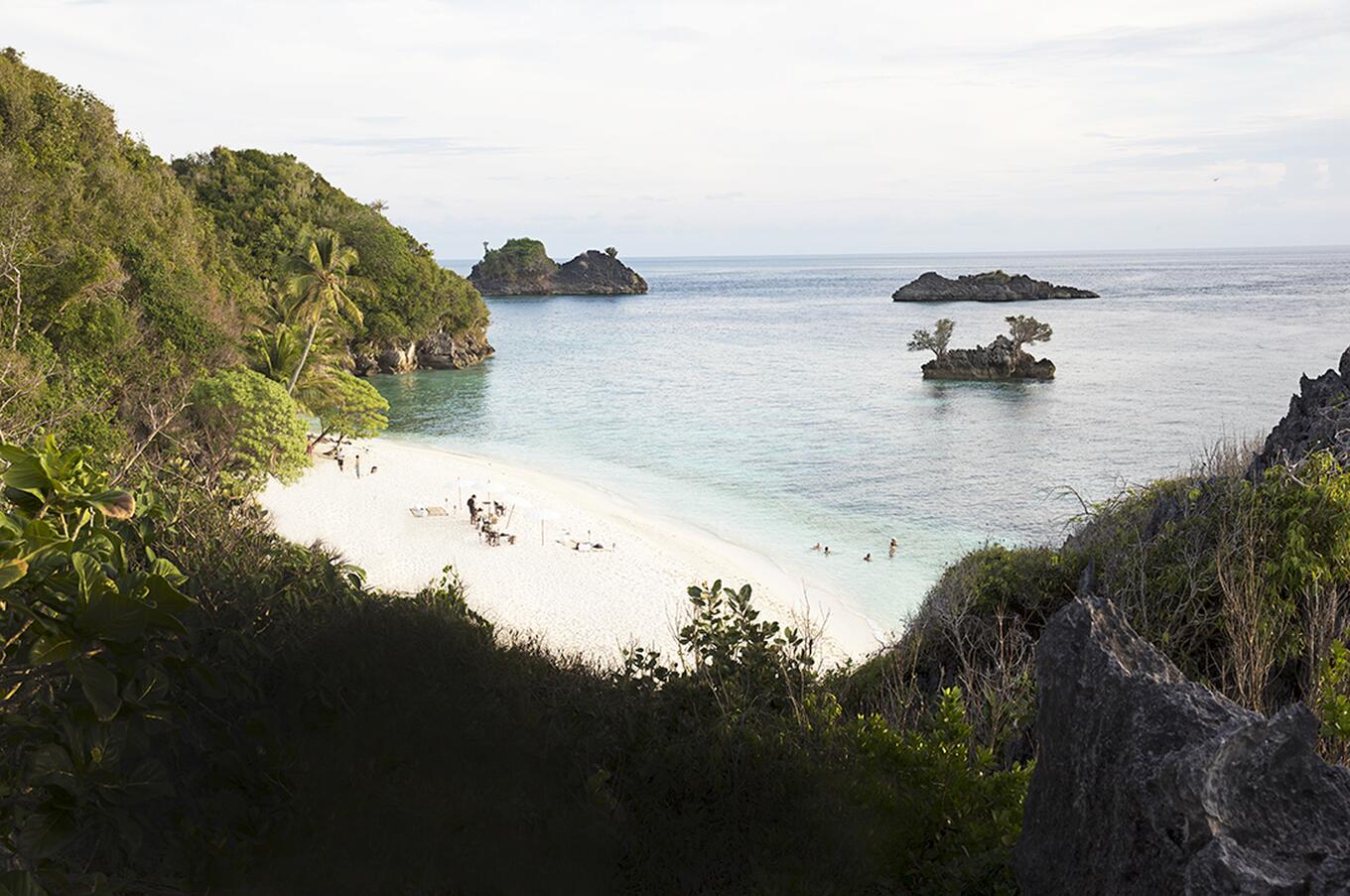
There are places that resist being reached. Raja Ampat is one of them. You don't stumble onto it by chance, and you don't visit on a whim: you go because something in its name — that cadence of syllables that sounds like tide and jungle — sparks a curiosity that never fades. After flights, layovers, and hours at sea, the horizon opens onto a constellation of green islands that seem to float on the clearest water on the planet. Here, everything moves at a different pace, as if time itself had learned to hold its breath.
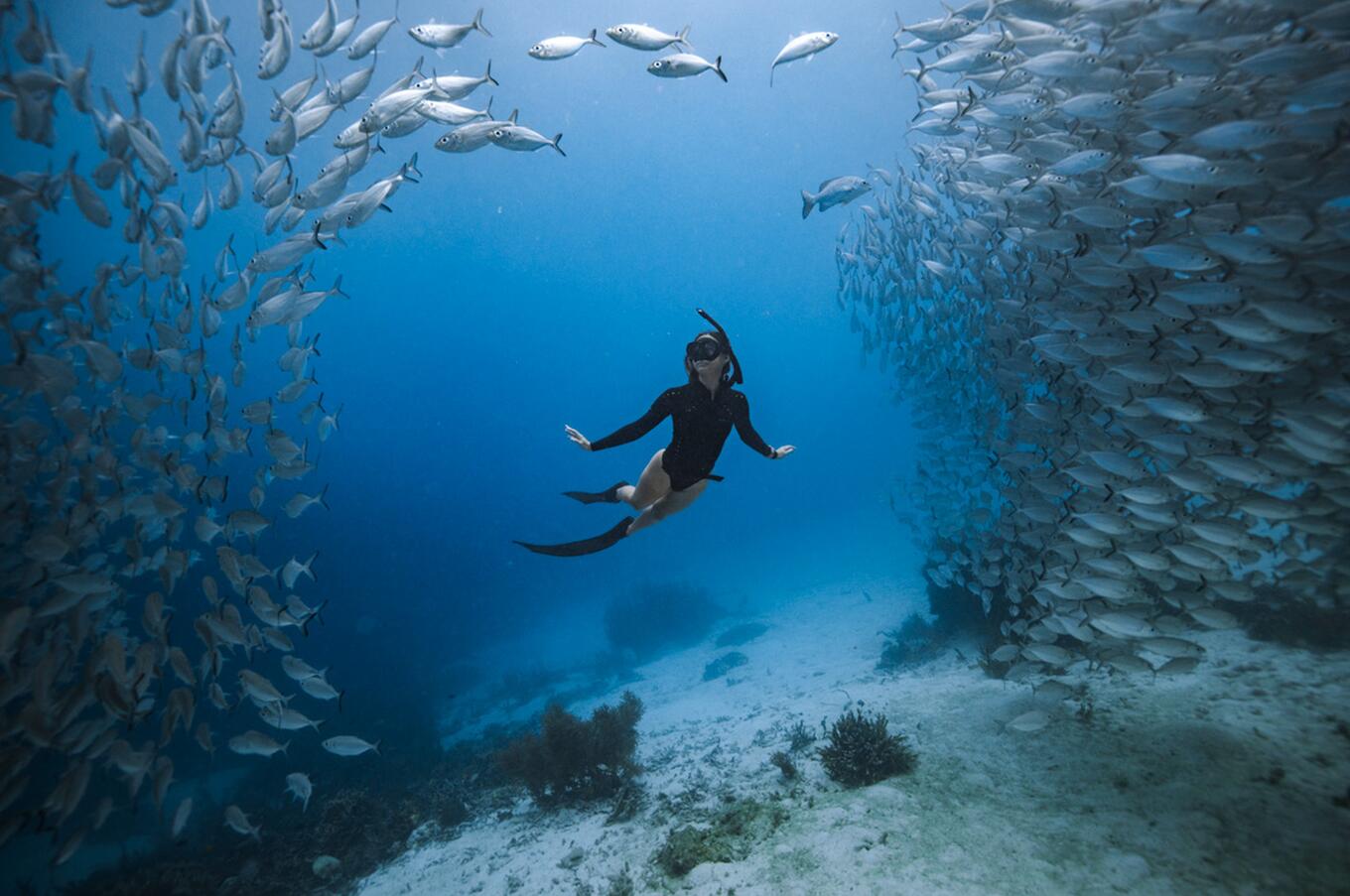
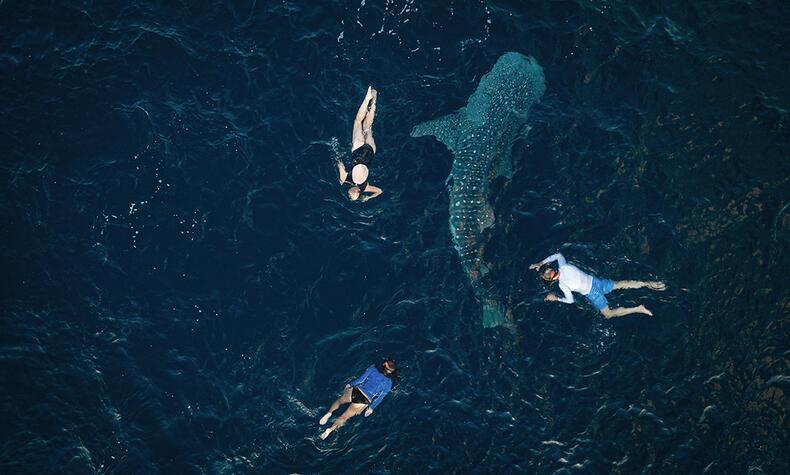
Beneath the surface, life doesn't just exist — it explodes. The reefs of Cape Kri, Fam, and Misool hold more marine species than the entire Caribbean. Scientists have counted more than 1,600 species of fish and 600 types of coral in these waters: wobbegong sharks hidden in the sand, manta rays gliding like slow-moving wings, and schools of trevally swirling with almost choreographed precision. This is the heart of the Coral Triangle, a natural sanctuary where every dive is a reminder that the planet still has pristine places left to discover.
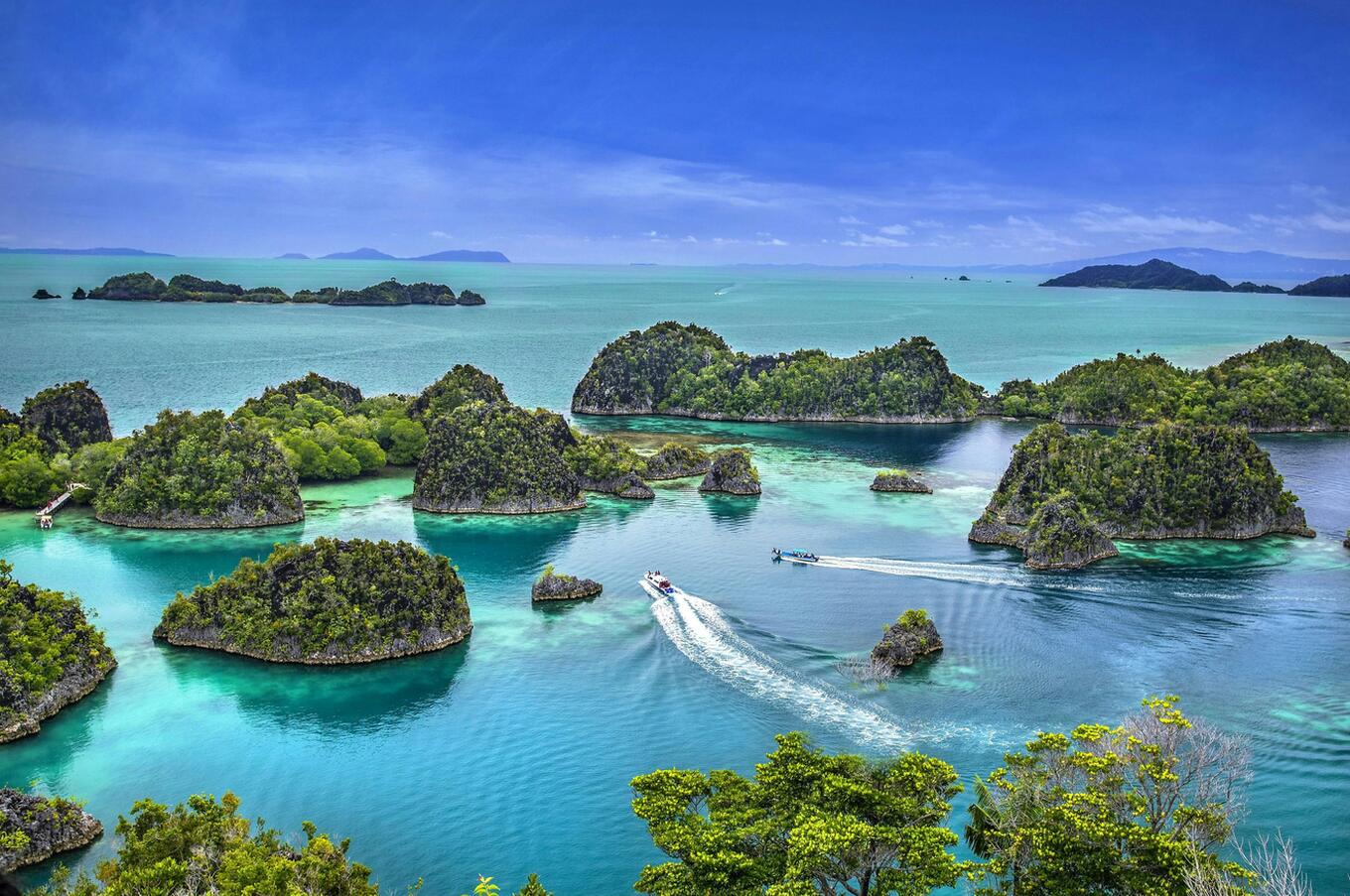
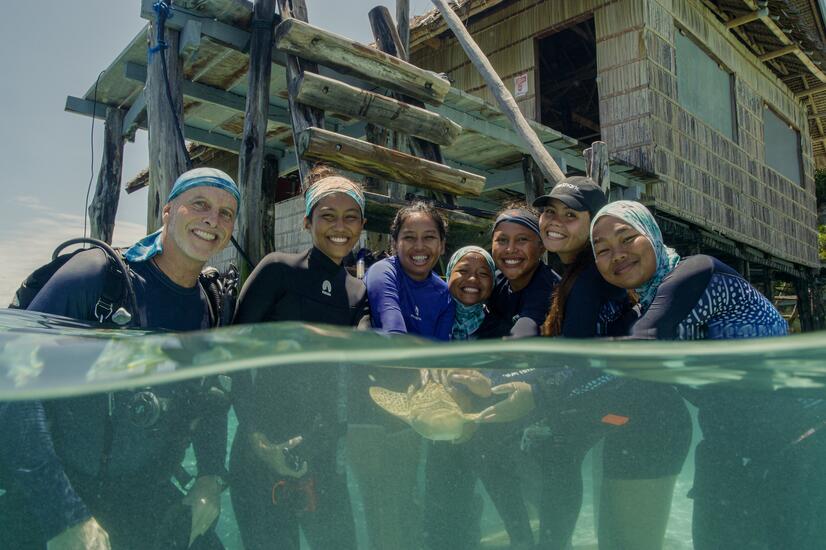
Since 2009, Raja Ampat has been part of a network of protected marine areas covering roughly 46,000 square kilometers. Local communities collaborate on reef-restoration projects and ambitious initiatives such as the reintroduction of the zebra shark, a species that had vanished from the region and is slowly returning to these waters. The initiative, led by Conservation International, the Georgia Aquarium, and the Birch Aquarium in California, aims to release five hundred sharks over the course of a decade. The first were born in captivity, raised until they reached the right size, and released into the waters of Wayag and Misool, two of the archipelago's most pristine areas.
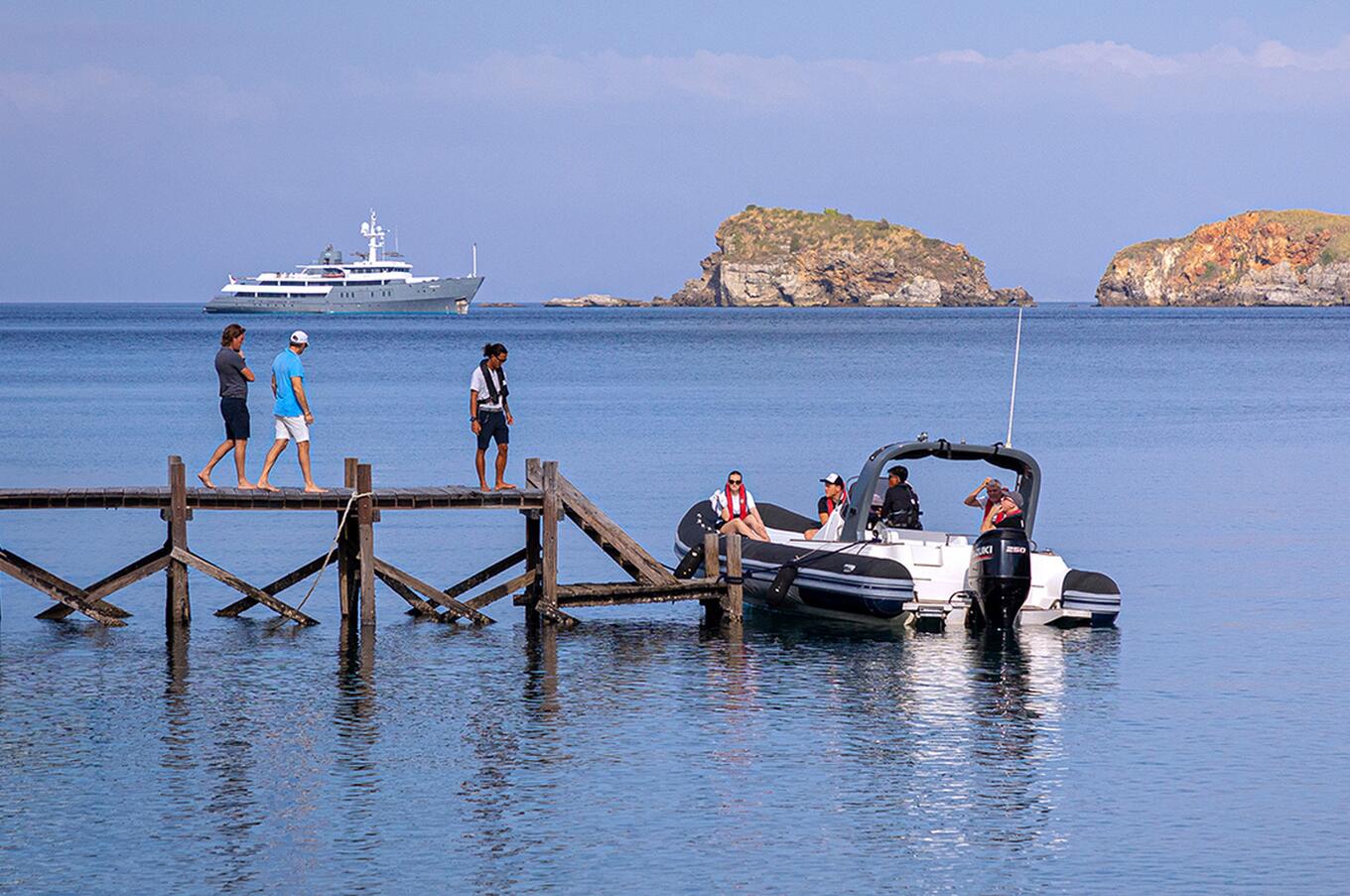
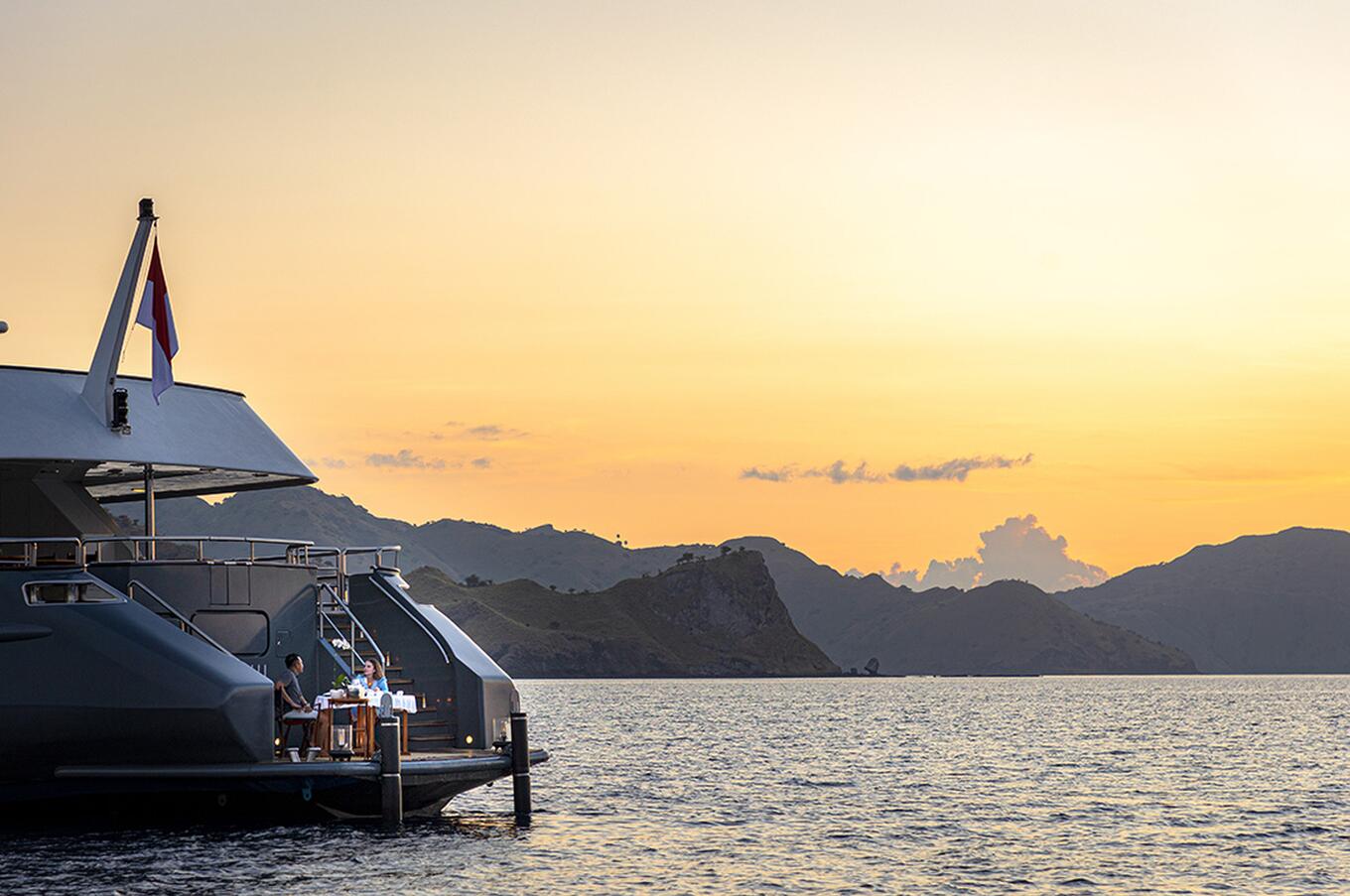
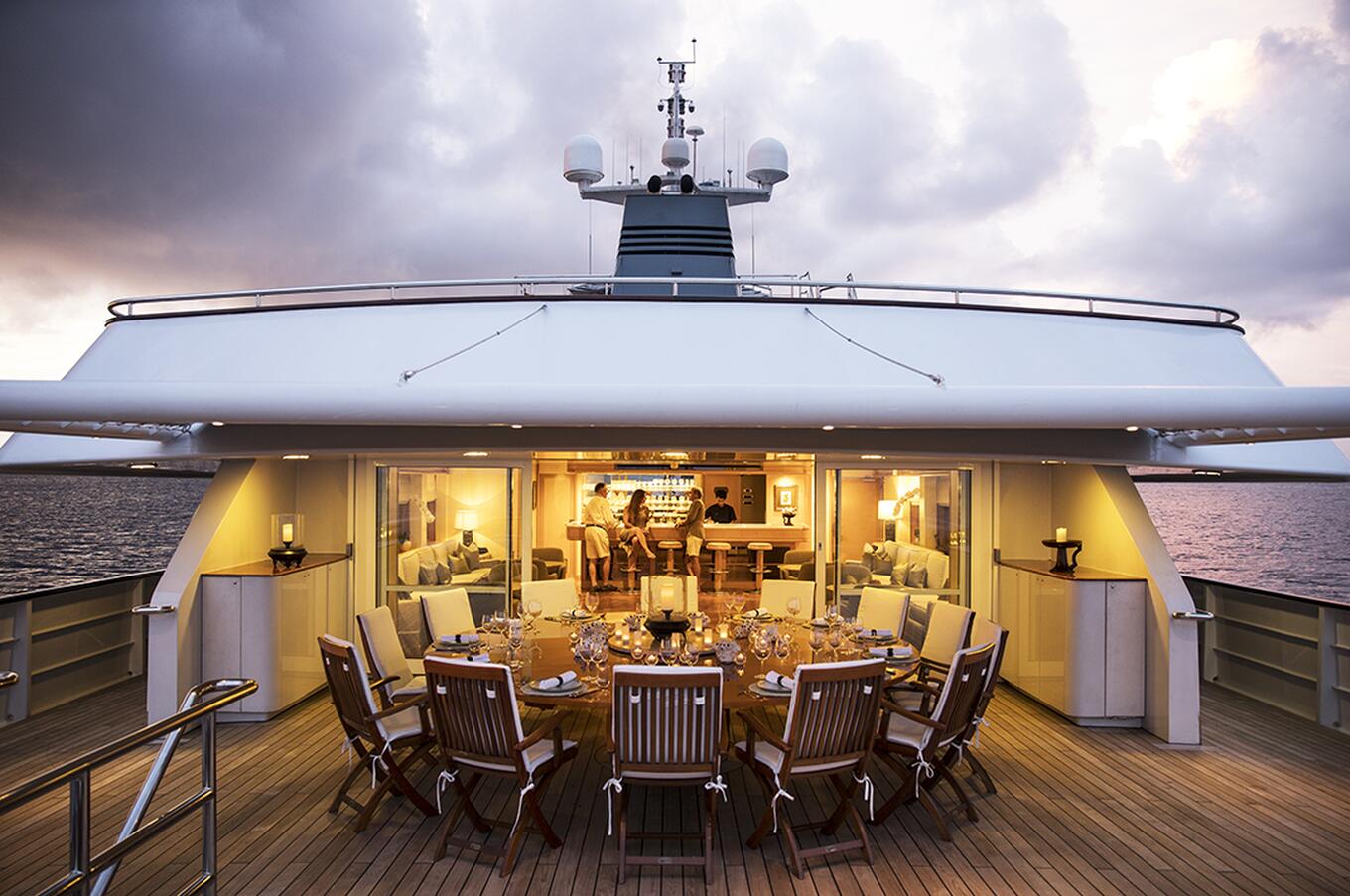
Limited access and isolation have kept Raja Ampat off the beaten path of conventional tourism. Accommodations are simple and built into the landscape, and the best way to explore the archipelago is aboard a small boat that winds through channels and atolls. On deck, the silence mixes with the sound of wind and hornbills flying overhead. At night, the sea glows with bioluminescence that looks like submerged stars.
The Raja Ampat waters Cousteau never knew
The invisible legacy of the man who taught us to look at the sea
He was never there, yet everything he imagined seems to breathe beneath these waters. Jacques-Yves Cousteau never made it to Raja Ampat, but his influence can be felt in every reef of the Coral Triangle, the region of the planet where marine life pulses with an almost primordial intensity. He was the one who taught the world that the ocean wasn't a frontier to conquer, but a mirror in which humanity could see itself. His red cap and calm voice ushered in an era when the sea stopped being a boundary and became a matter of conscience.

Edy Setyawan: a new generation of marine guardians
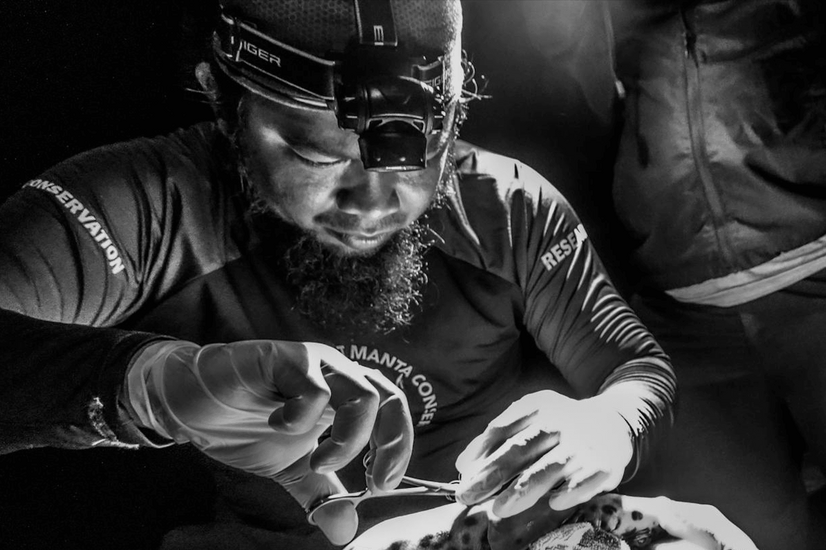
Indonesian marine biologist Edy Setyawan represents a new generation of local scientists committed to protecting Raja Ampat. His research on manta ray migration routes has helped reveal how these animals connect ecosystems across thousands of kilometers.
Setyawan combines science, education, and outreach, championing a simple but powerful idea: "protecting the sea isn't about stopping it — it's about moving with it."
Mark V. Erdmann: guardian of the Coral Triangle
Ichthyologist and marine ecologist Mark V. Erdmann has spent more than two decades diving Indonesia's reefs. He has described over 160 new fish species and worked with Conservation International to help establish the protected marine areas of Raja Ampat and West Papua.
His work has helped build a conservation model in which local communities play an active role in protecting their own environment. As Erdmann puts it, "beauty is only preserved when it's shared with respect."
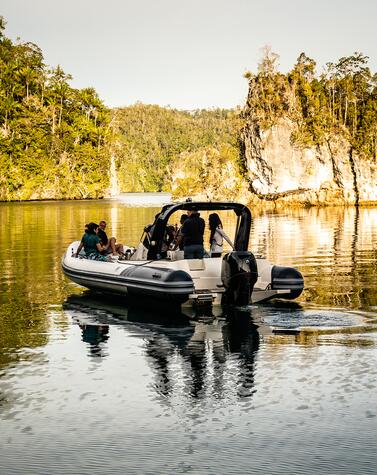
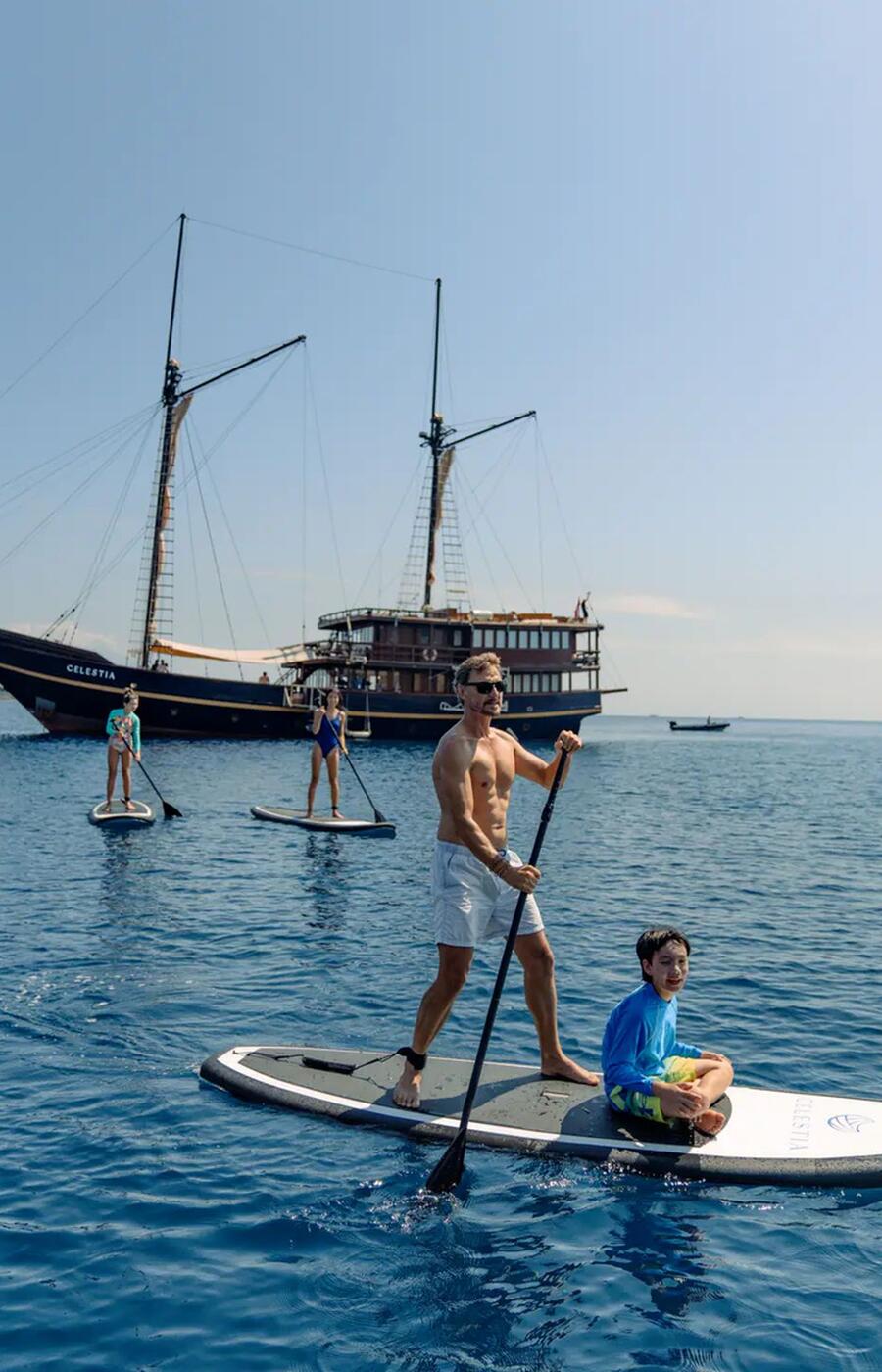
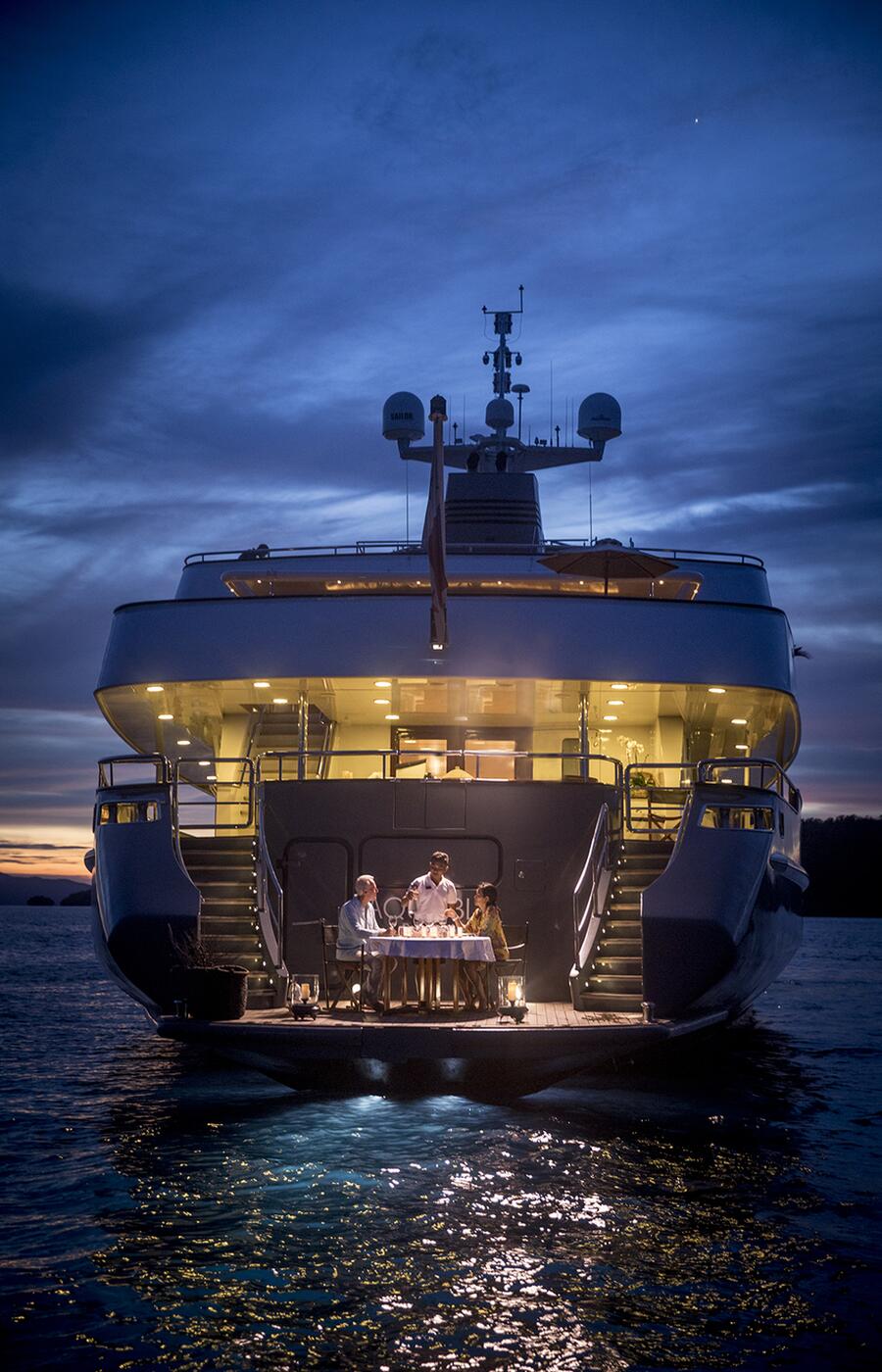
Beyond diving, West Papua reveals a unique cultural and natural mosaic. Along the south coast, the Asmat people carry on an artistic tradition of striking symbolic power: wood carvings and sculptures, and rituals that speak to the relationship between people, rivers, and spirits. Everything in this part of the world seems to insist that humans aren't at the center of the landscape but rather part of it. The Asmat carve mangrove wood with ritual precision, each strike of the chisel accompanied by chants invoking the spirits of the forest. For centuries, this tradition was misunderstood by the outside world; today, it's recognized as one of the most sophisticated cultural expressions in Oceania.
Raja Ampat offers a different kind of luxury. Its true wealth lies in the distance that protects it, the purity of its waters, and the certainty that some places still play by nature's rules alone. Traveling here is a way of reconnecting with the essentials: silence, slowness, and a life that existed long before humankind.